Coastal Architectures: False Bay Inquiries into Repair is a collaborative research and teaching project situated within the wider Repairative Architectures platform. It takes False Bay as an area of inquiry through which to examine how repair is understood, practised, negotiated, and contested within South Africa’s coastal landscapes.
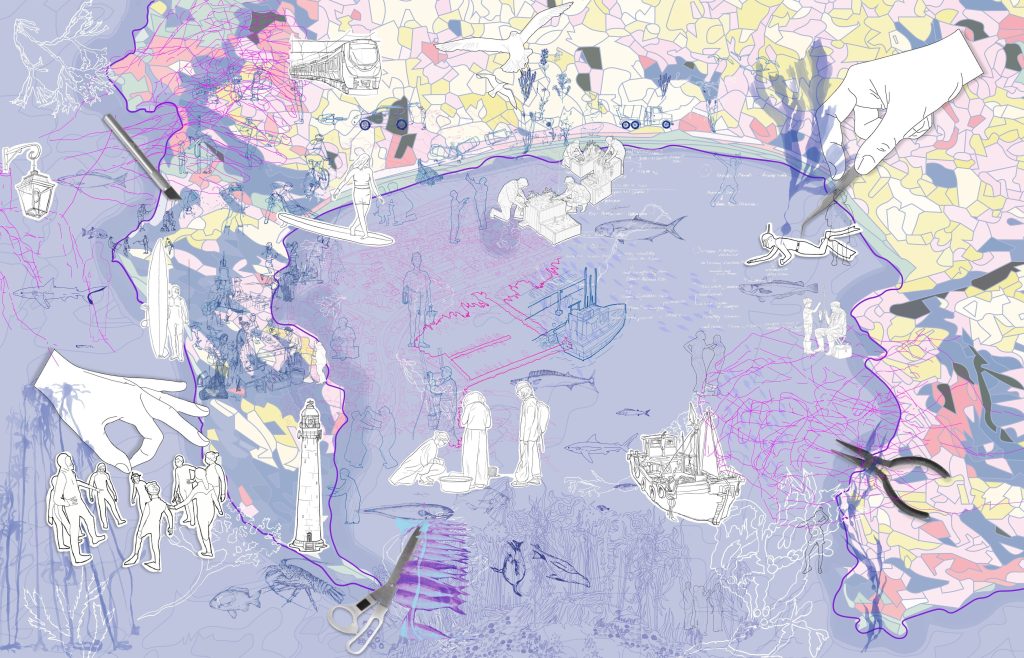
Working with students, researchers, residents, organisations, practitioners, and other collaborators, the project brings together a series of situated investigations across the bay. These inquiries consider the relationships between coastal ecologies, public infrastructure, histories of dispossession, cultural practices, labour, recreation, access, maintenance, and everyday forms of care.
The project does not assume that repair is always possible, desirable, or neutral. Instead, it asks what repair means in different coastal contexts, who participates in it, whose interests it serves, and what forms of architectural practice might emerge through sustained attention to the coast.
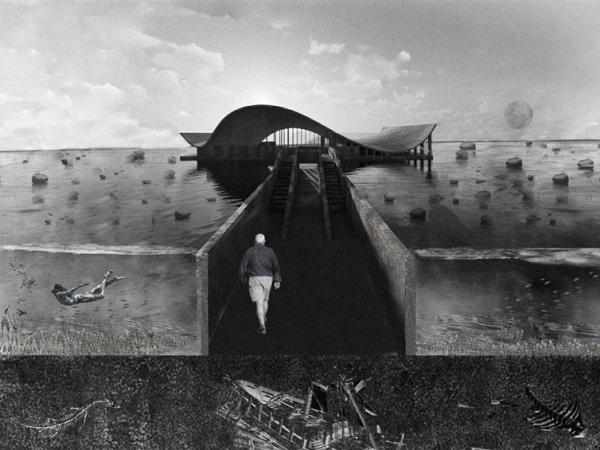
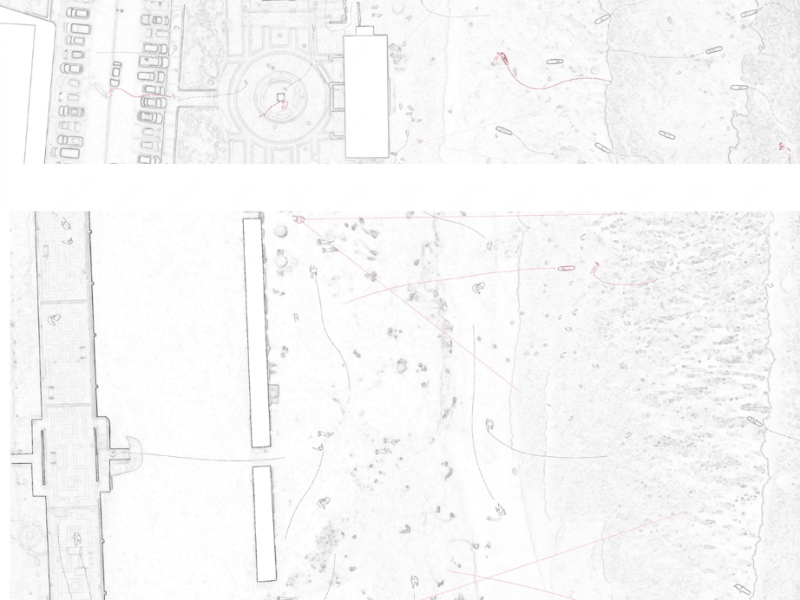
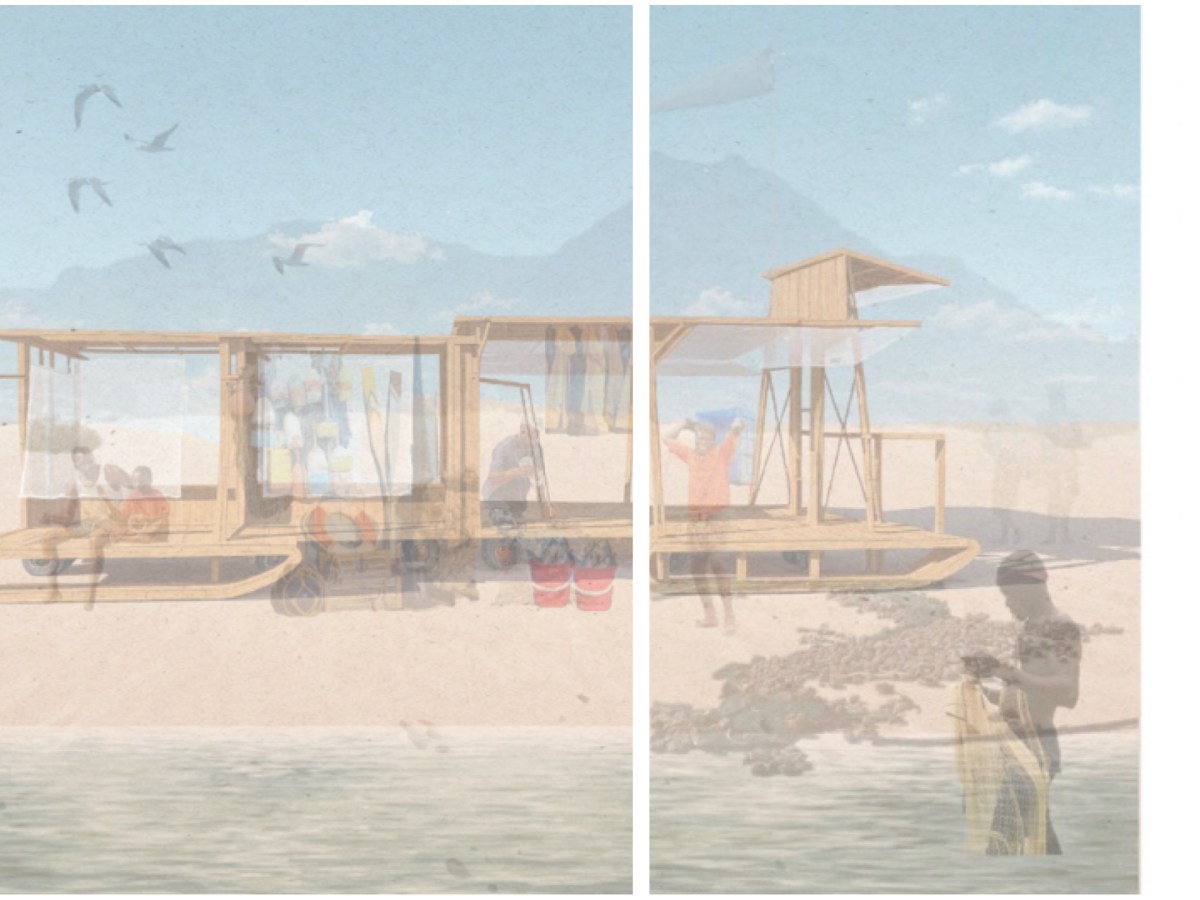
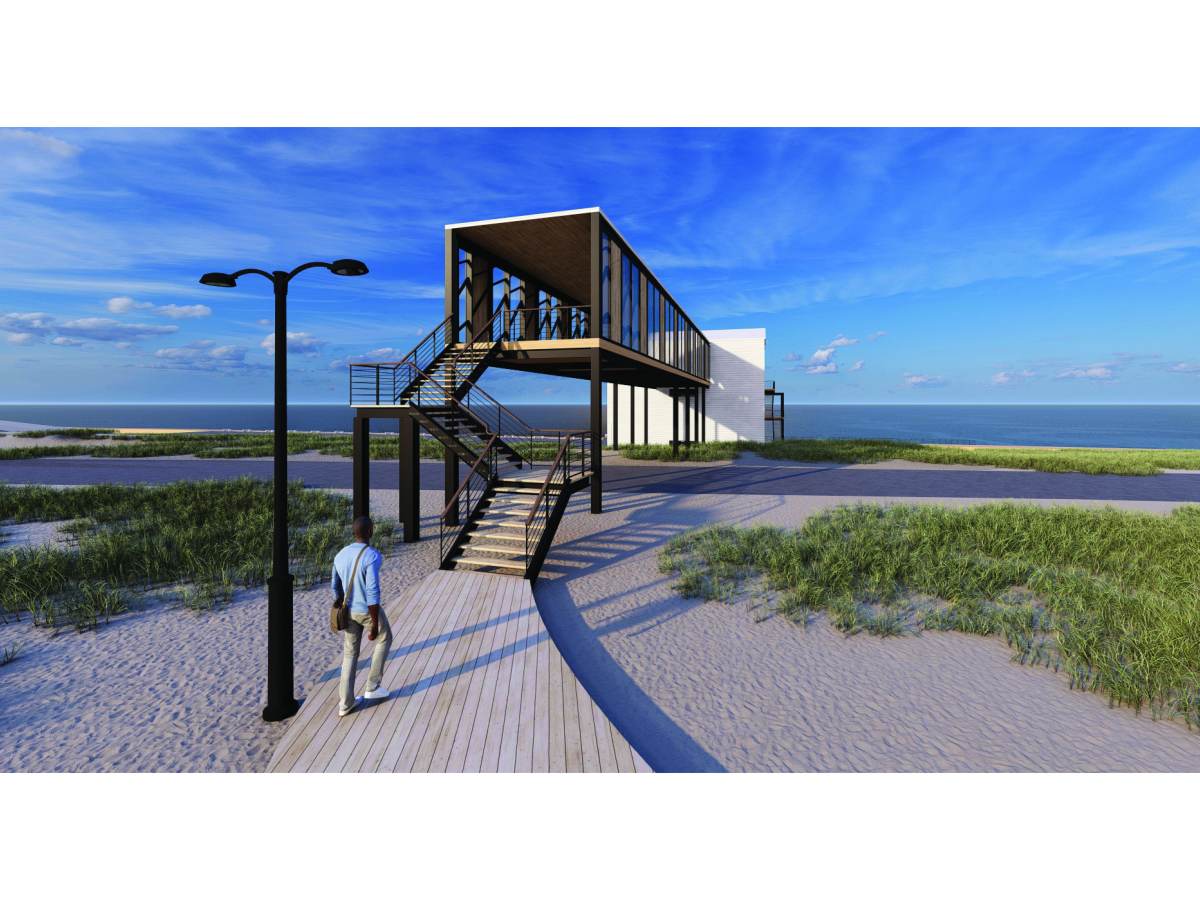
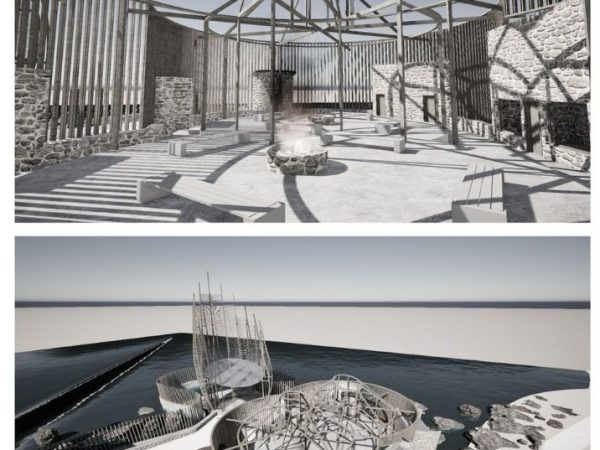
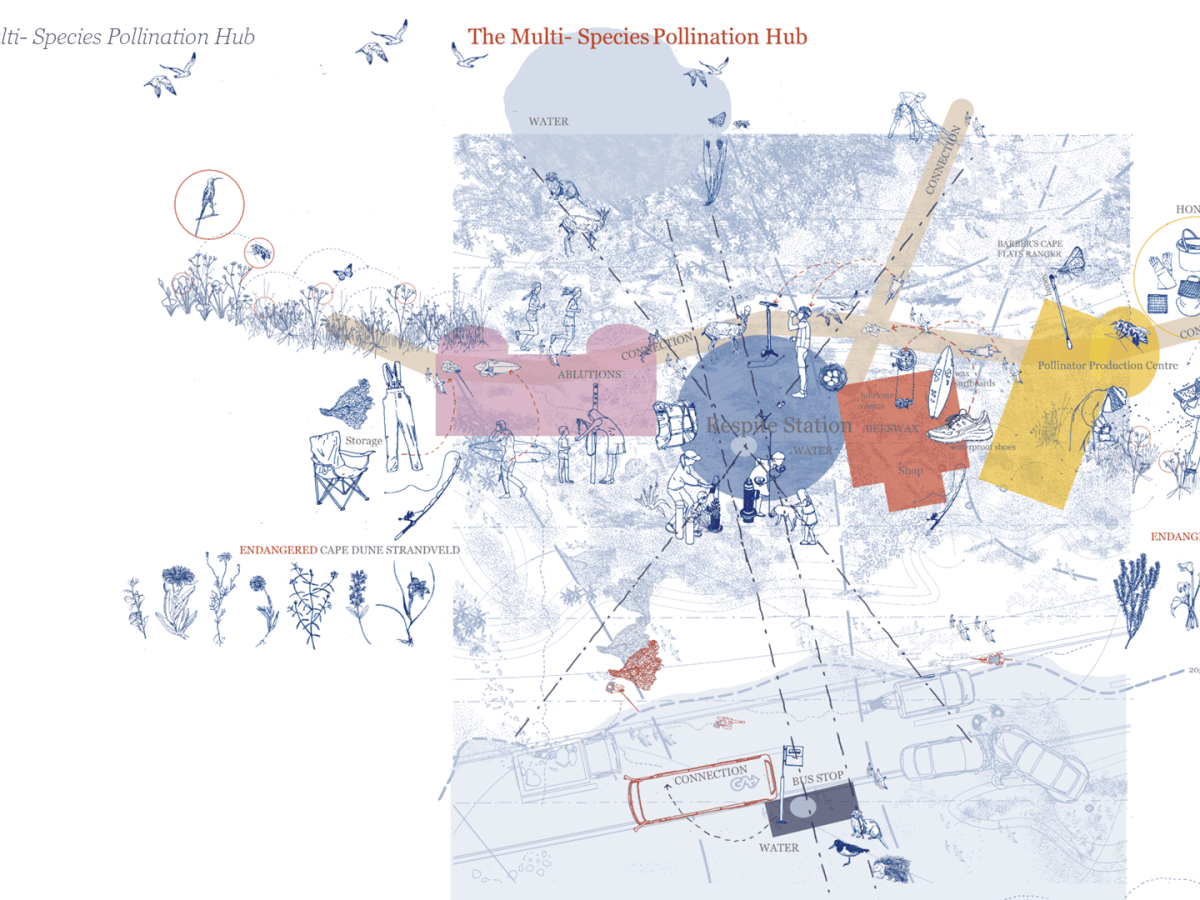
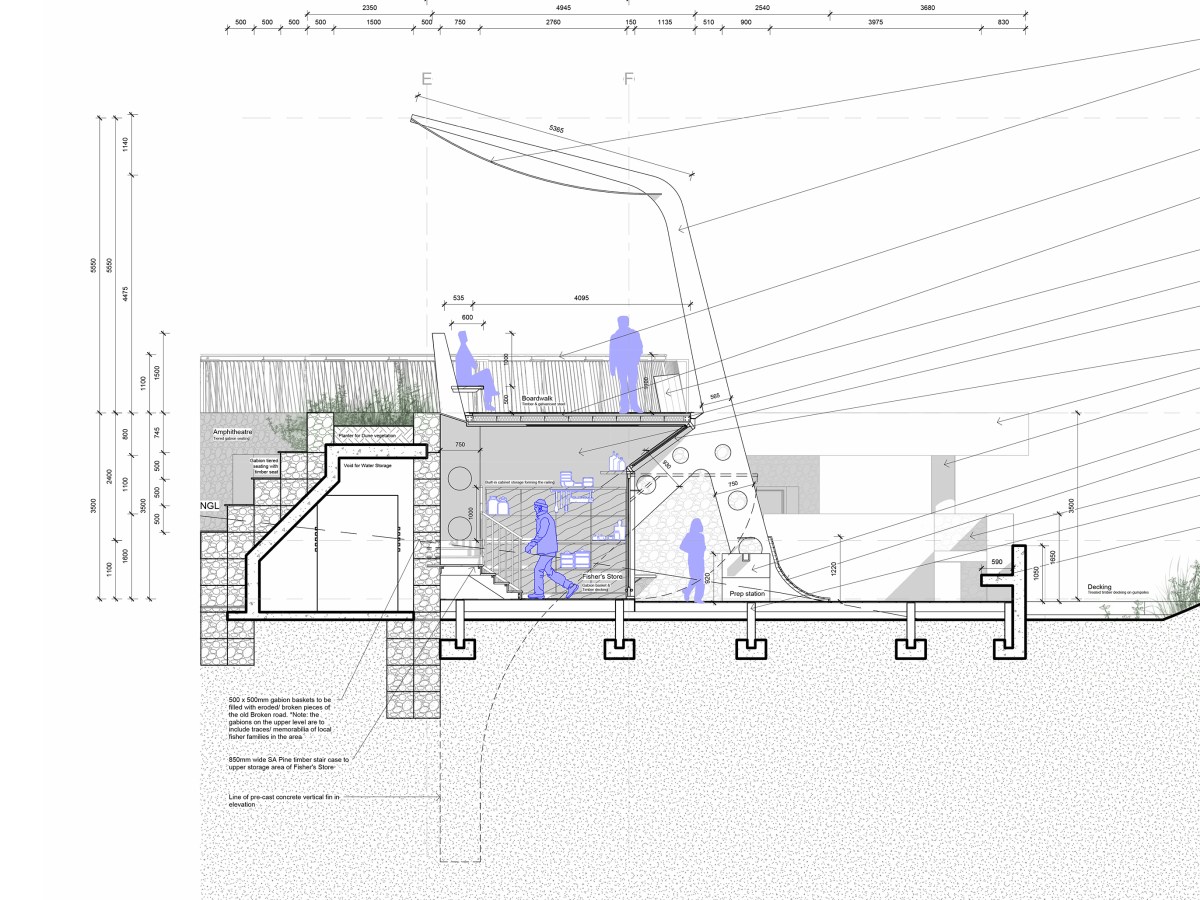
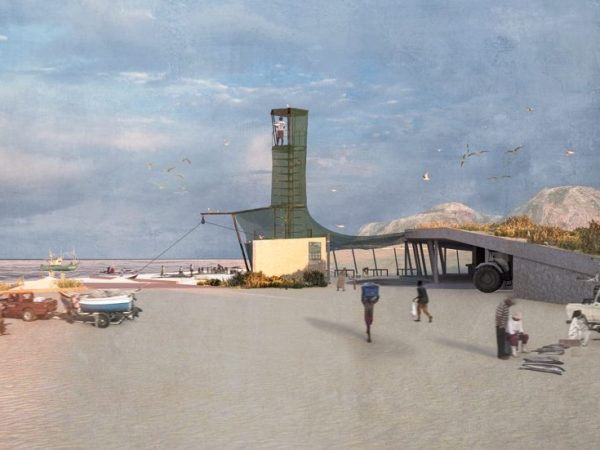
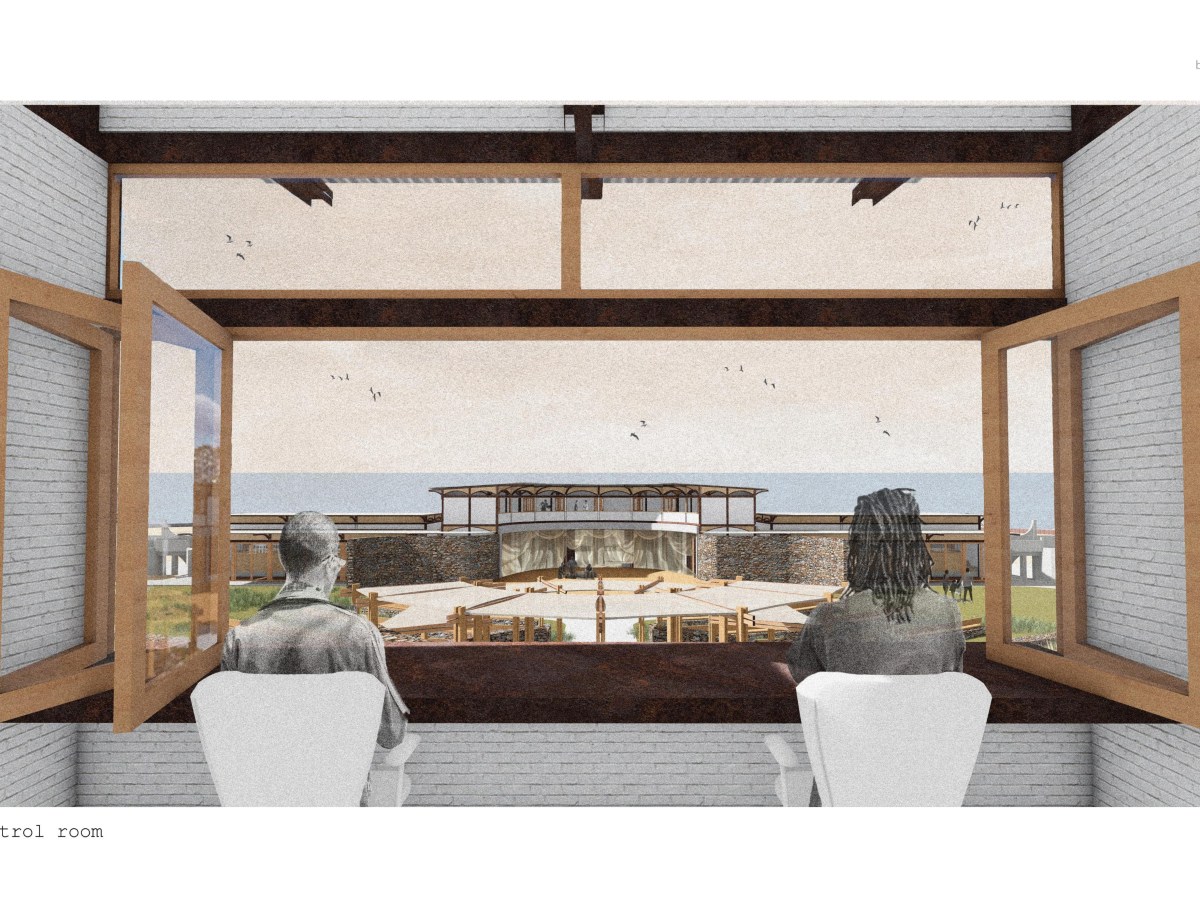
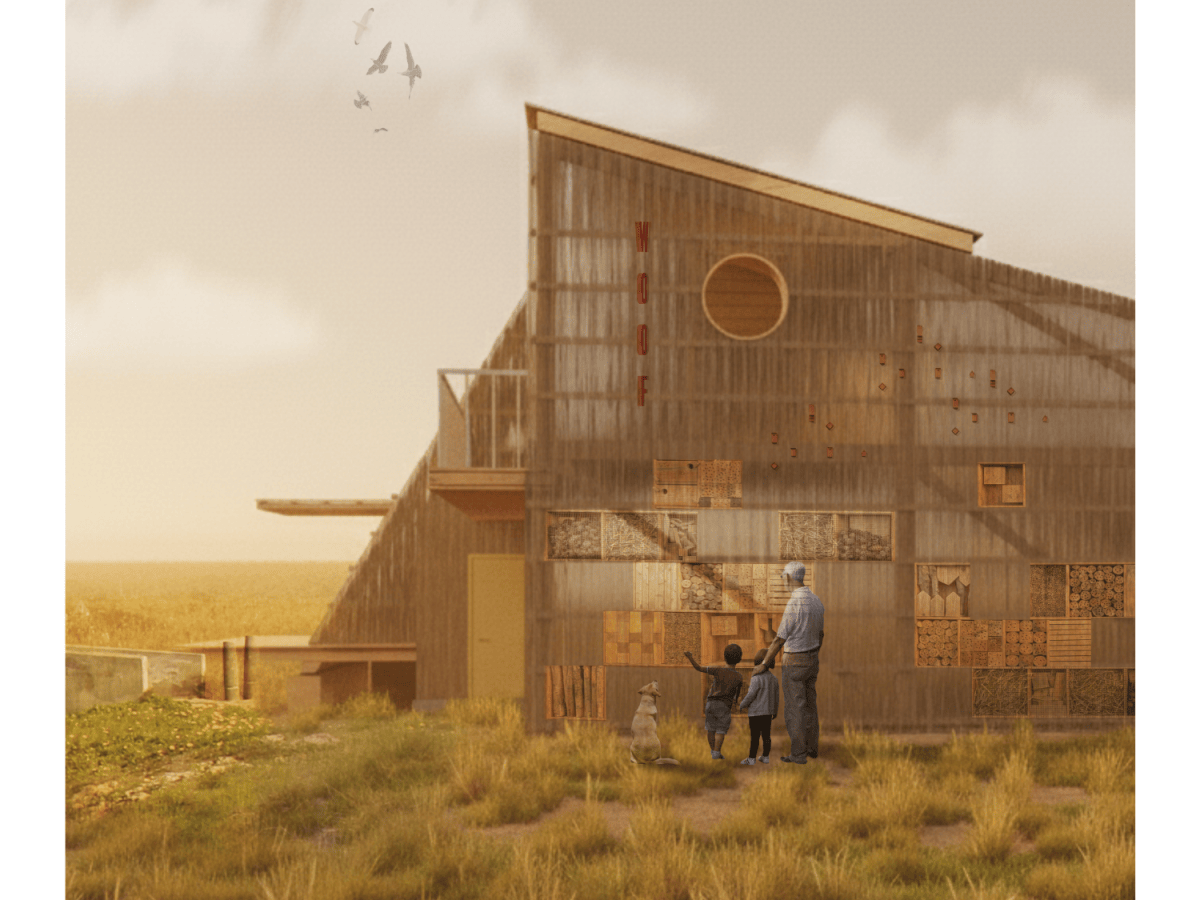
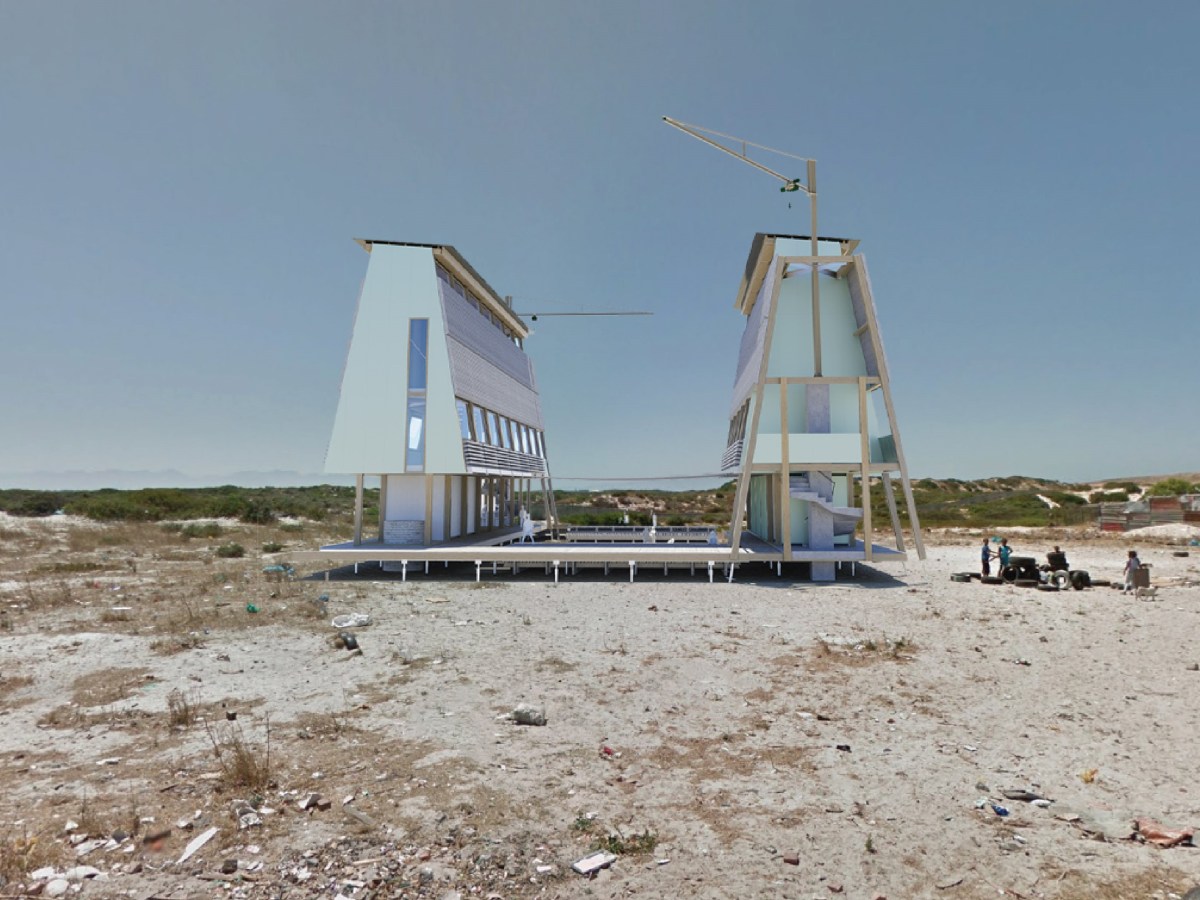
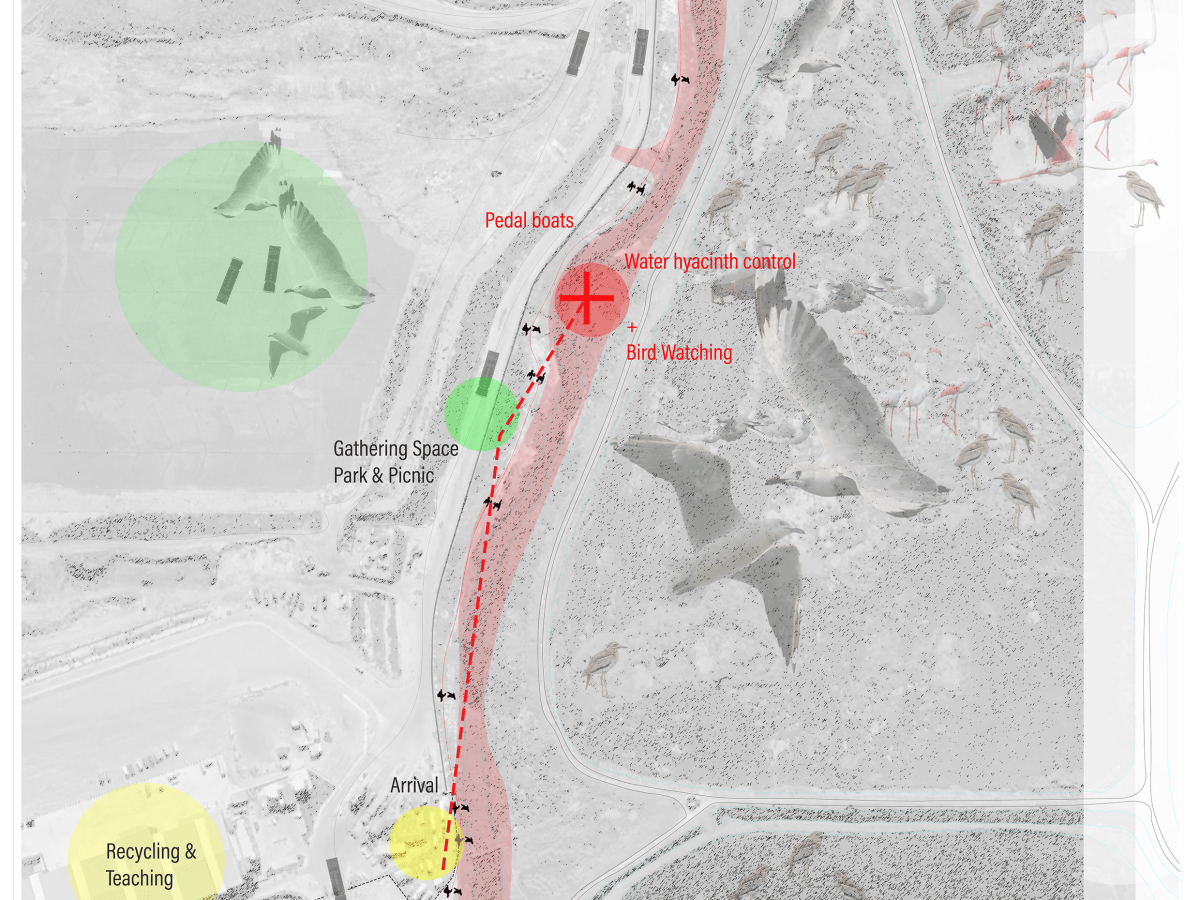
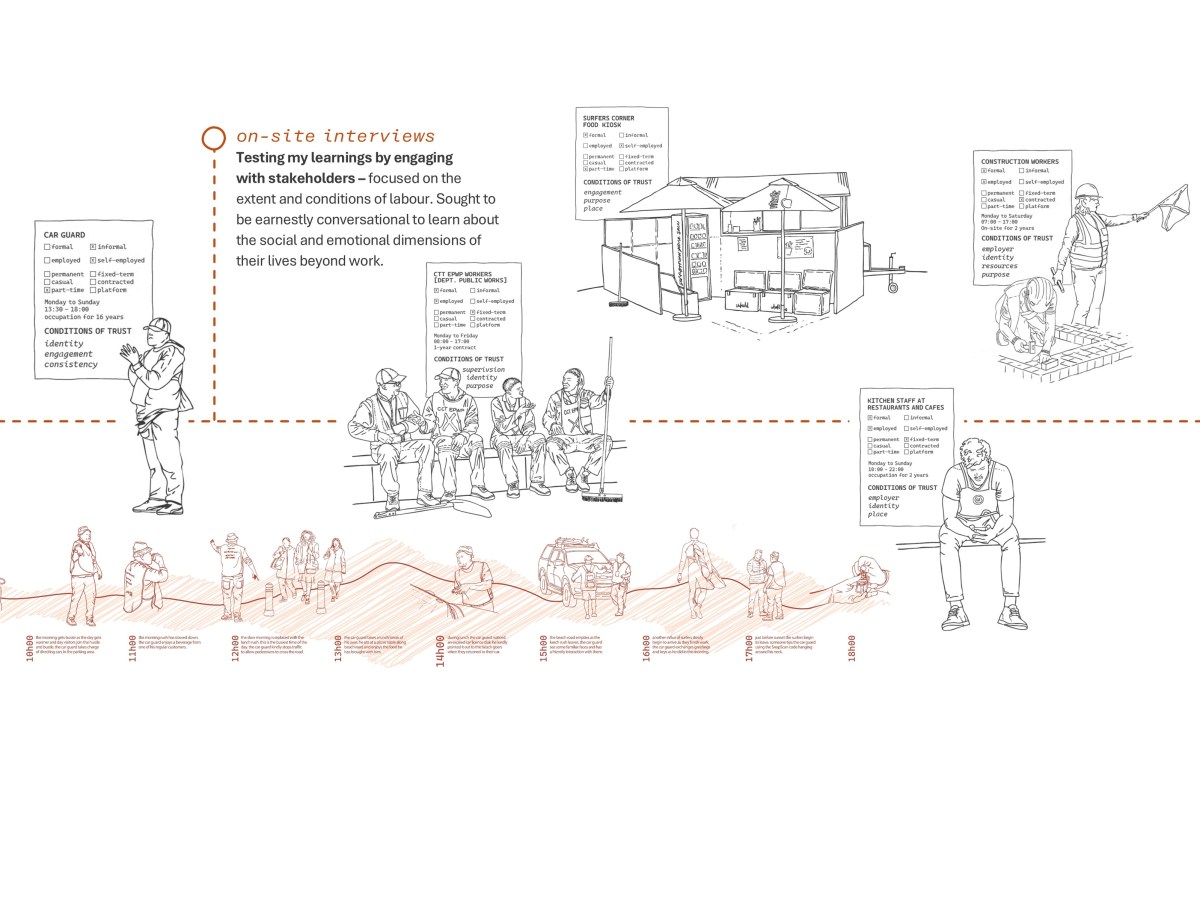
Through fieldwork, mapping, observation, archival research, collaborative engagement, material experimentation, and design inquiry, the project develops a shared body of knowledge about False Bay. Student and collaborator contributions may include coastal atlases, spatial documentation, interviews, repair manuals, prototypes, public programmes, and architectural propositions. False Bay is understood not as a single bounded site, but as an interconnected and uneven coastal territory. Beaches, dunes, tidal pools, wetlands, fishing grounds, roads, buildings, public facilities, and residential areas form part of a wider social and ecological system shaped by climate instability, infrastructural pressure, spatial inequality, and competing forms of use.
 repairative architectures