How can design repair the cultural, spiritual, and spatial erasures produced by apartheid — while creating safe, meaningful ways of being with the ocean today?
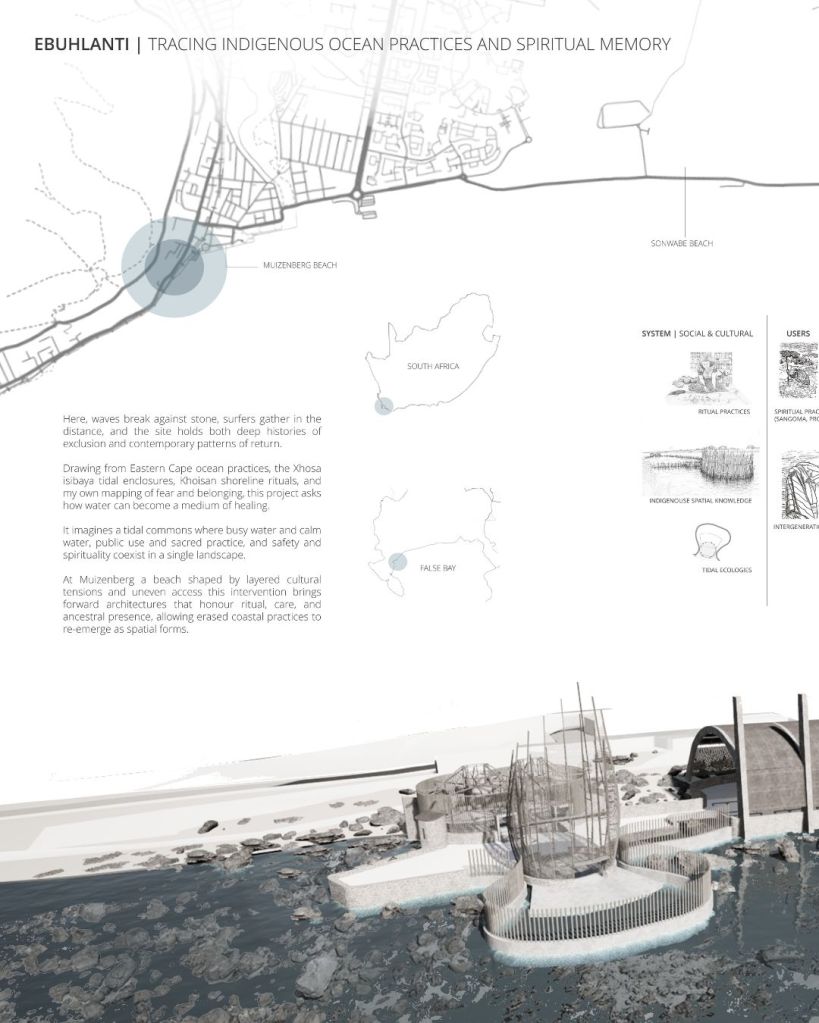
Ebuhlanti | Gestures of Return explores how Indigenous ocean practices and spiritual memory can reshape contemporary coastal architecture in Muizenberg.
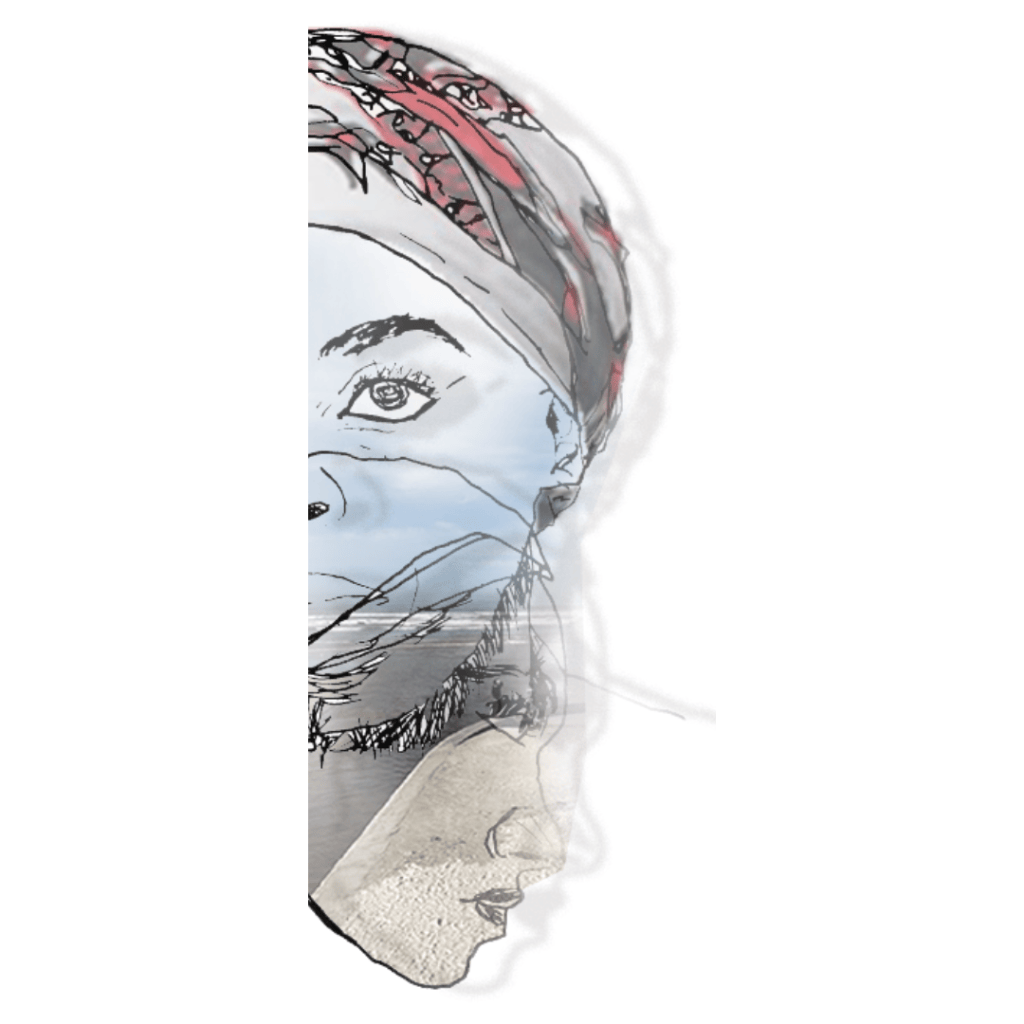
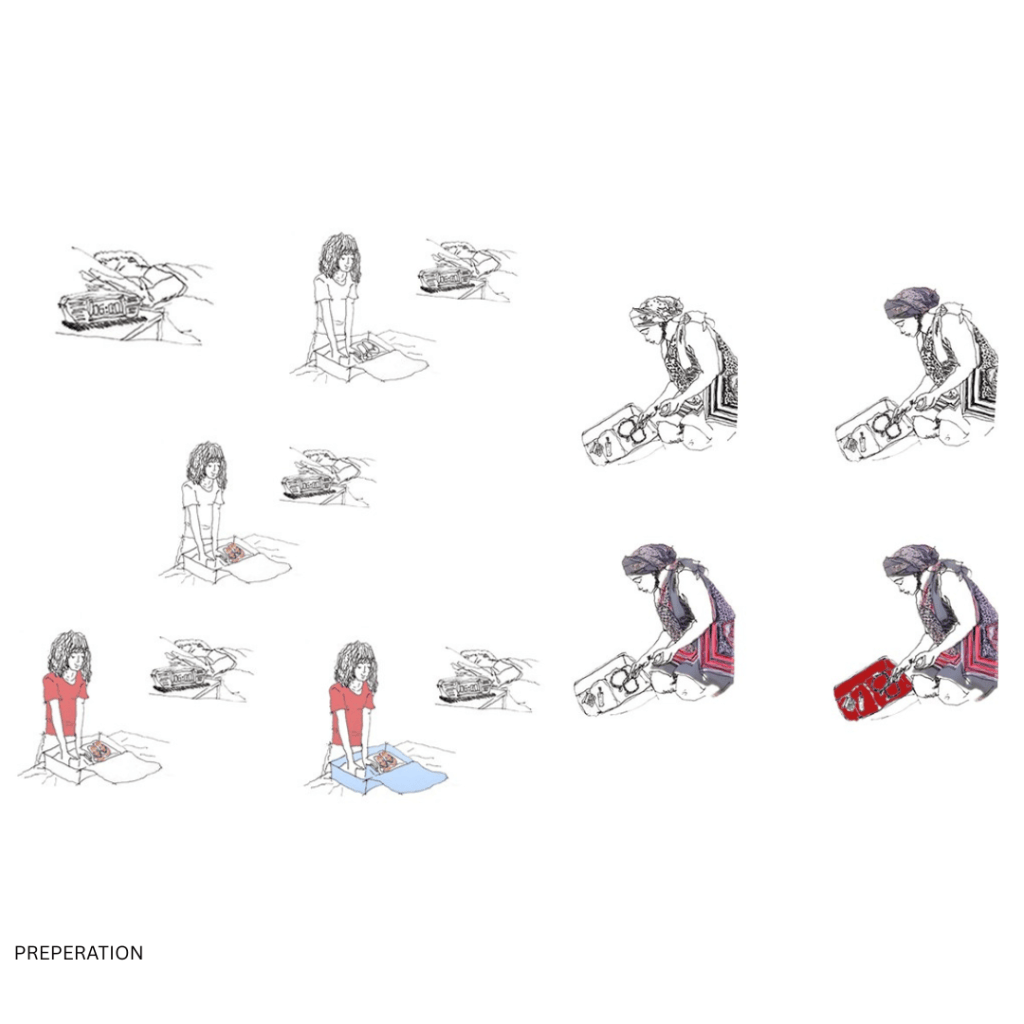
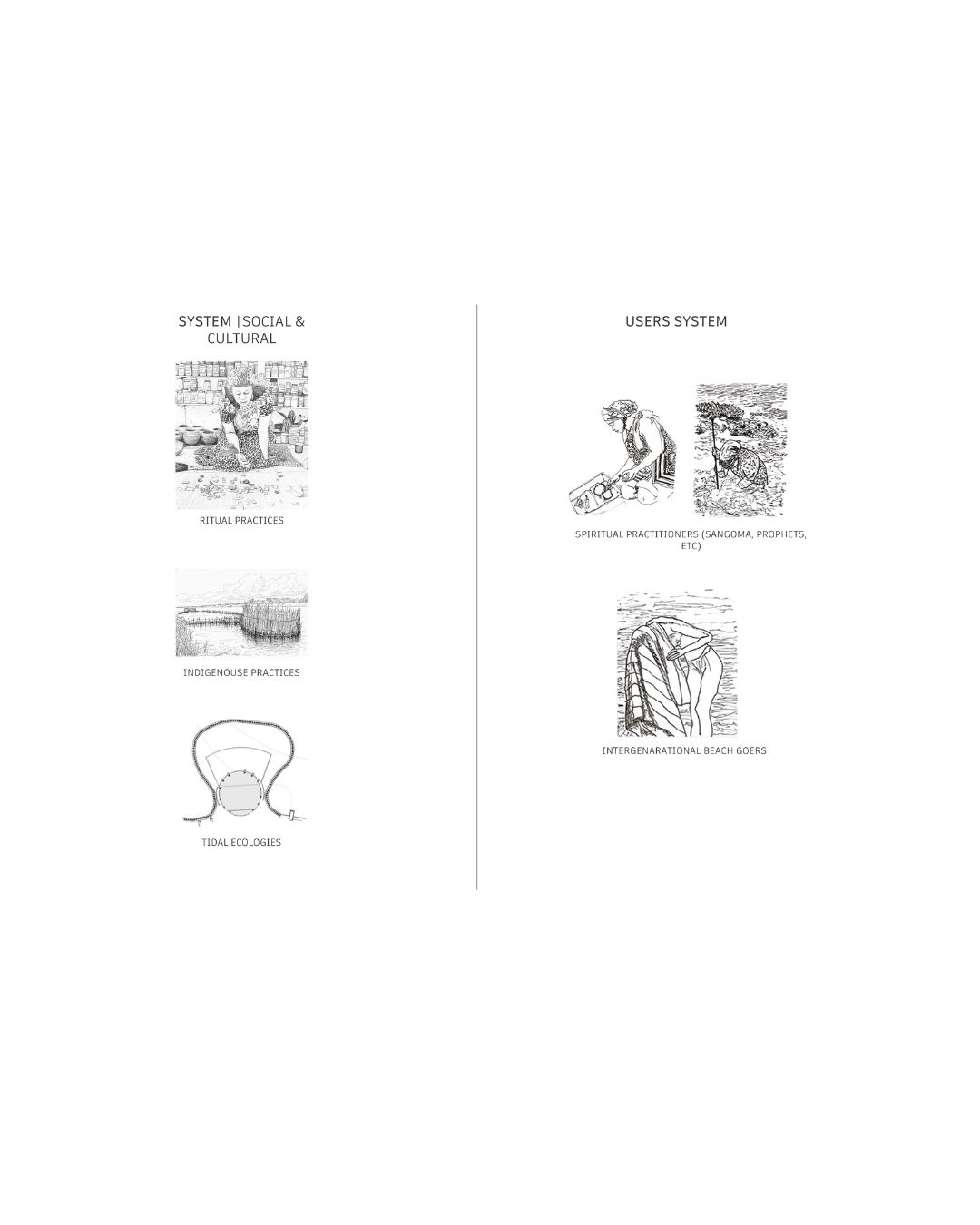
The project draws on Eastern Cape and KhoiSan coastal traditions — particularly isibaya tidal practices, cleansing rituals, and forms of ancestral communication held at the shoreline. It begins with something personal: my aunt’s ocean practice. From there, the work expands outward into Indigenous precedents, translating these into layered spatial drawings that weave together tide, culture, and movement.
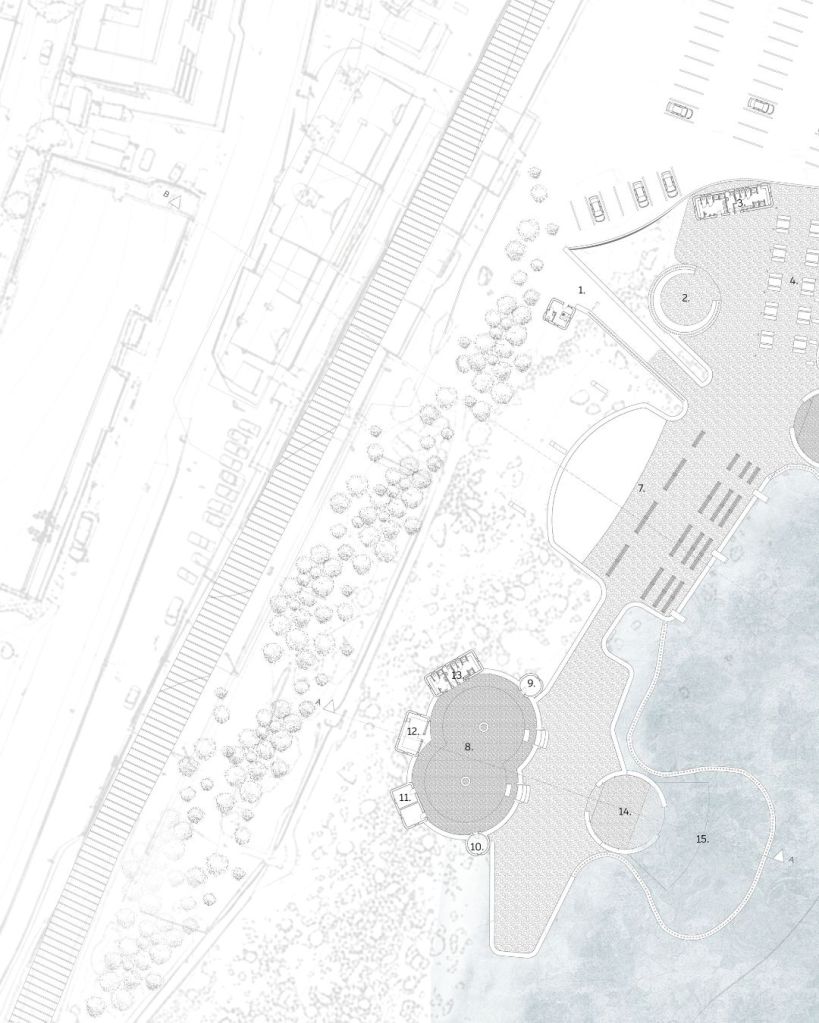
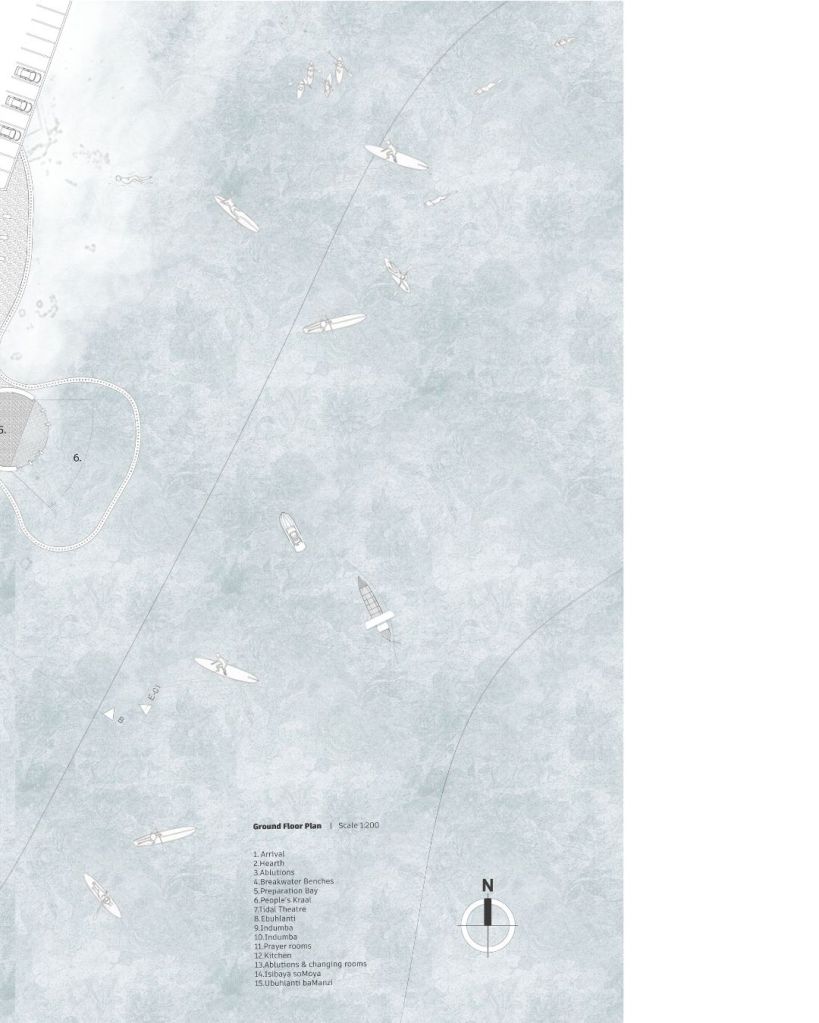
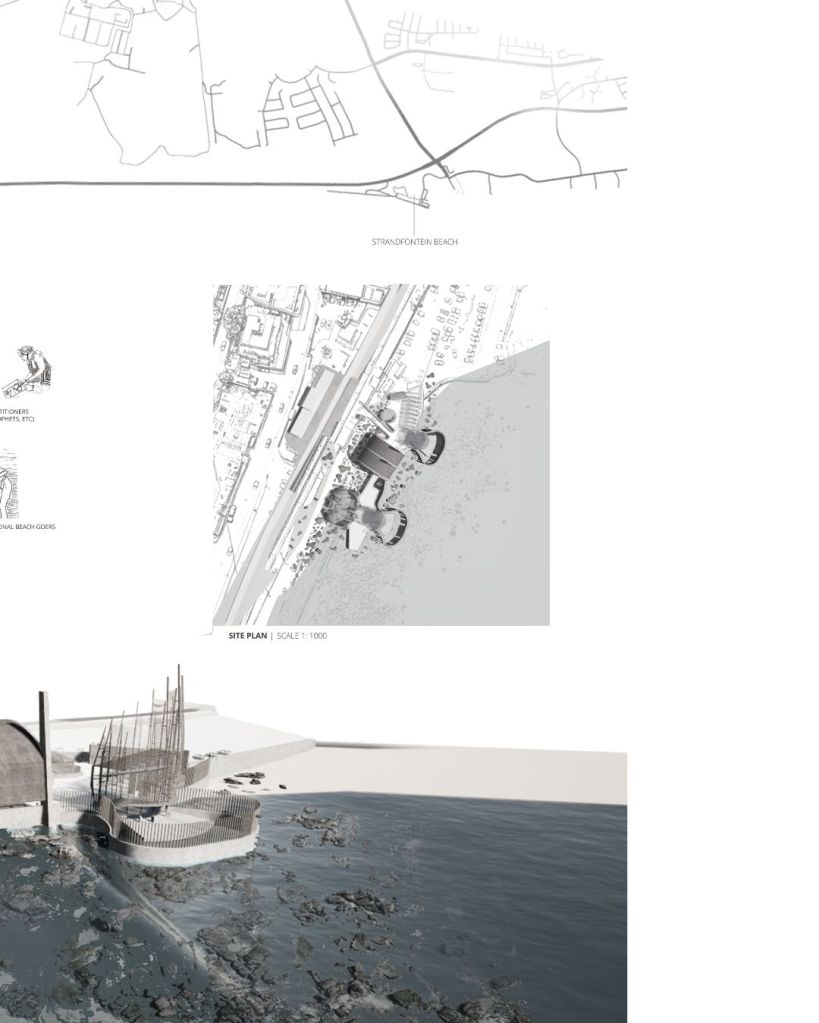
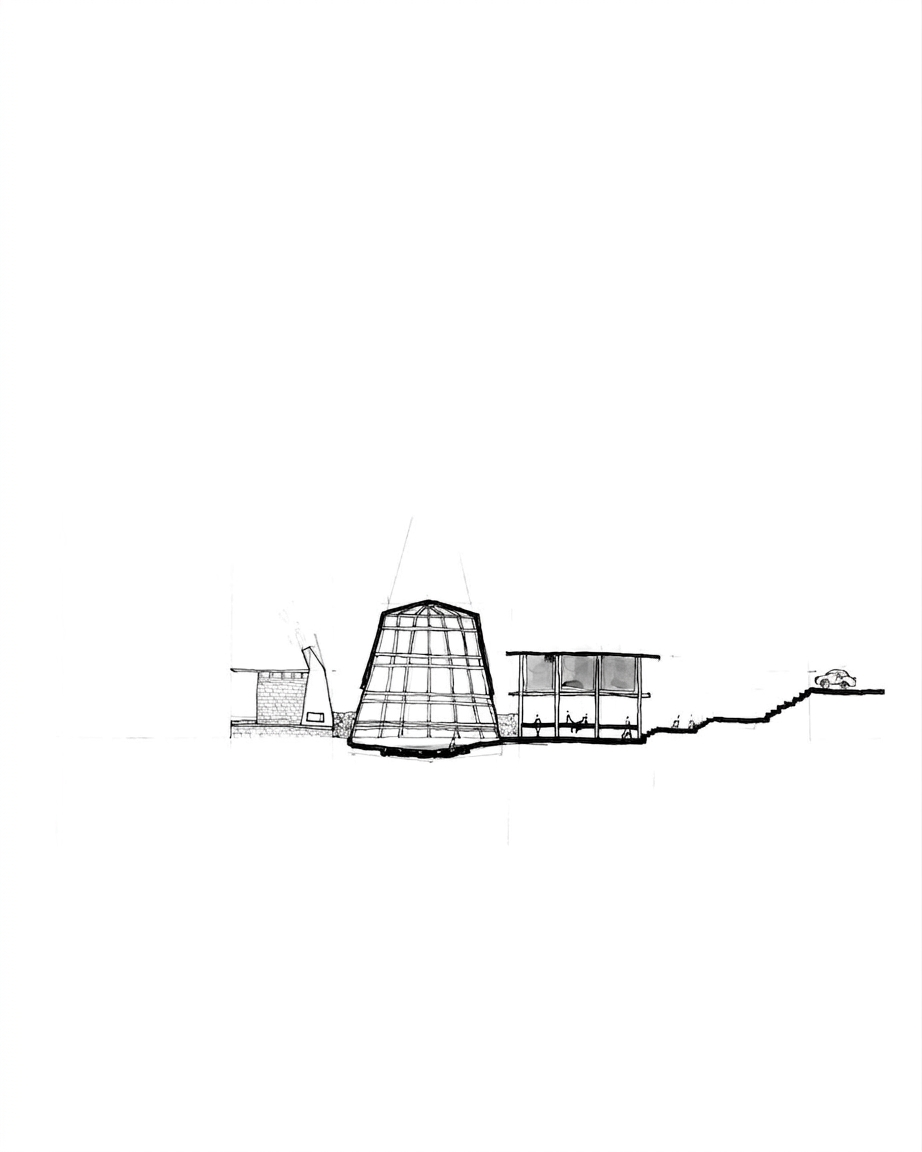
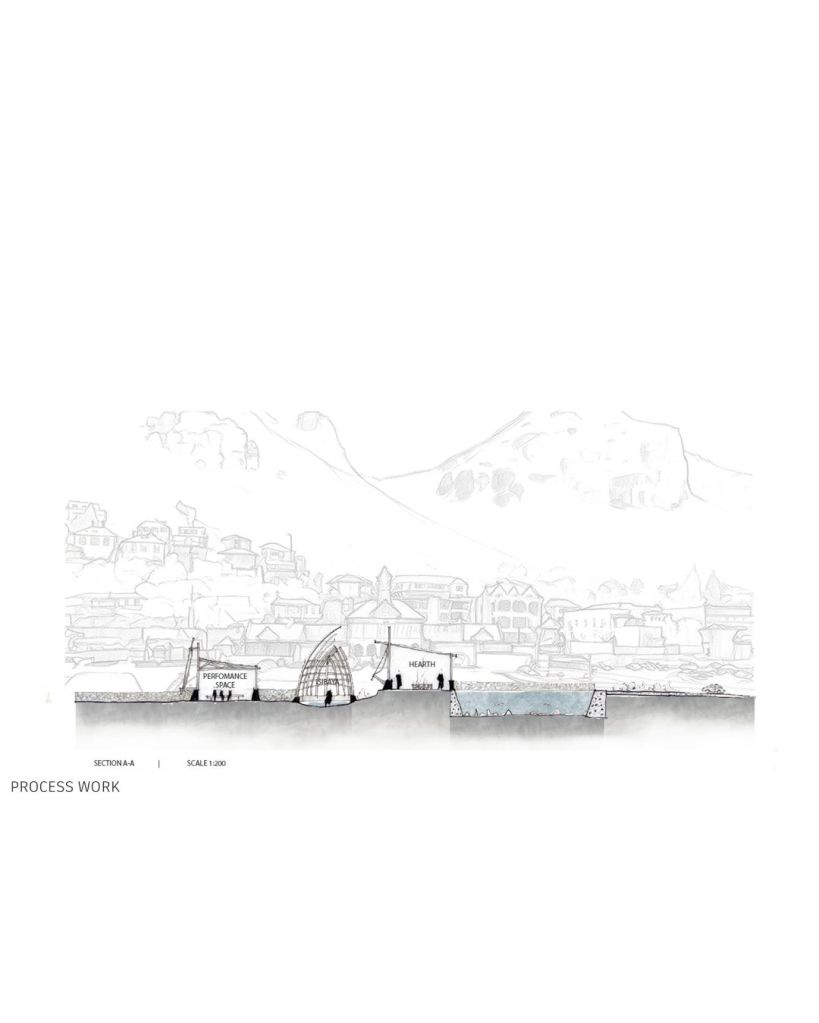
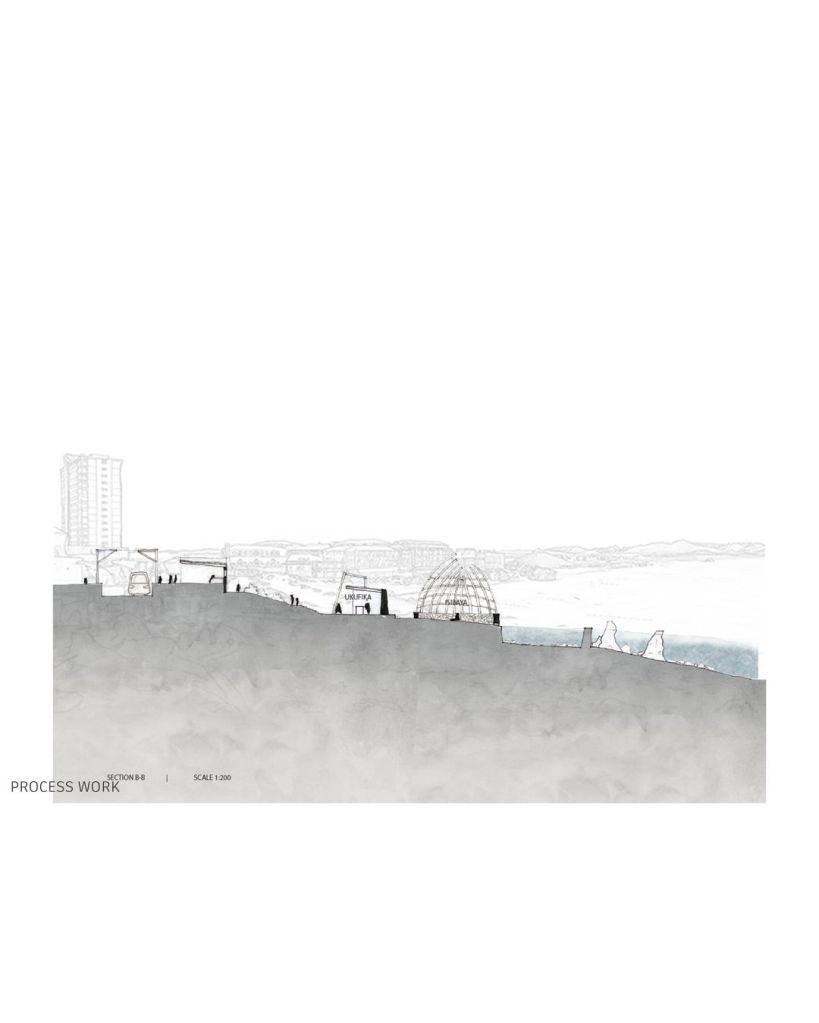
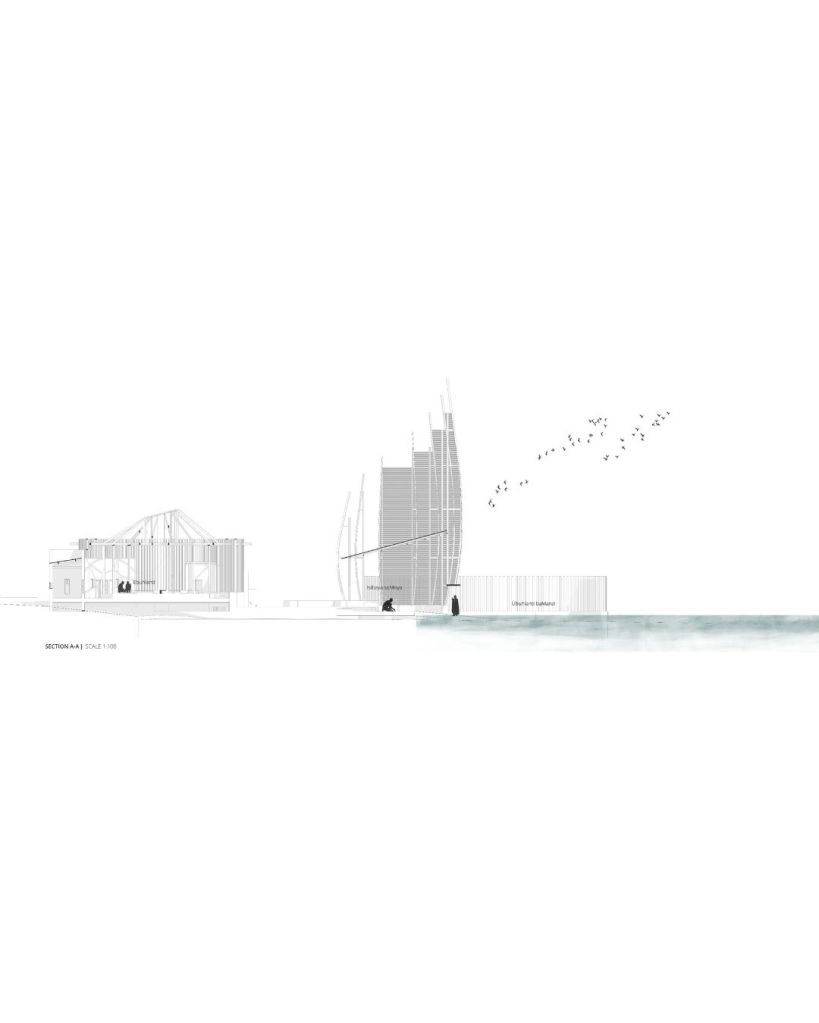
The central proposition is a tidal commons, held across three registers:
- a public tidal kraal
- a semi-public gathering and learning arena
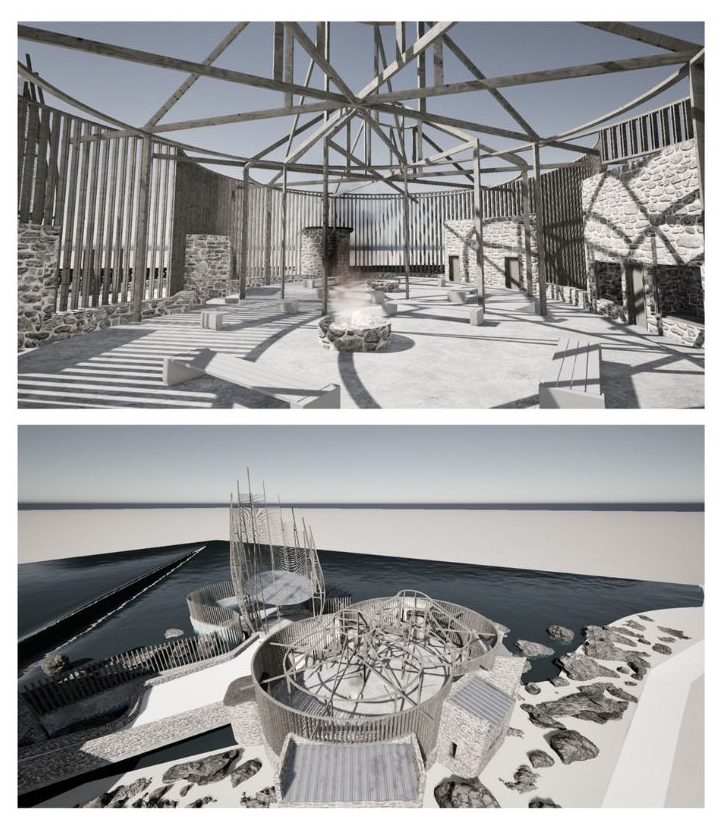
- Ubuhlanti — a private, sacred pool for cleansing and consultation
Curved stone walls, reed structures, and tidal openings allow seawater to enter and recede through the site, reanimating Indigenous spatial logics in contemporary form rather than merely referencing them.
Repair, here, is not symbolic. It is cultural restoration. It is spiritual continuity. It is maintenance carried out through tide, time, and return.
Grounded in Indigenous knowledge, spiritual ecologies, and the lived realities of people of colour along South Africa’s coast, the project proposes a Southern urbanism shaped by memory, ritual, and belonging — architecture as return, as tide, as presence restored.
 repairative architectures