What would it mean to design with the same spirit of repair that already exists within a community?
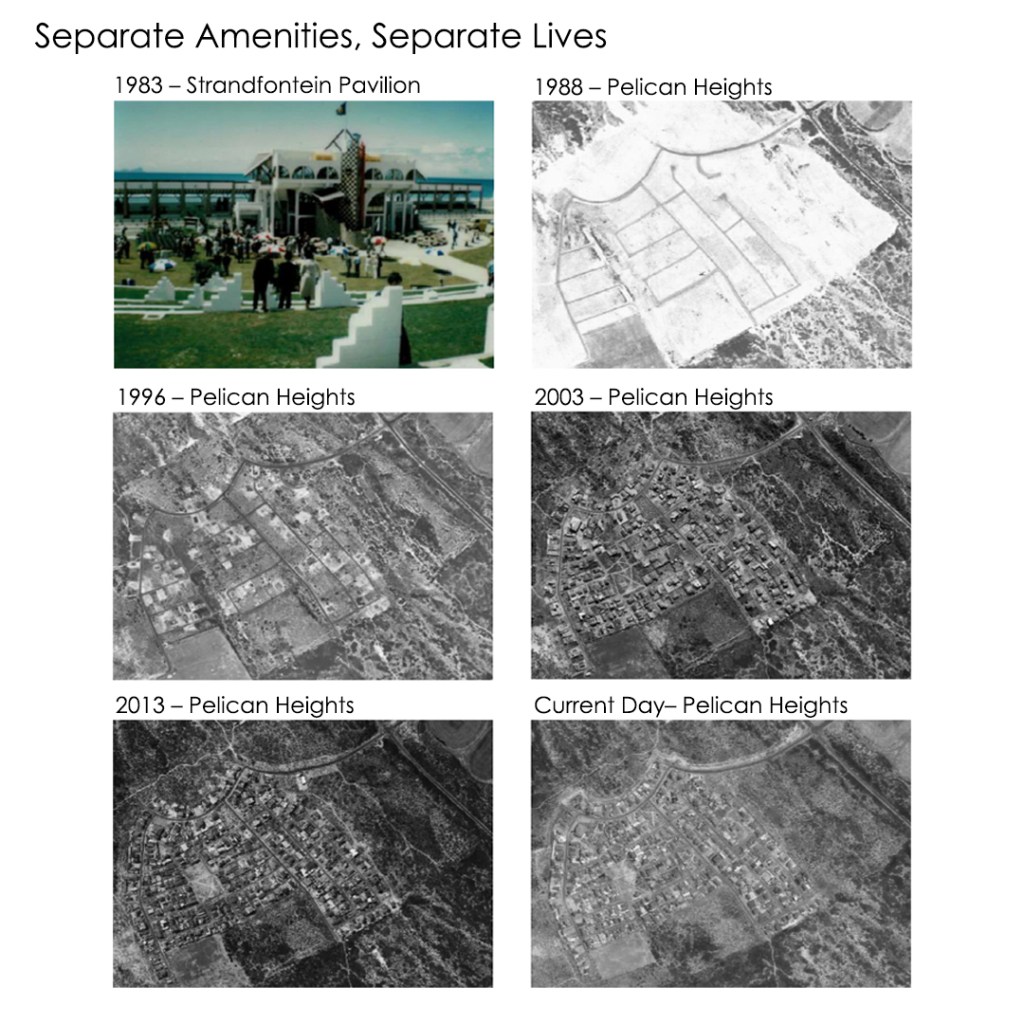
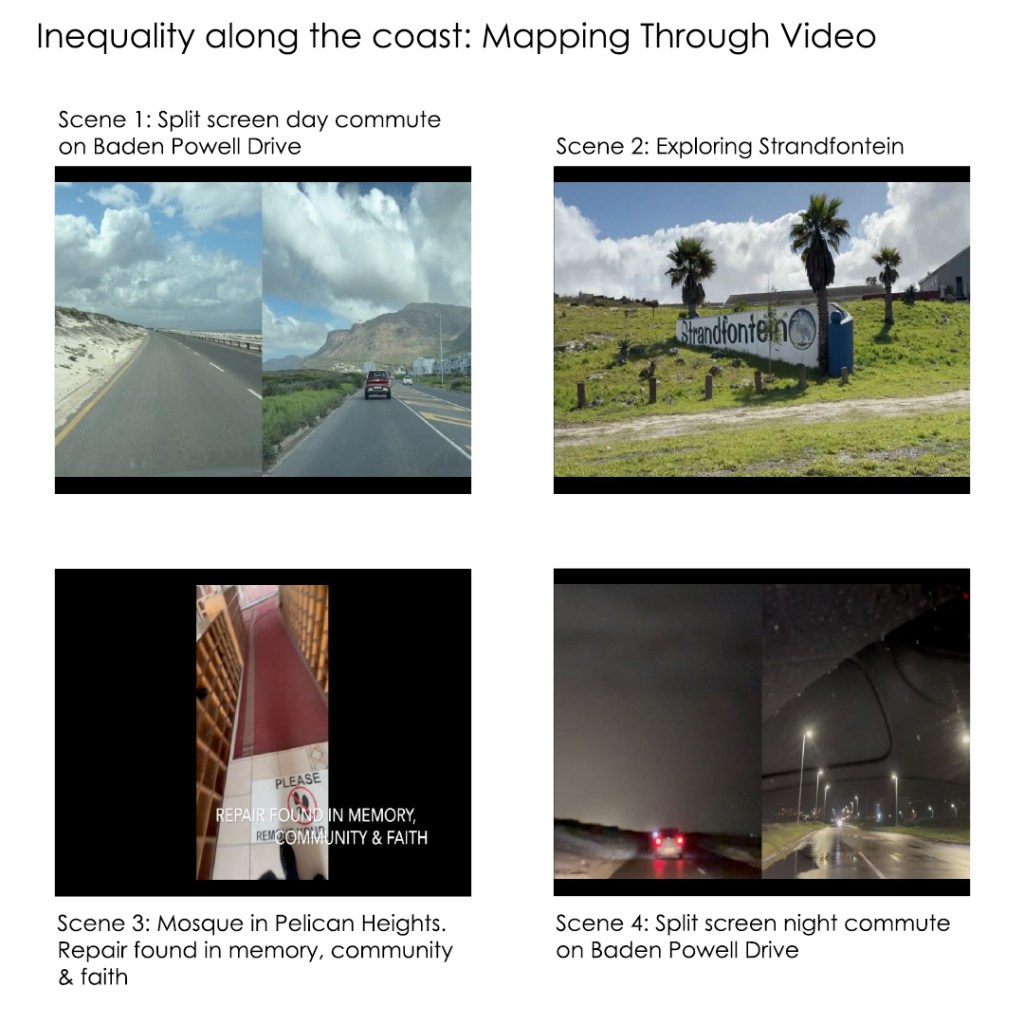
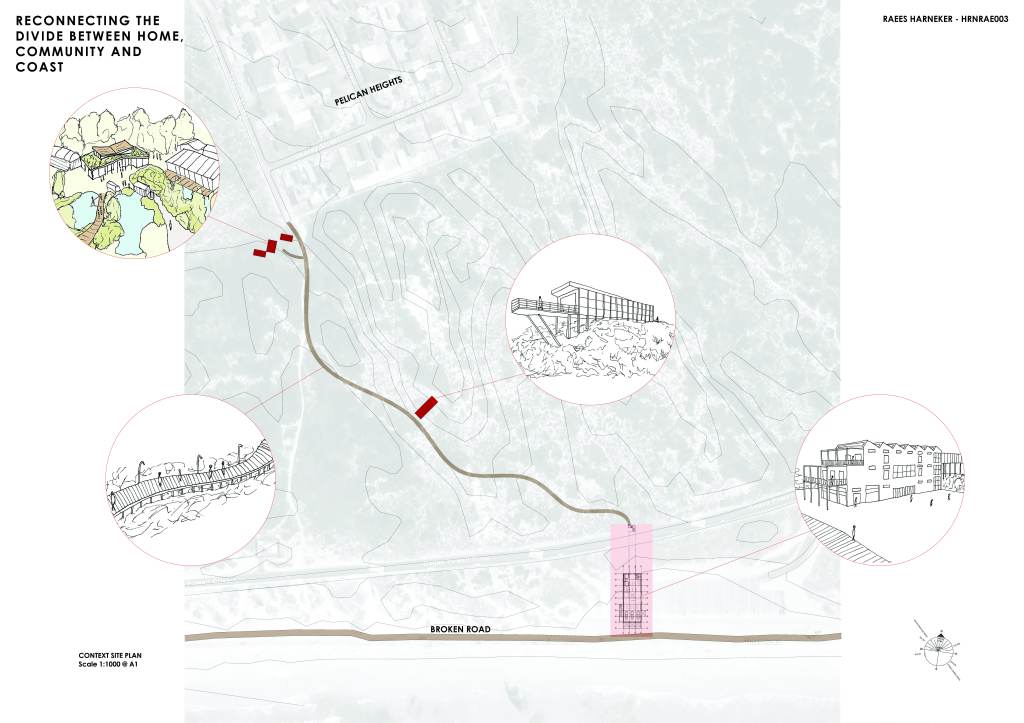
This project works the corridor between Pelican Heights, Strandfontein Pavilion, and Broken Road — three places physically close to one another, yet held apart by neglect, inaccessibility, and years of uneven care.
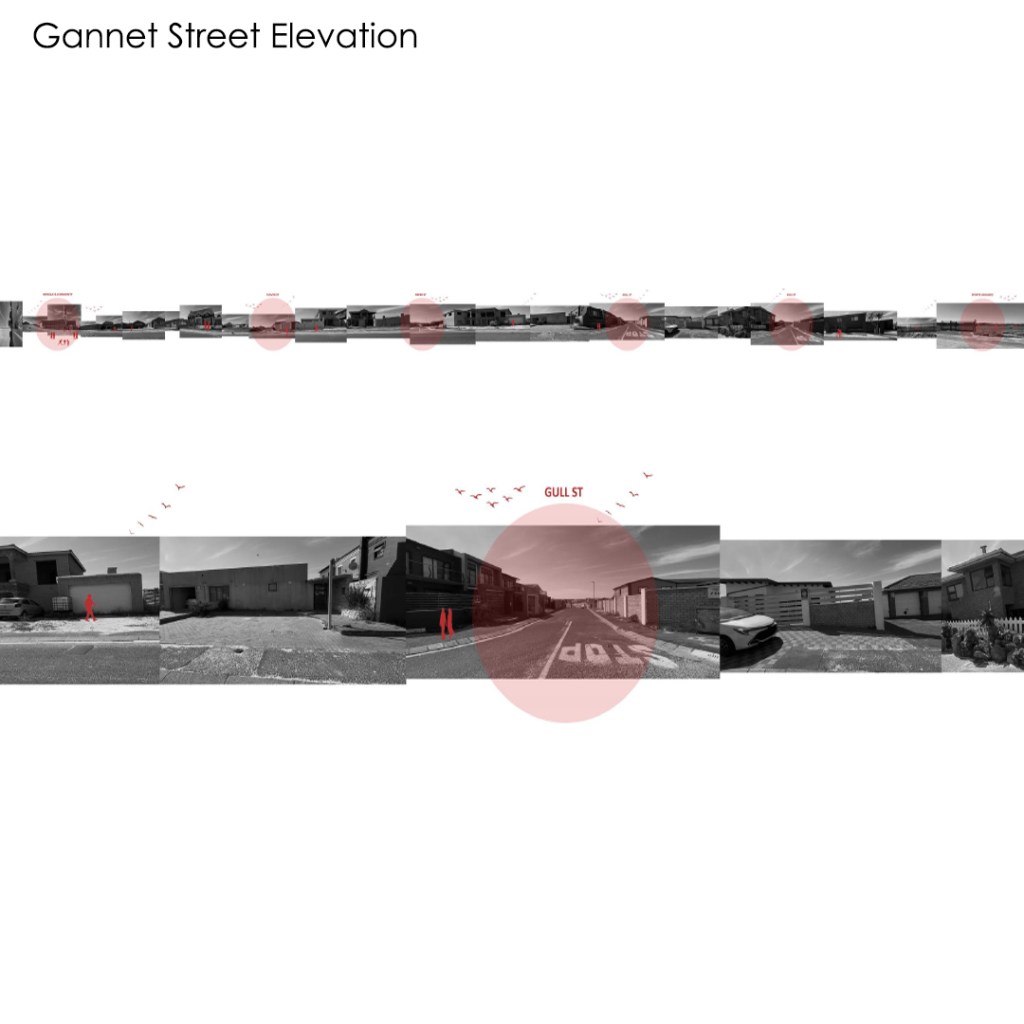
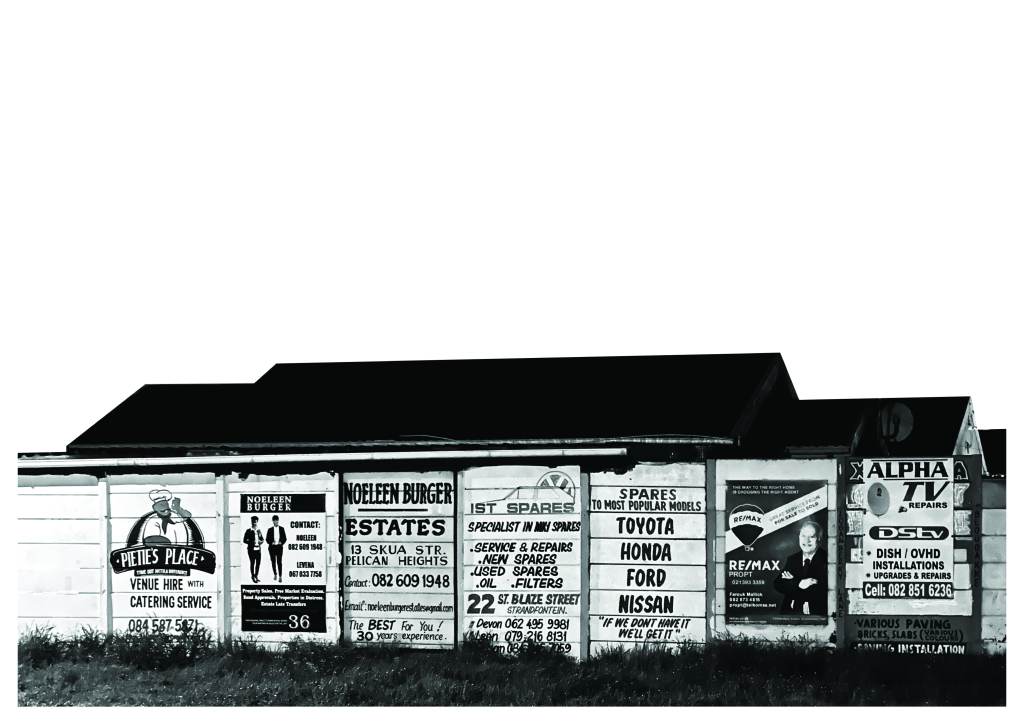
Pelican Heights already functions as a self-sustaining ecosystem. Homes double as spaza shops and workspaces; streets hold social life; residents maintain their environment through small, everyday acts of repair that rarely get named as such. The project begins not by proposing something new, but by recognising that resilience — treating it as the starting point rather than the gap to be filled.
The proposal reconnects Pelican Heights to the coast through a raised pathway across the dunes, transforming the existing 500m sandy track into a route that is legible and welcoming rather than incidental. Along its length, small nodes of safety, rest, and ecological care punctuate the journey — modest interventions rather than a single gesture.
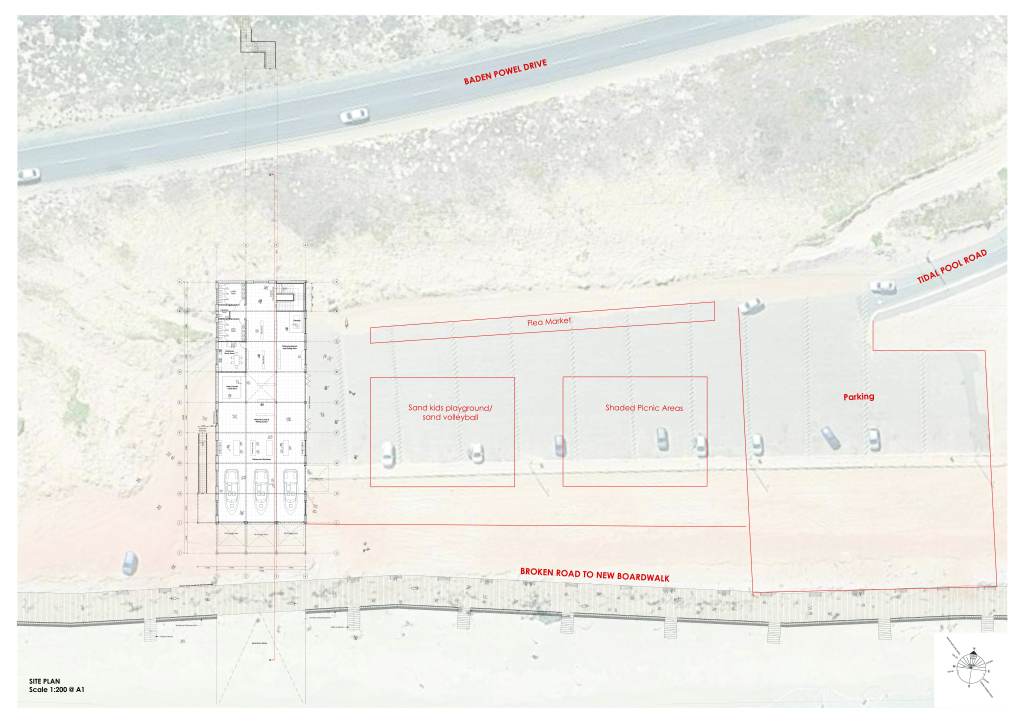
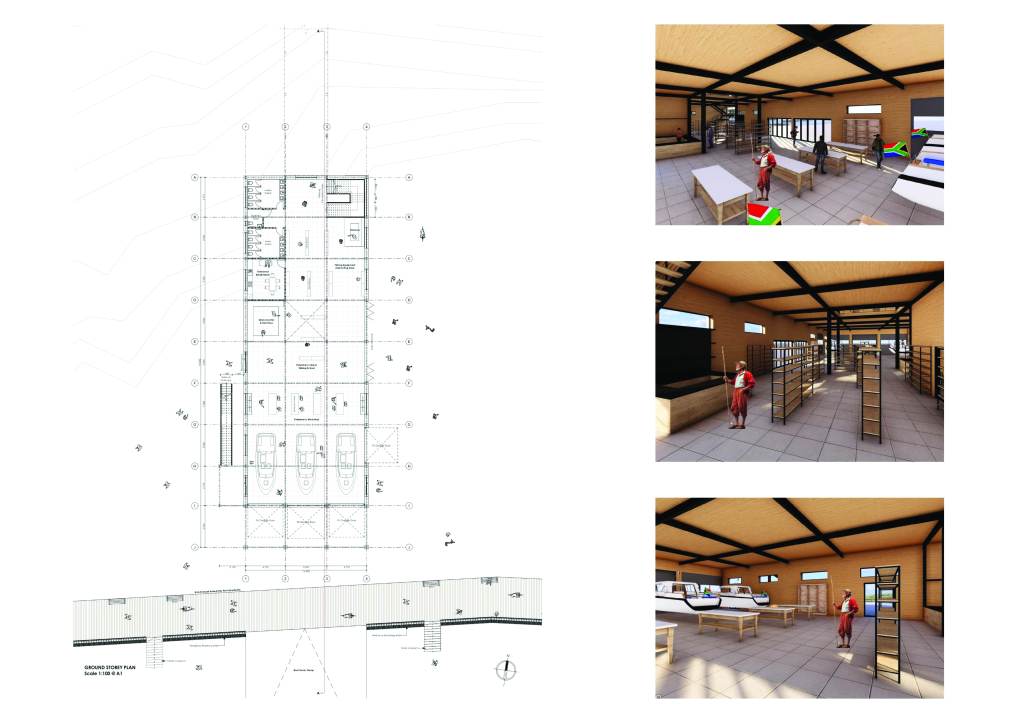
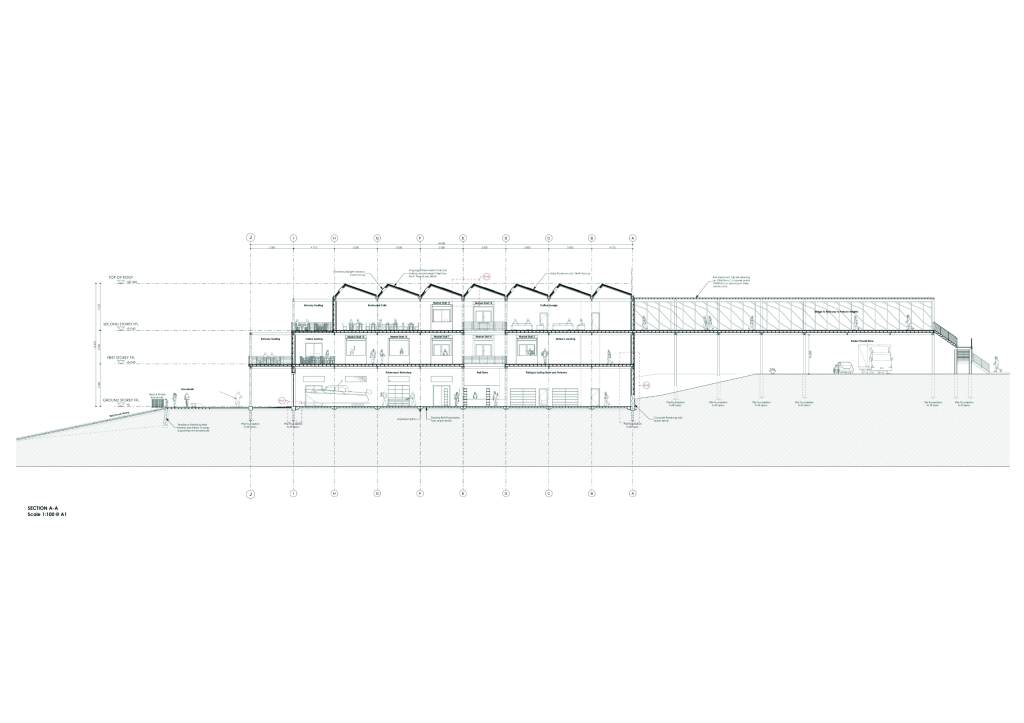
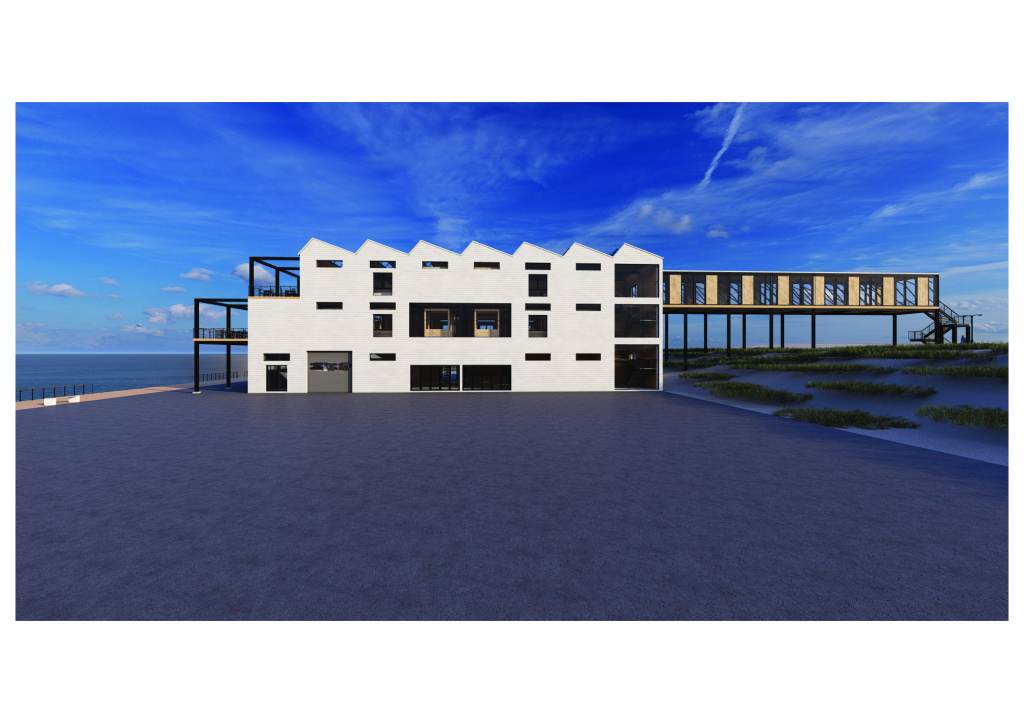
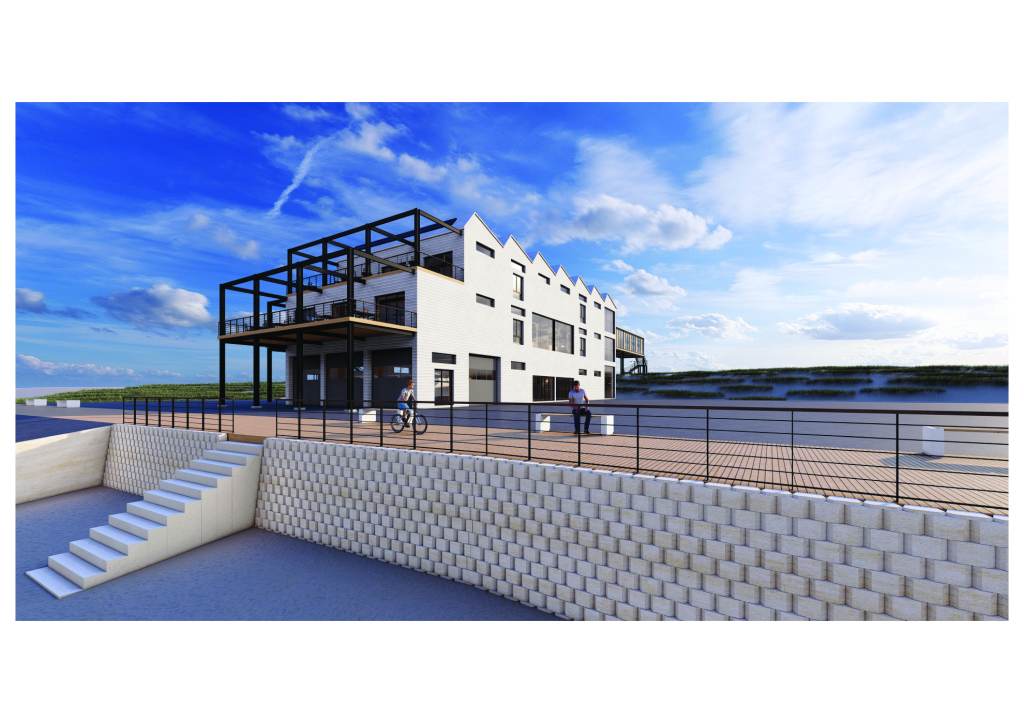
At Broken Road, a new community-led coastal building anchors the connection, combining:
- fishing infrastructure
- workshop spaces
- a market level for local makers
- an upper-floor café and restaurant
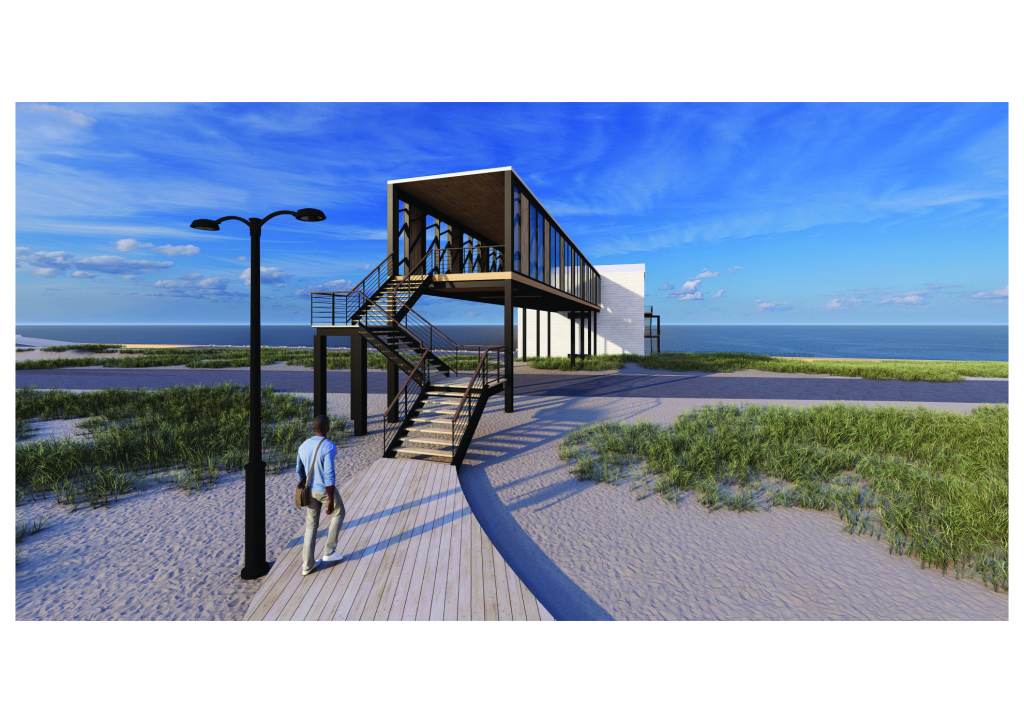
A pedestrian bridge crosses Baden Powell Drive safely, landing directly into the building and stitching neighbourhood to coastline. Broken Road itself is reimagined as a revitalised boardwalk — built not for outsiders passing through, but for the people who already use and care for this place.
Repair, here, is not replacement. It is reconnection: working with what is already there, mending the relationships between home, community, and coast. What the project offers is not a finished solution but spaces the community can sustain — infrastructure rooted in the everyday care that was already holding this place together.
 repairative architectures