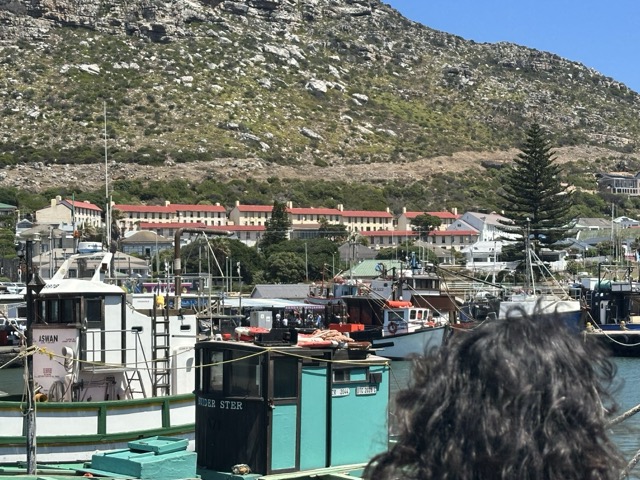
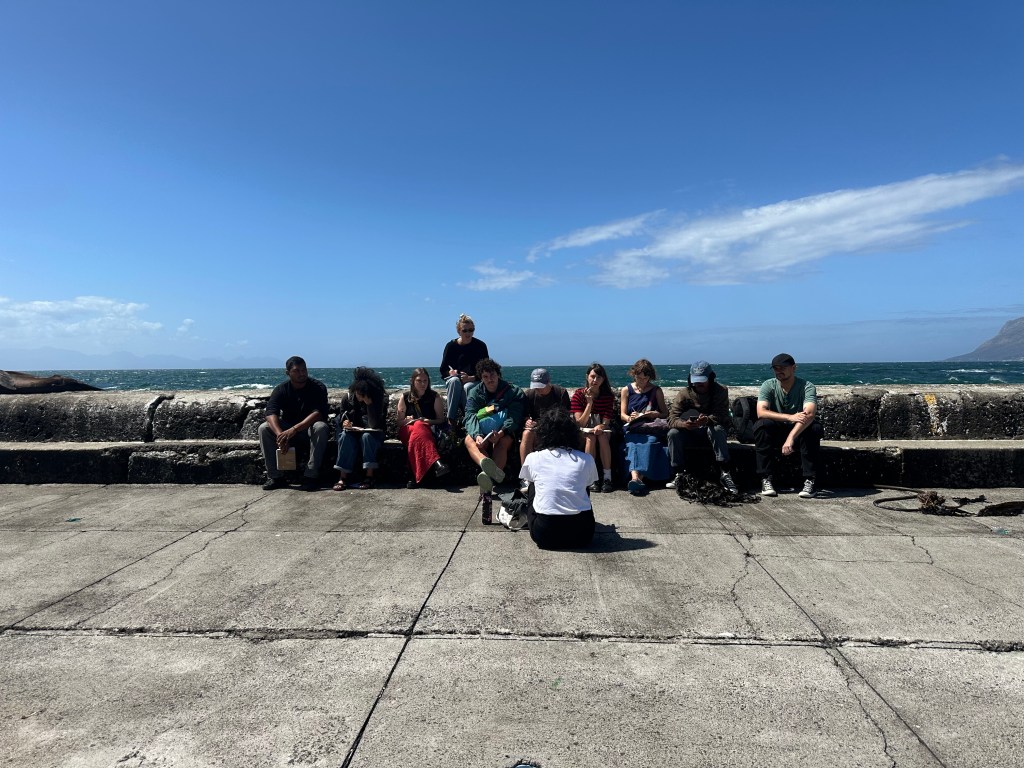
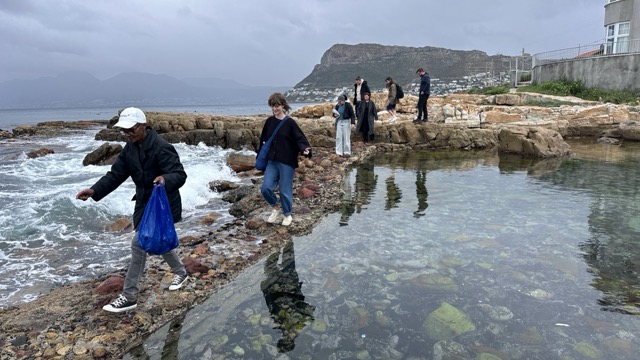
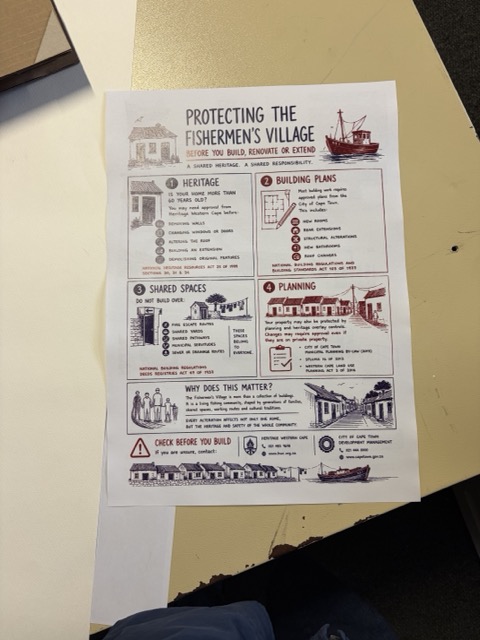
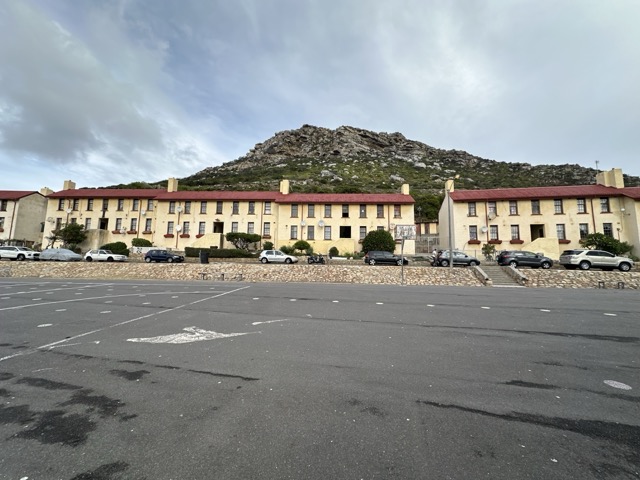
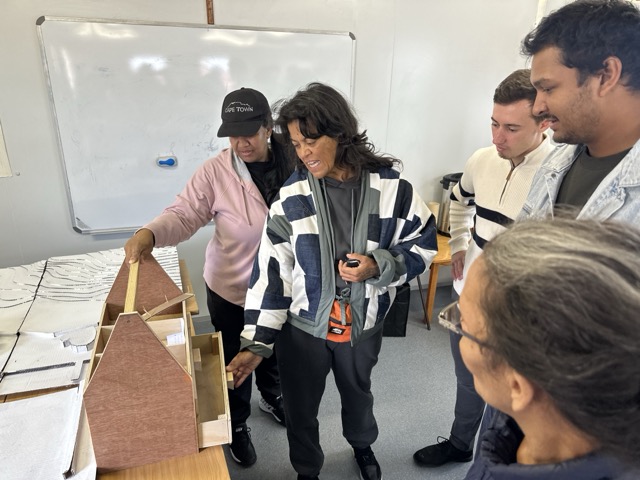
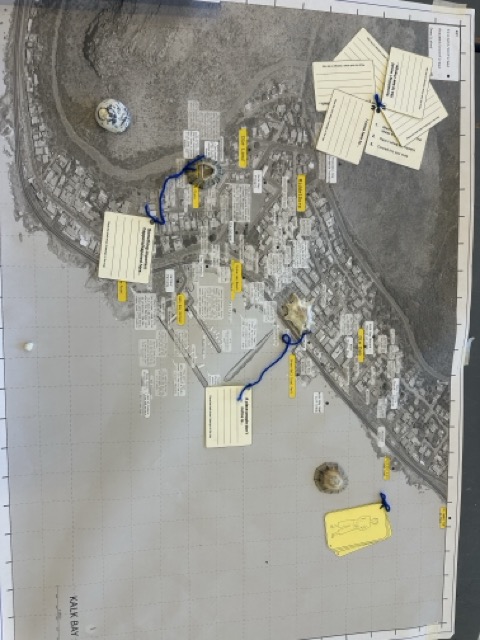
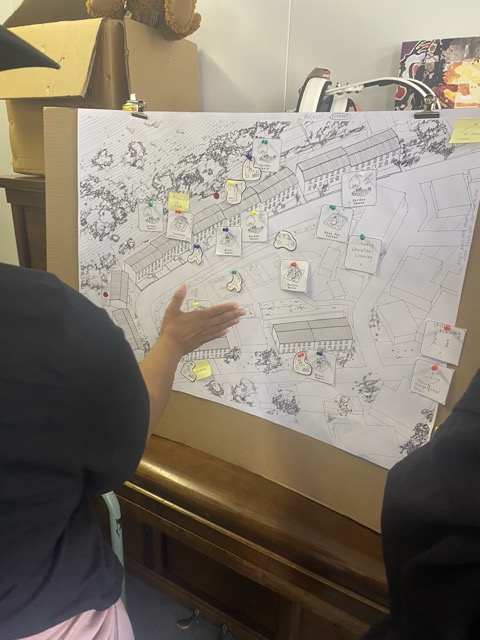
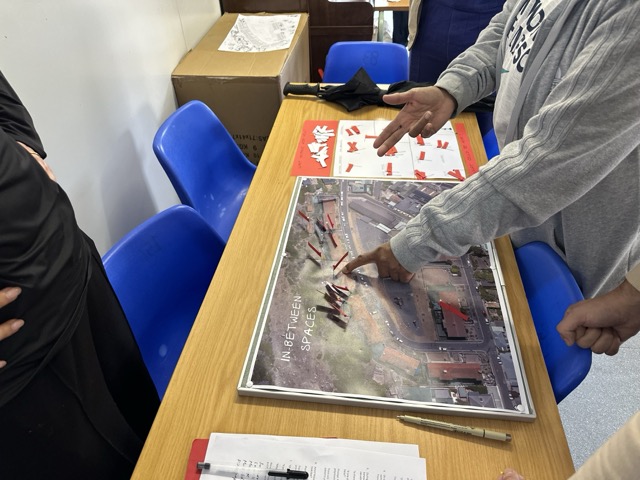
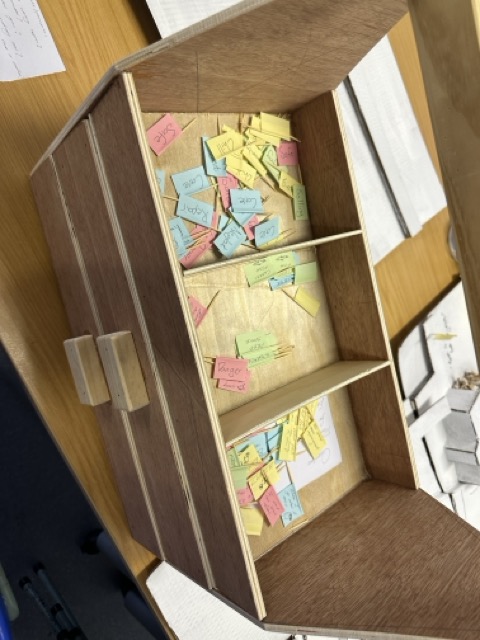
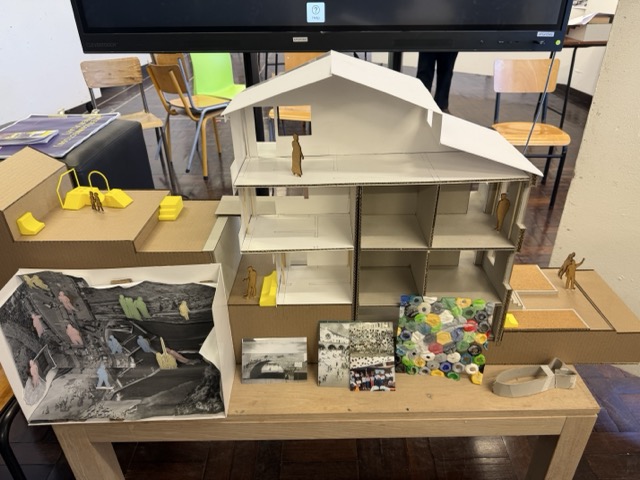
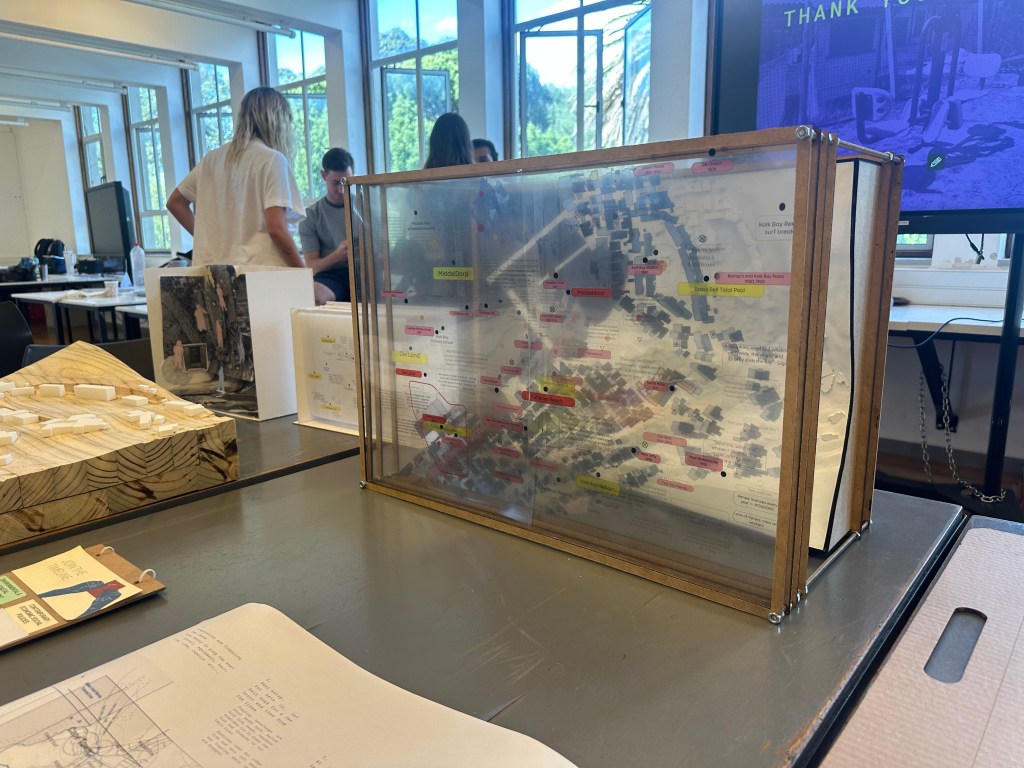
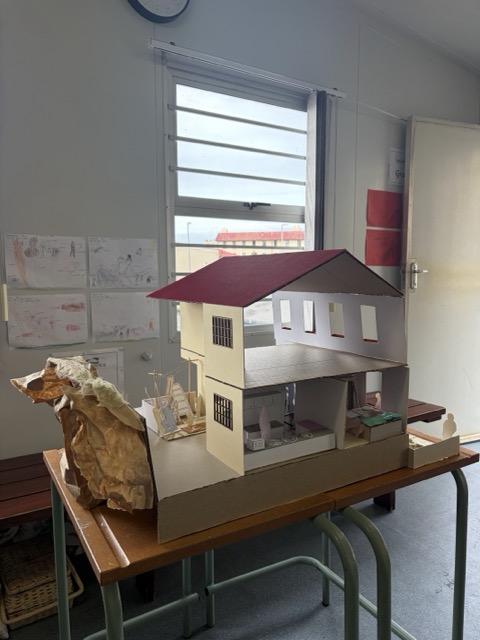
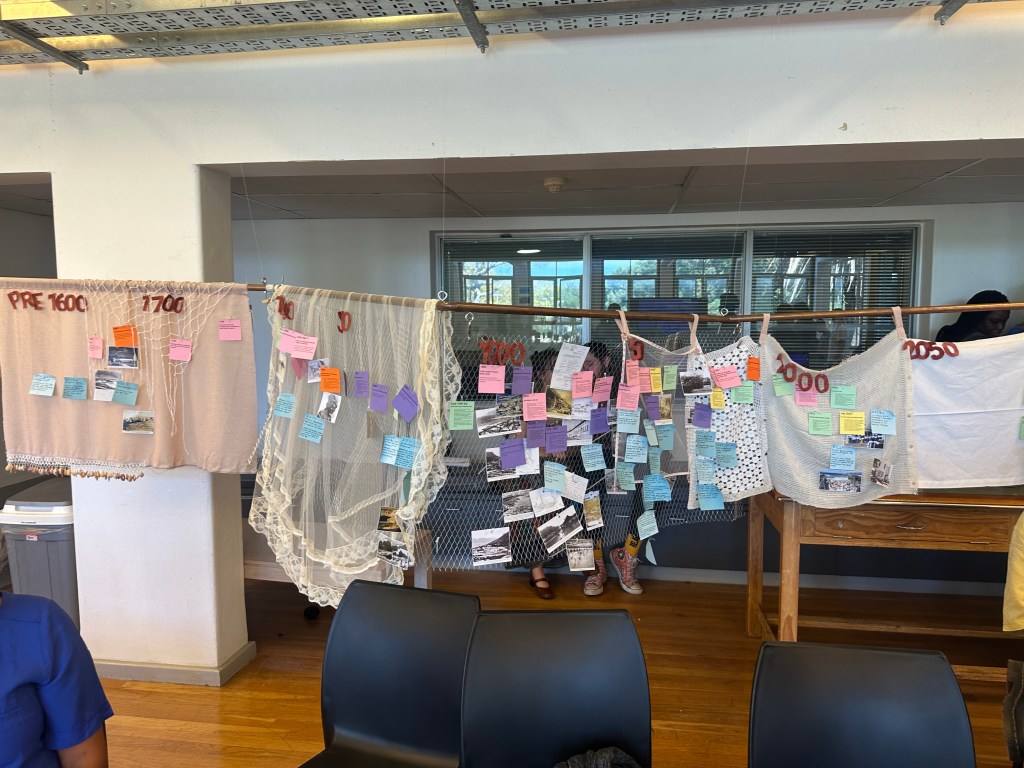
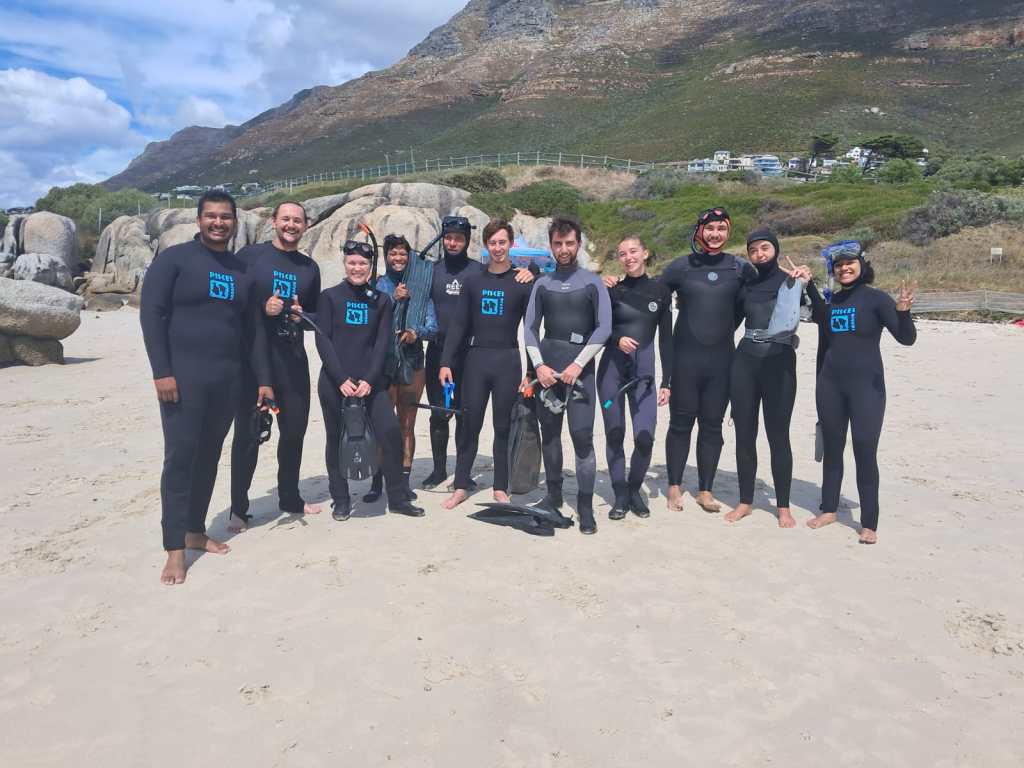
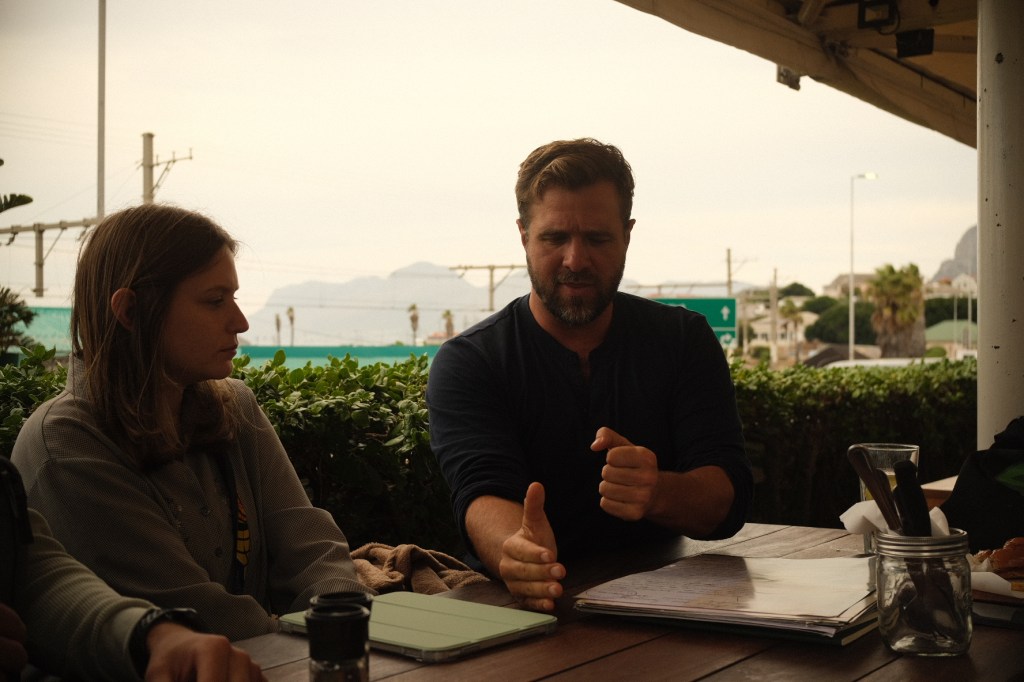
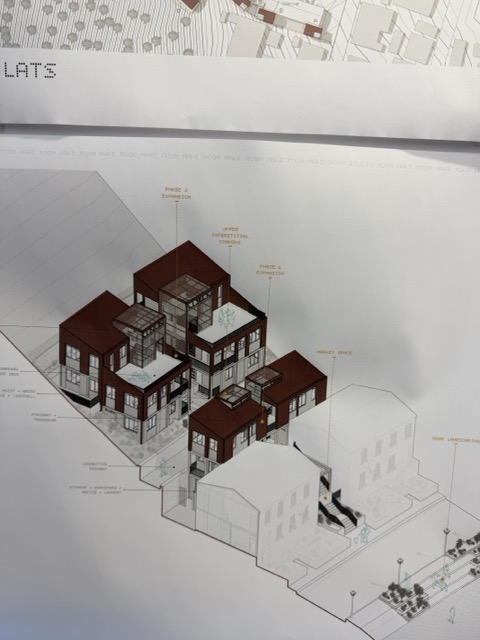
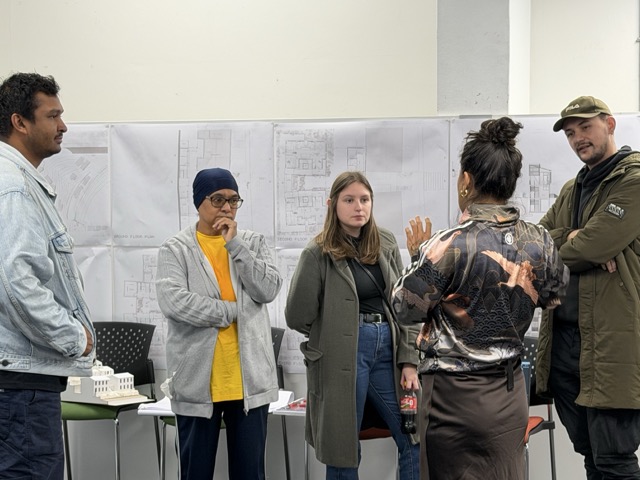
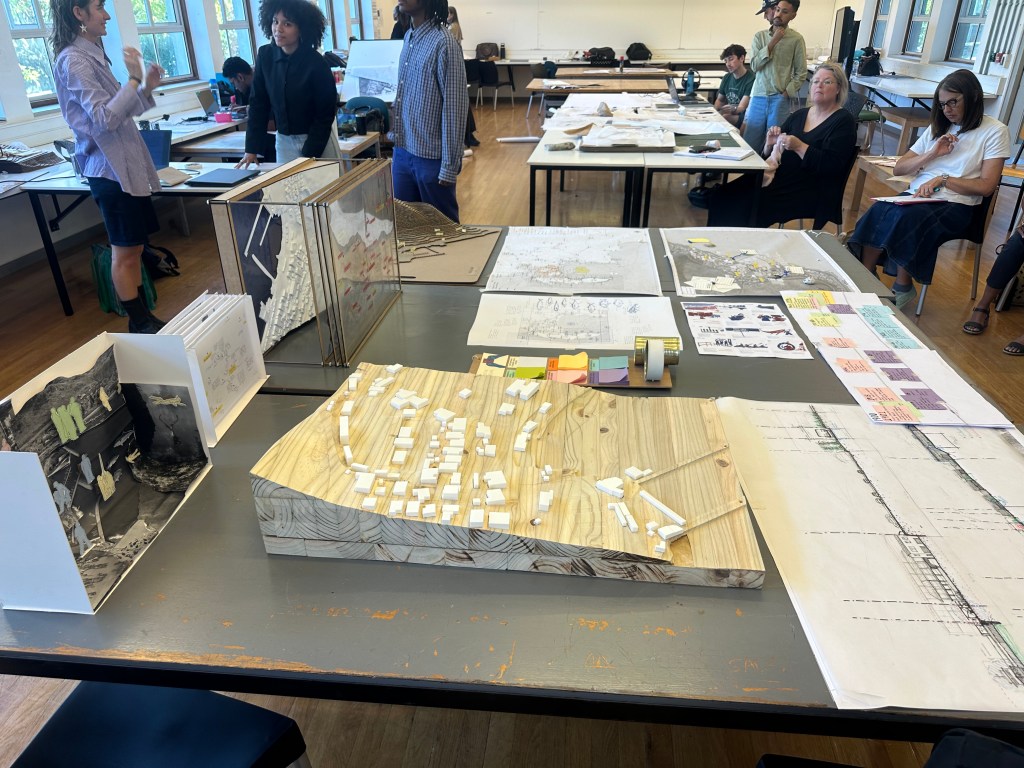
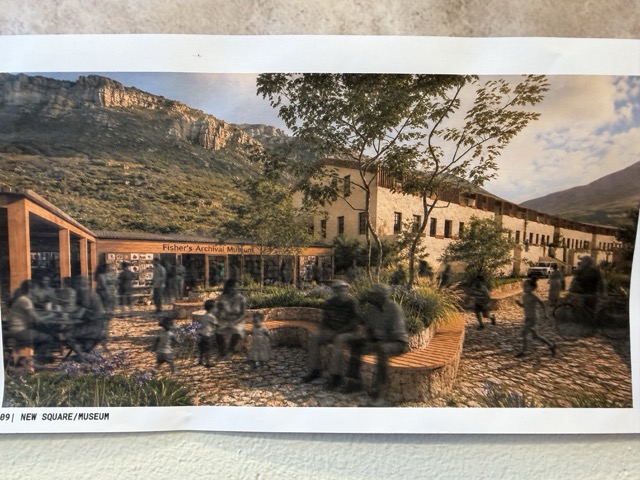
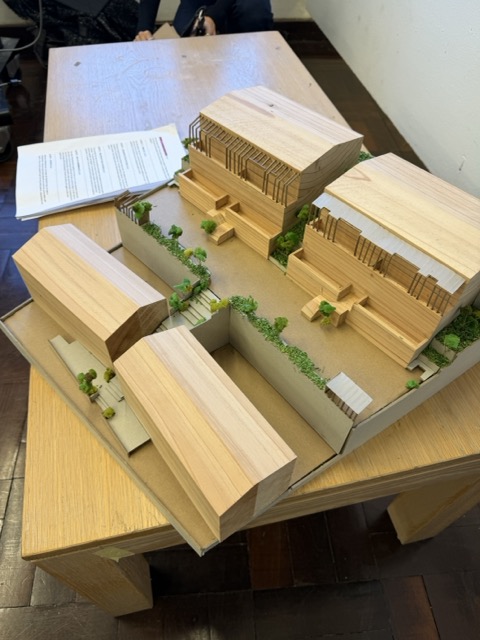
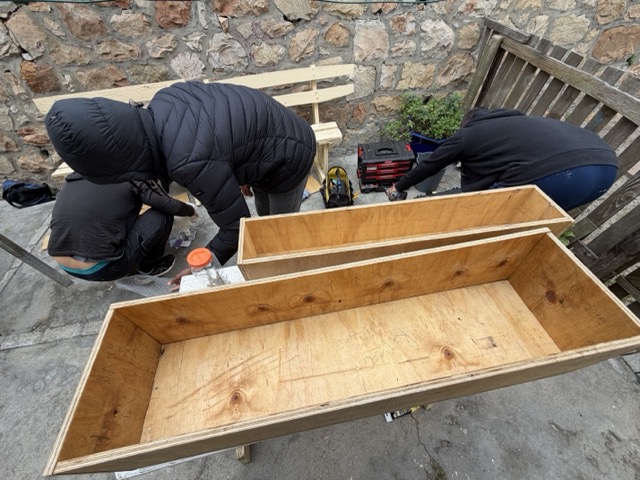
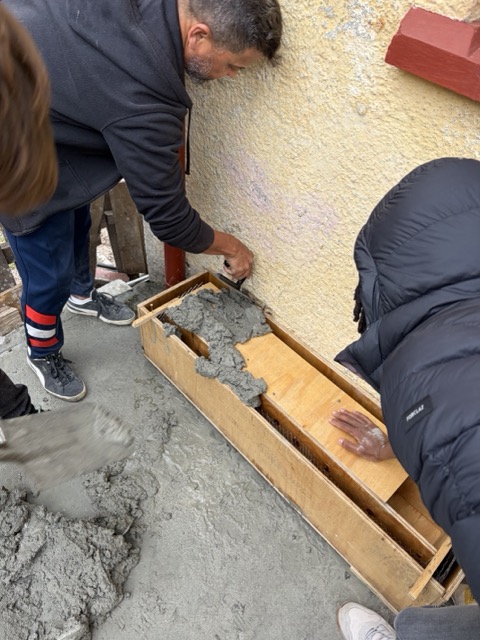
The Fisher People’s Flats project is a collaboration between residents of Fisher People’s Flats, the Fisher Child Project, and the University of Cape Town. The engagement is overseen by 1to1: Agency of Engagement through a three-year memorandum of understanding, led by Dr Jhono Bennett. The project explores how architecture might contribute to repair in Kalk Bay: of homes and shared spaces, and of the histories, relationships, and knowledge that have long tied this community to the harbour and the sea.
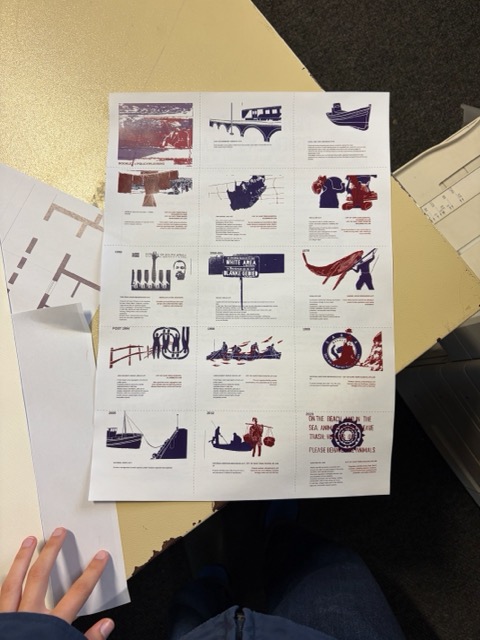
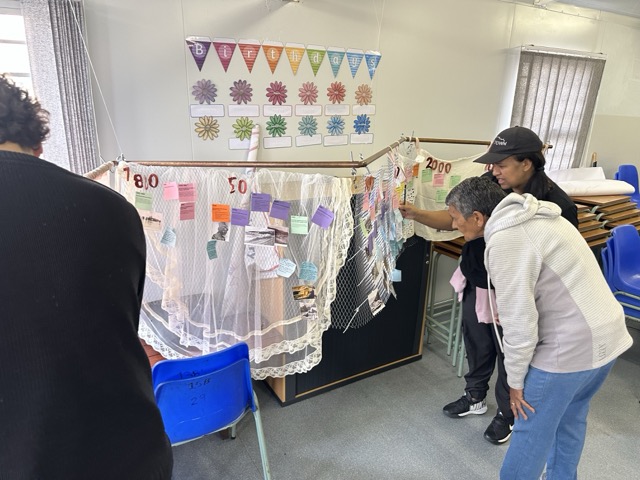
At the heart of the project is the Fisher Child Project, led by Traci Kwaai. Traci’s work preserves and extends Kalk Bay’s ocean heritage through youth diving, storytelling, cultural memory, and digital media. It connects a new generation to the sea and to the fishing community’s histories of livelihood, removal, belonging, and return. Her insistence on listening first and on moving at the speed of trust has shaped the project from the beginning, and continues to hold the work accountable to the people whose stories and knowledge make it possible.
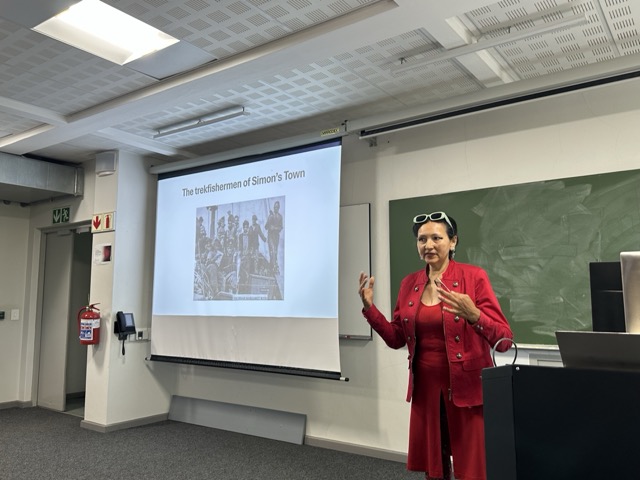
The project has also been deeply enriched by Joline Young, a social historian and heritage consultant who has been a key informant and discussant throughout the process. Joline’s research into forced removals, dispossession, and slavery along the False Bay coast, including her book An Uncomfortable Paradise: A History of Dispossession and Slavery in Simon’s Town, helped students situate Fisherman’s Flats within the longer and often hidden histories of the region. Her generosity in sharing this knowledge, and in challenging the studio’s assumptions, has been invaluable.
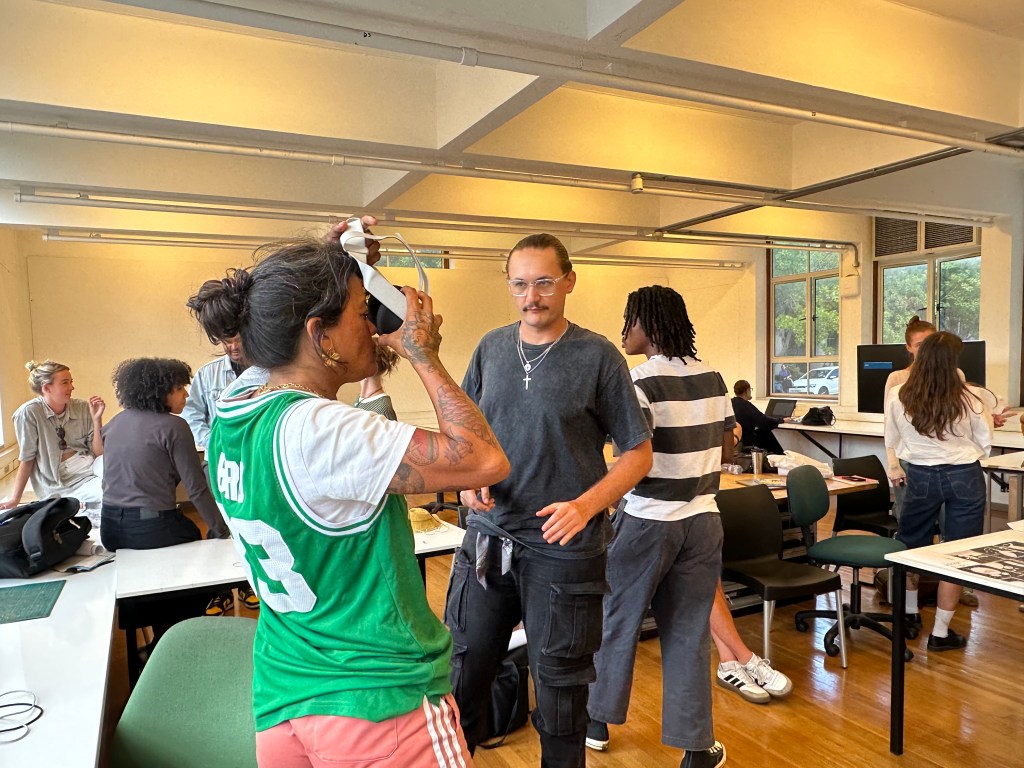
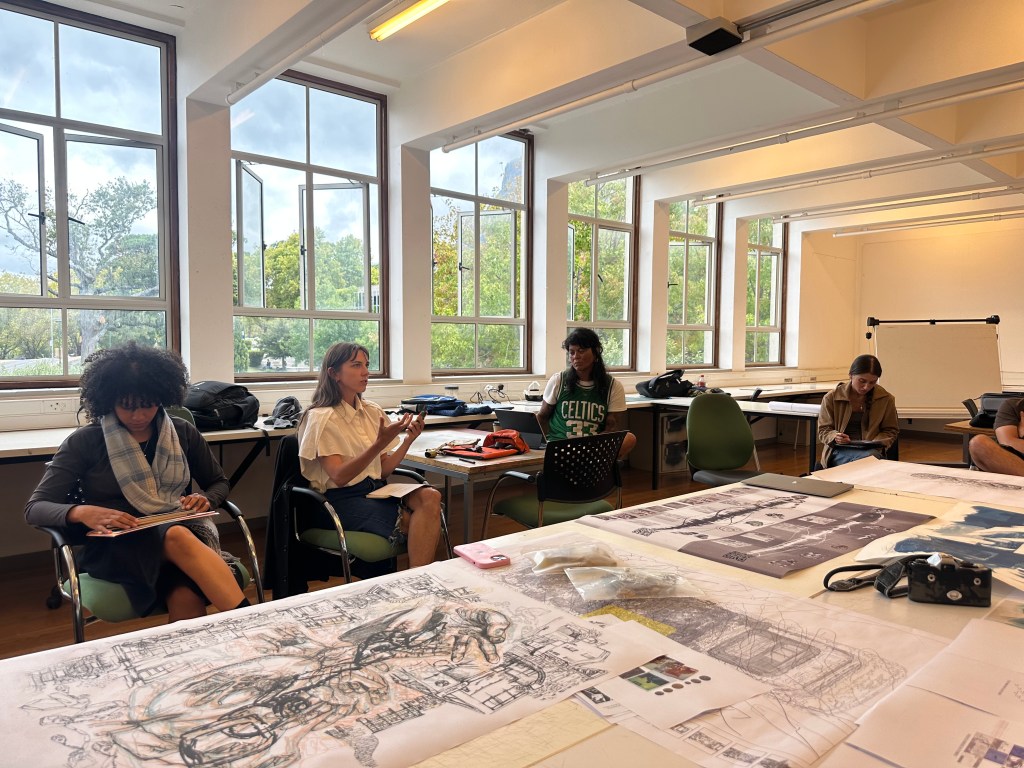
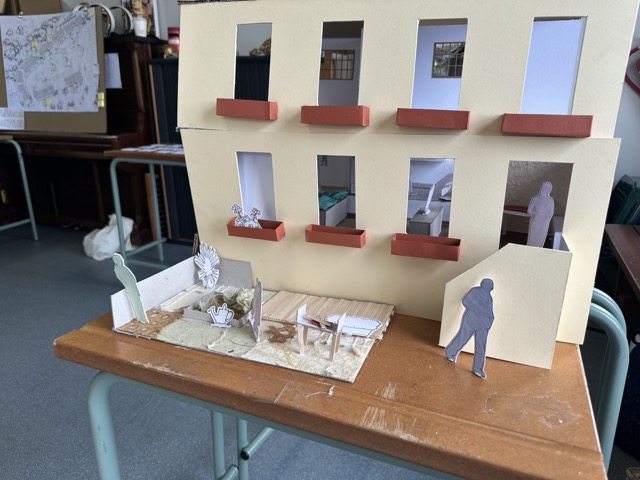
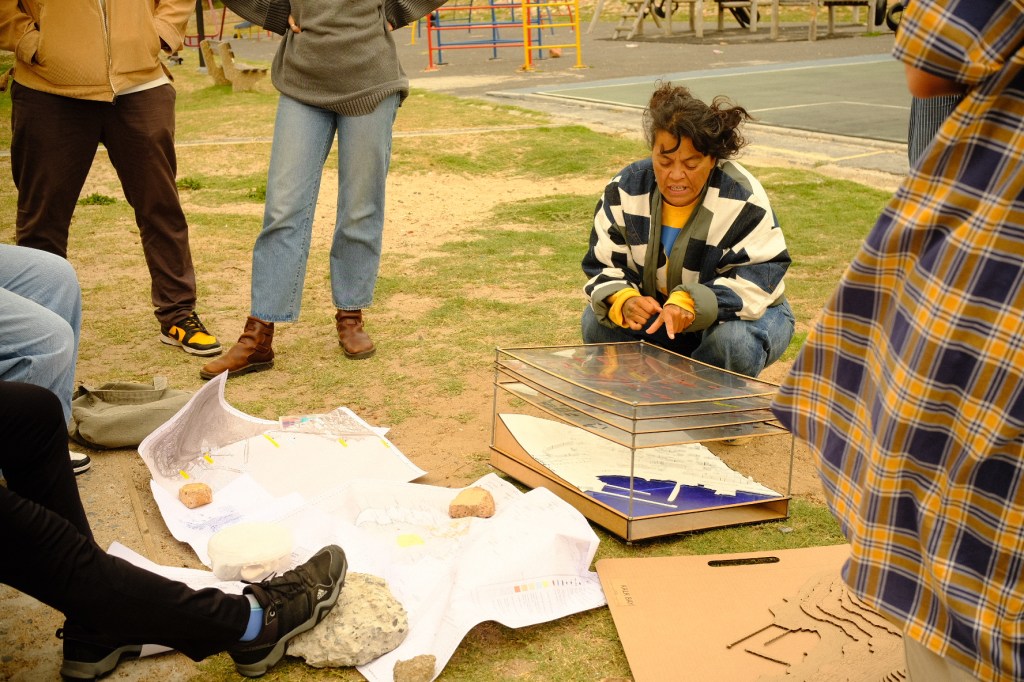
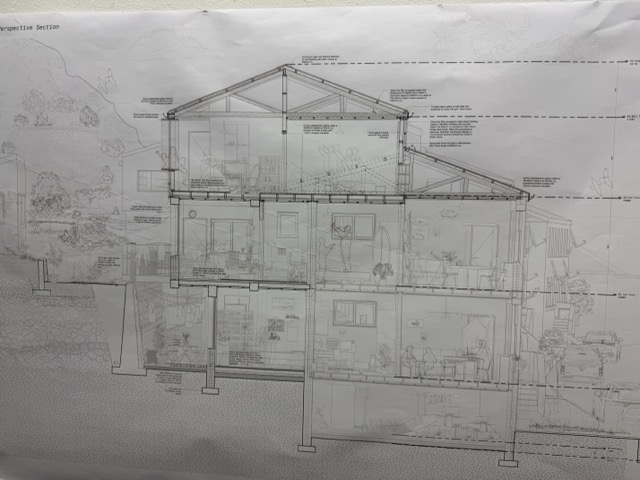
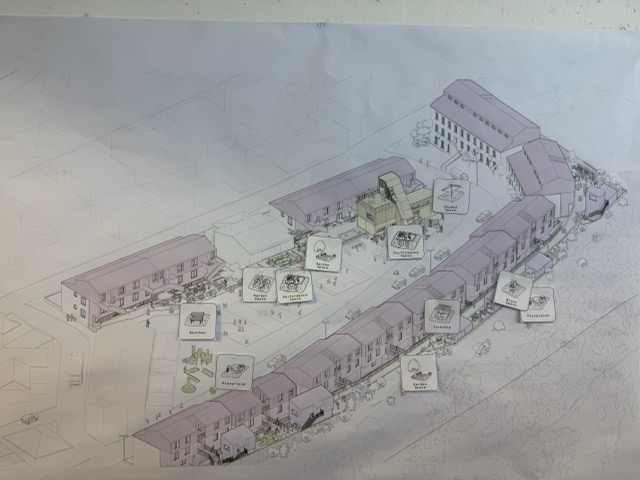
The work began through the Sim Office Studio at the University of Cape Town’s School of Architecture, Planning and Geomatics. This postgraduate architecture studio places students in a simulated professional office for a full semester, working with real sites, real partners, and the responsibilities that come with public-facing architectural work. Framed around Repairative Housing, the studio asked students to engage with housing not only as a design or technical problem, but as a social, historical, and ethical question. In Fisherman’s Flats, this meant learning from how homes are lived in, maintained, adapted, and remembered across generations, and how these everyday practices sit within wider histories of planning, heritage, and coastal change.
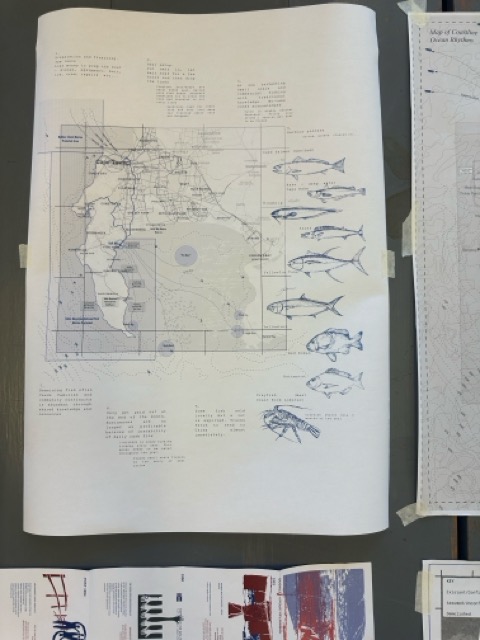
The project was also connected internationally through the Urban Design Master’s programme at the Technical University of Munich, via the Centre for Urbanisation and Peripheralization (CUSP) led by Prof. Lindsay Blair Howe. Visiting TUM students brought a wider urban lens to the work, situating Fisherman’s Flats within broader coastal, infrastructural, mobility, and housing systems, while learning alongside the UCT cohort and the community.
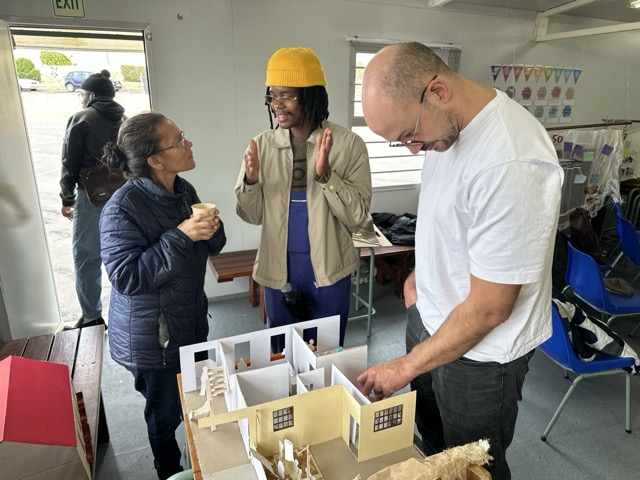
Crucially, the project is not bound to a single semester. Through the MOU, 1to1 supports ongoing engagement, documentation, socio-technical support, and the return of agreed outputs to residents and partners, including a handover booklet, exhibition moments, and an emerging community Repair Day.
Taken together, the project is an attempt to practise architecture differently. It begins with existing relationships and community knowledge, works across the university and beyond it, and treats repair as a long-term, shared, and accountable process rather than a finished product.
Residents
- Uncle Neil
- Traci
- Philip
- Aunty Myoena
- Urshi
- Tammi
- Aunty Cilla
- Aunty Najma
- Aunty Glor
- Melanie
- Warren
- Uncle Kevin
Students
- Tiana Swanepoel
- Dmitri Zakharov
- Noa Castro
- Tumisho Kekana
- Mila Mathews
- Kayla Jefthas
- Matthew Visser
- Rachel Marais
- Nisha Fabricius
- Isabella Vernes
- Shaye Ramsay
- Ciaran Dayaram
- Lionel Moss