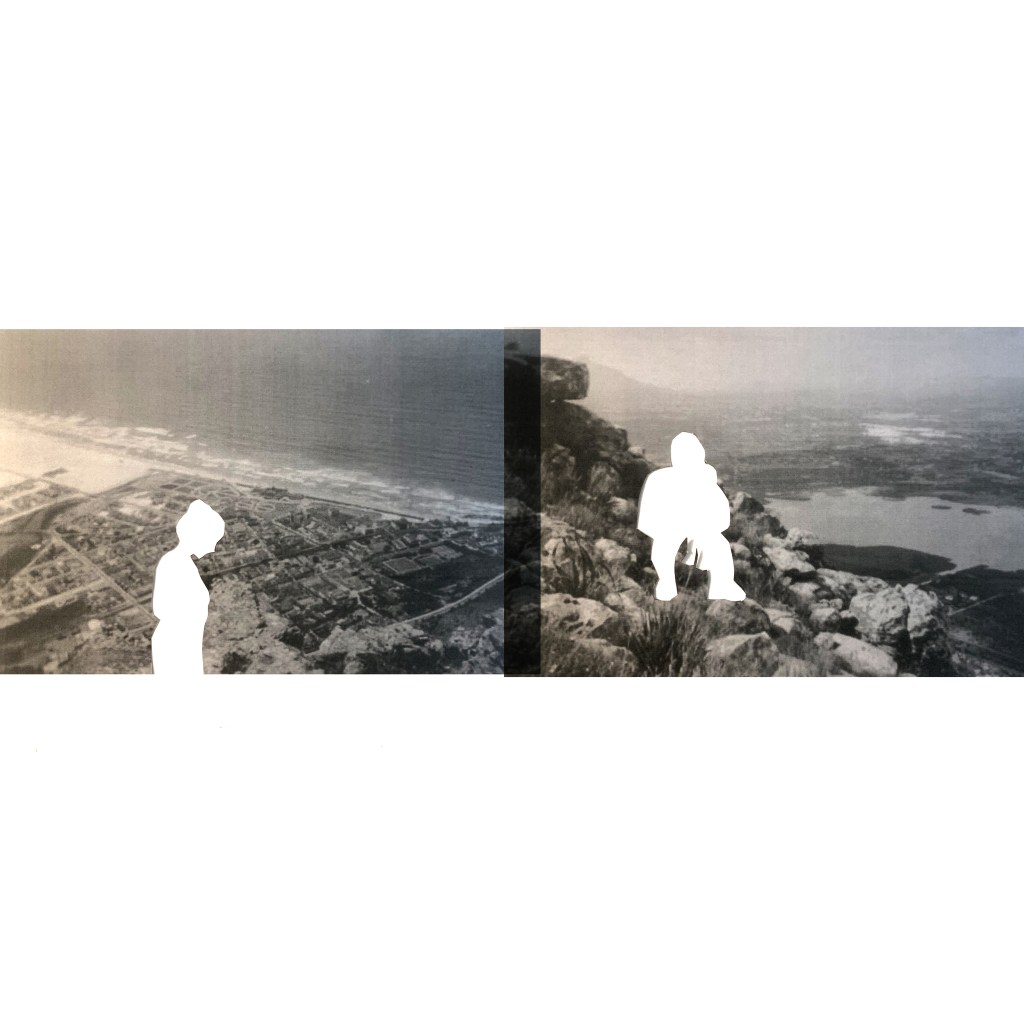
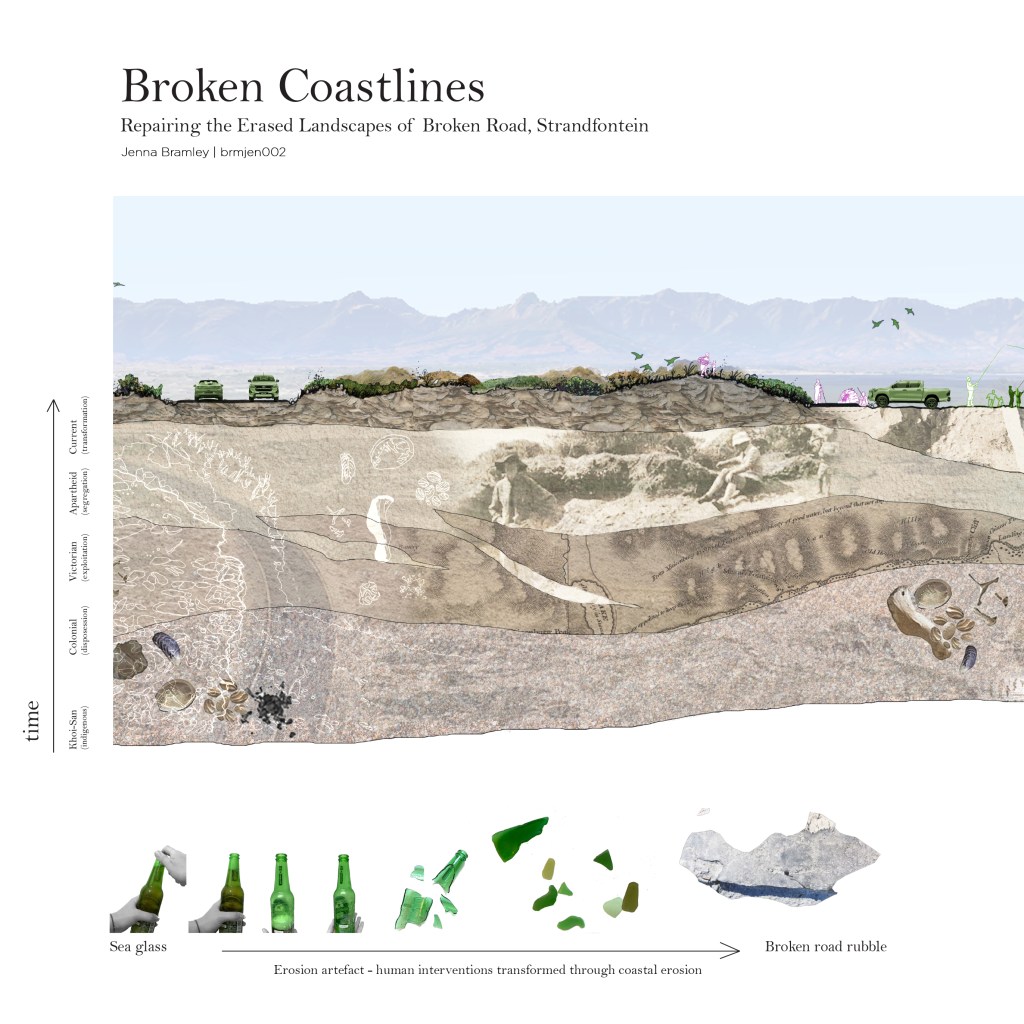
Broken Coastlines traces a landscape where erosion is both natural and cultural.
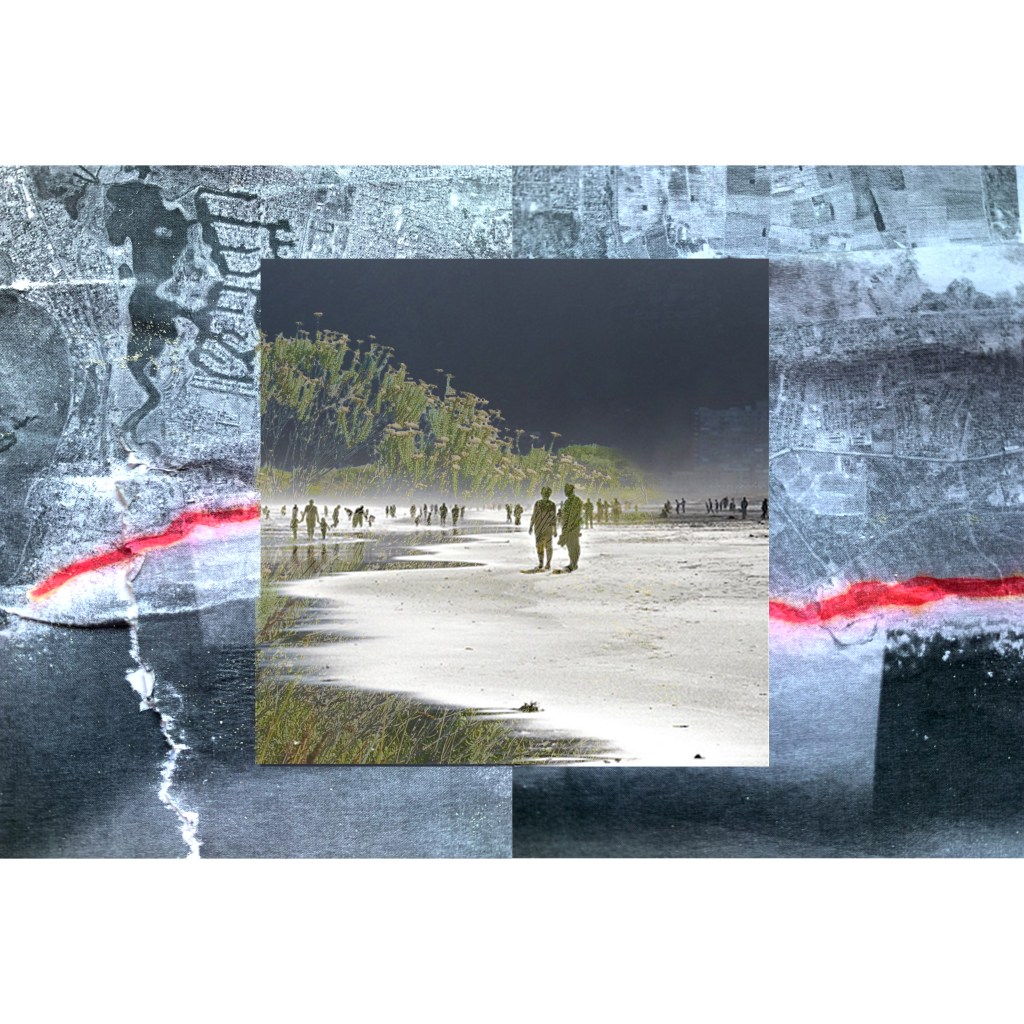
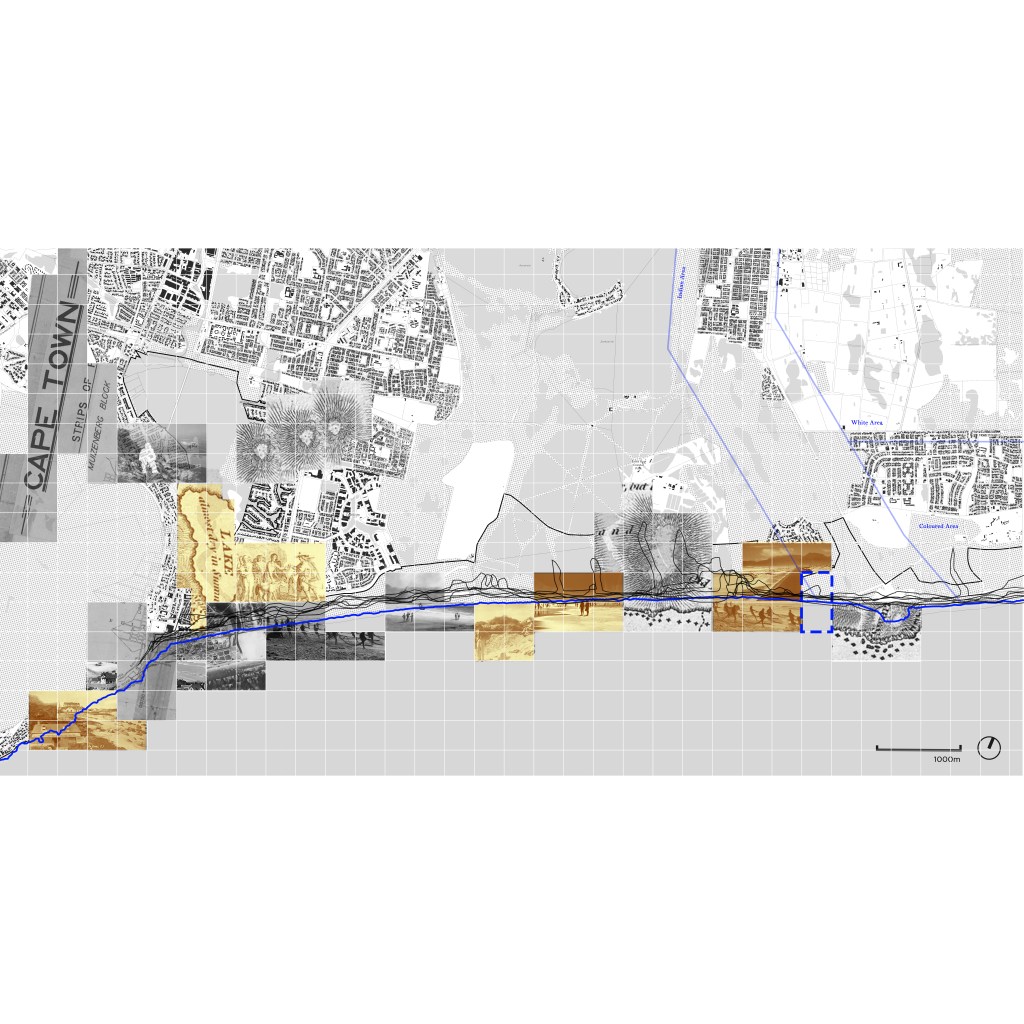
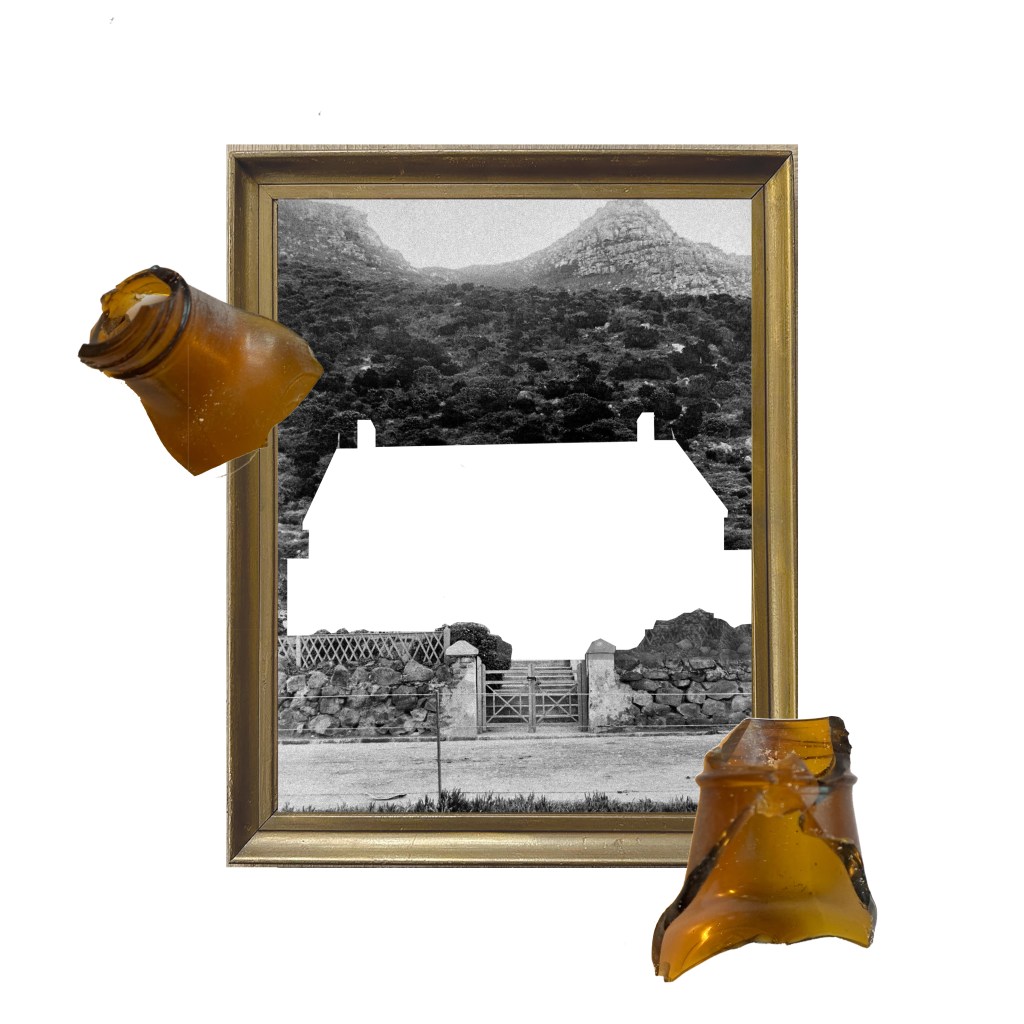
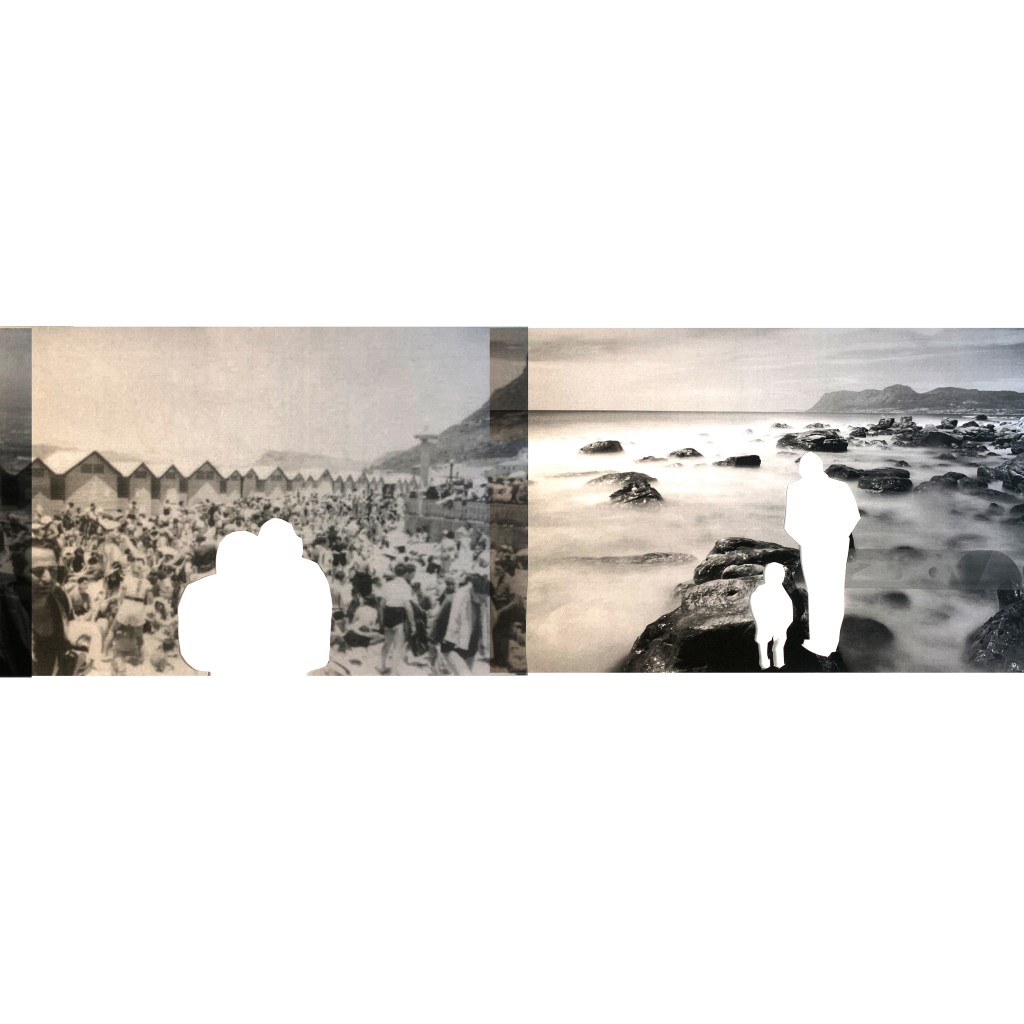
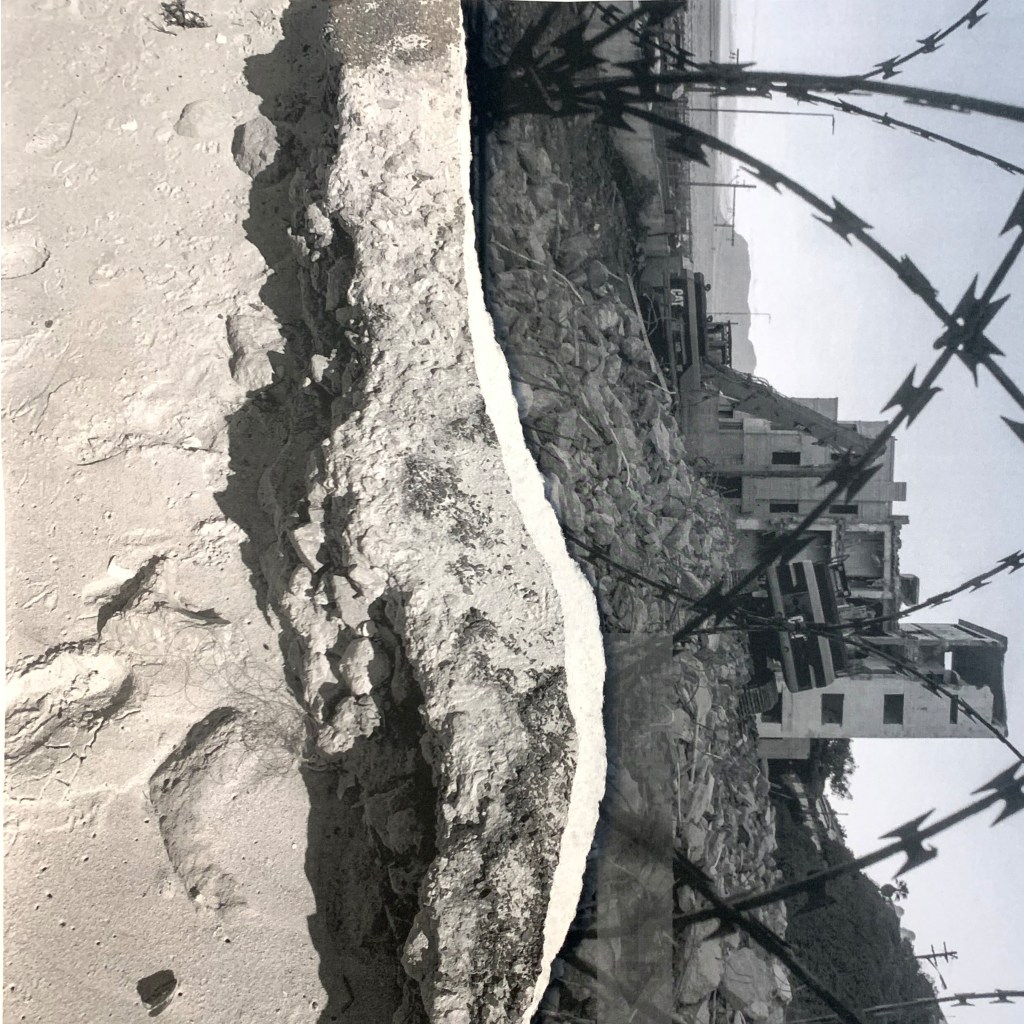
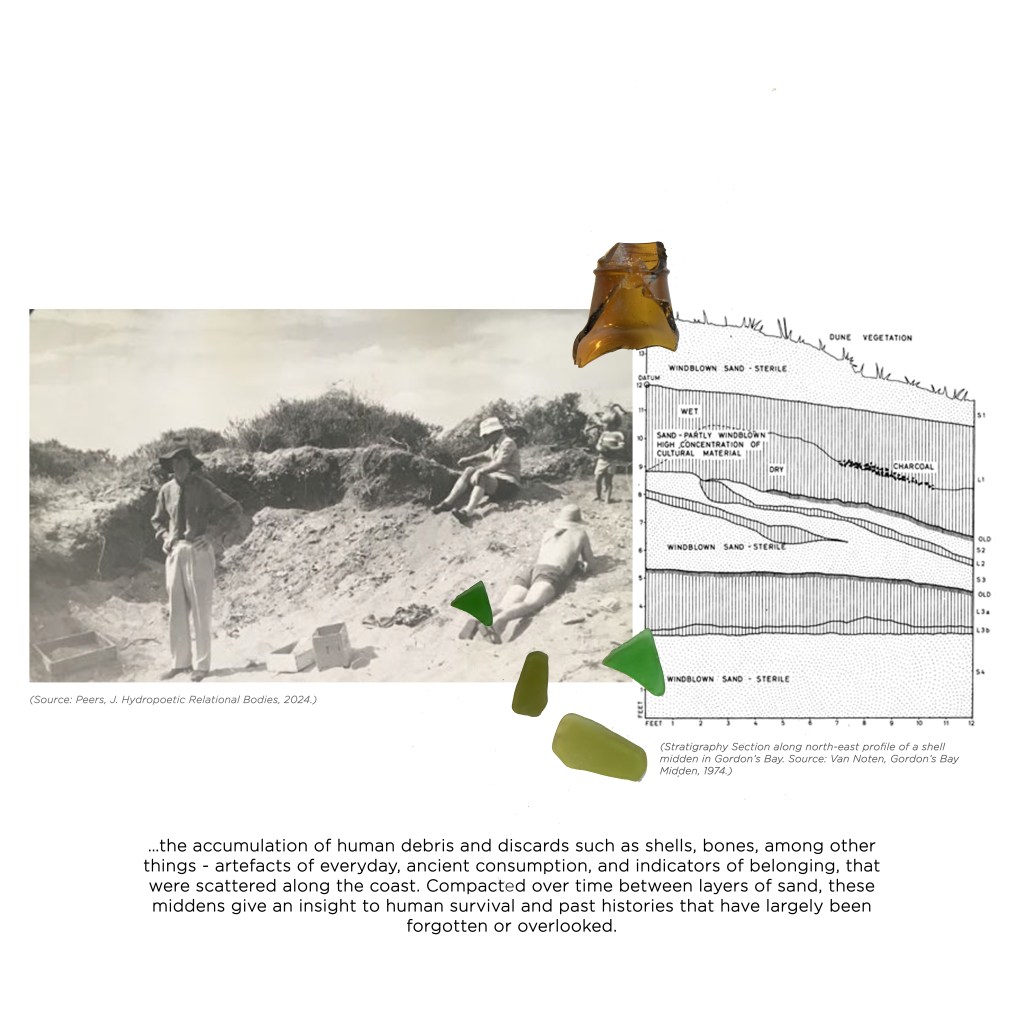
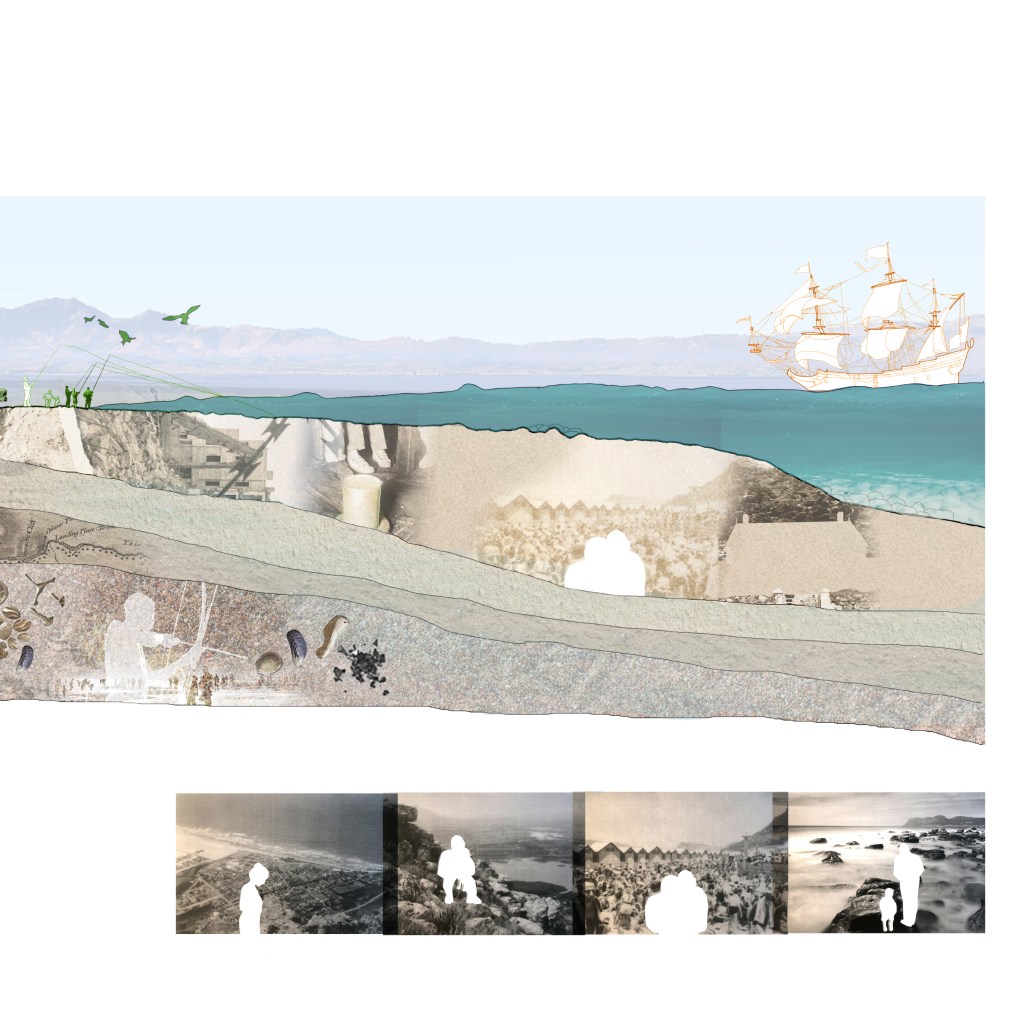
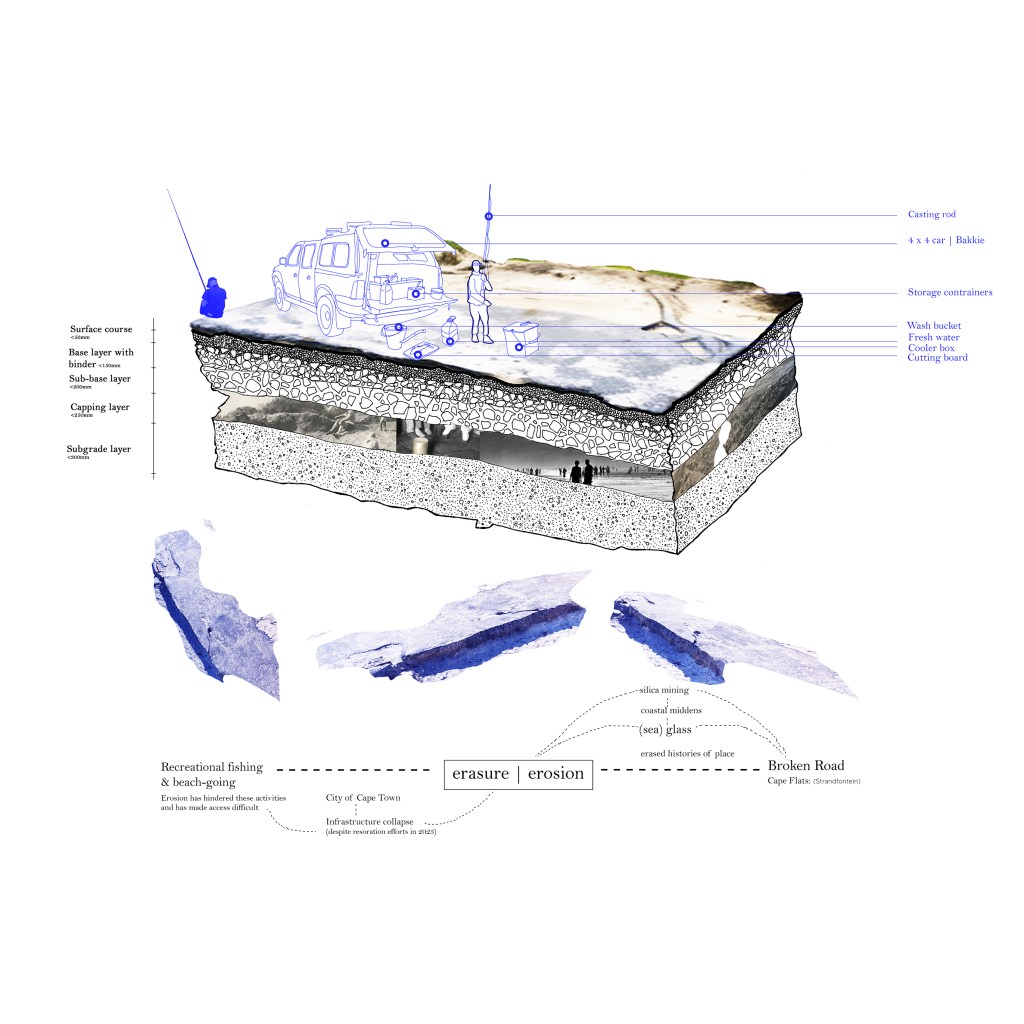
Along Strandfontein, wind and waves uncover what was once buried: residues of forced removals, shell middens left by Indigenous coastal practices, fragments of beer bottles shaped by colonial control over traditional brewing, and the crumbling remains of road infrastructure. The coast reveals its absences as sharply as its presences.
Through walking the dunes, collecting traces, dyeing cloth in the waves, 3D-scanning artefacts, and speaking with long-time fisher-people, the project frames erosion as both destructive and transformative. What is worn away also resurfaces. The landscape insists on remembering, even where it has been asked to forget.
Sea glass becomes a contemporary midden — a metaphor linking consumption, colonial legislation, and histories that have been polished back into visibility rather than erased. “Broken Road,” once a tarred connection, now collapses into sand; its fragments form another kind of archive, infrastructure failing under the same forces that once buried shell middens and delineated lives.
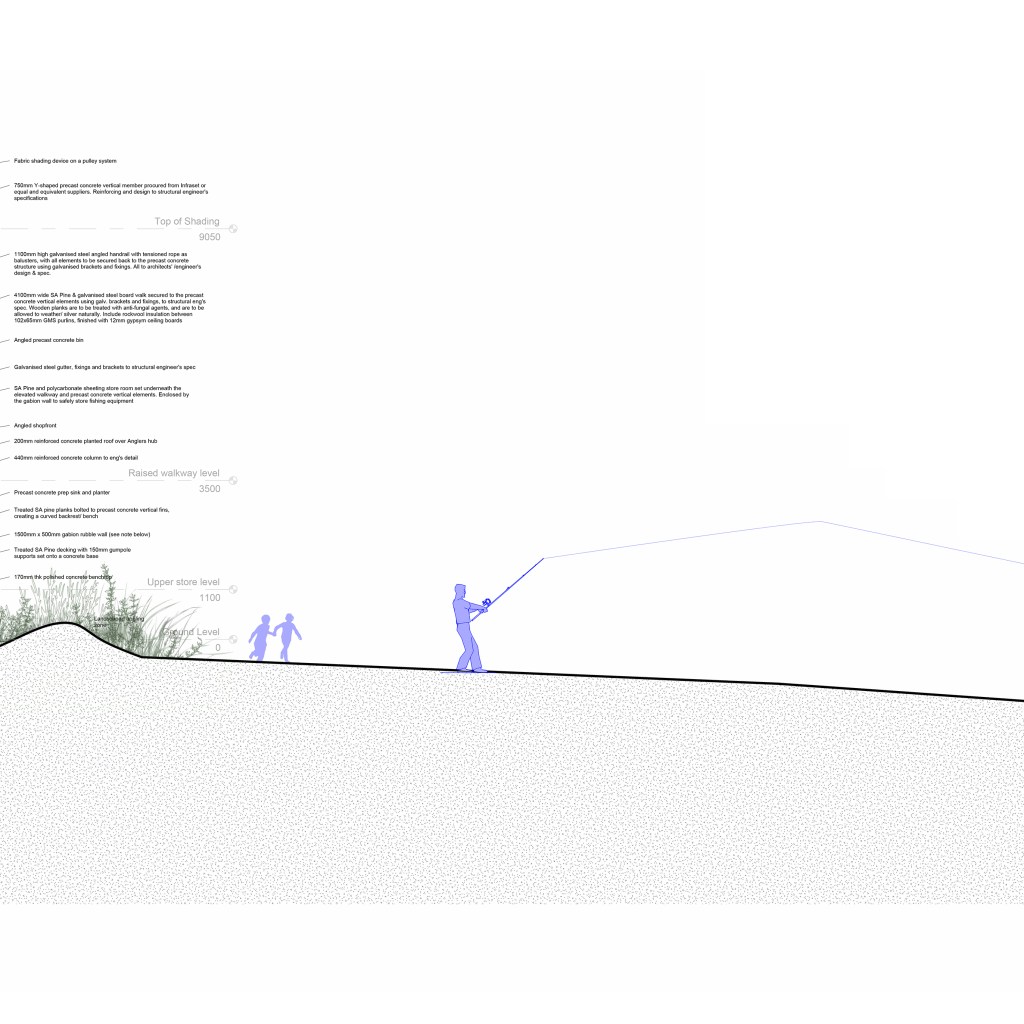
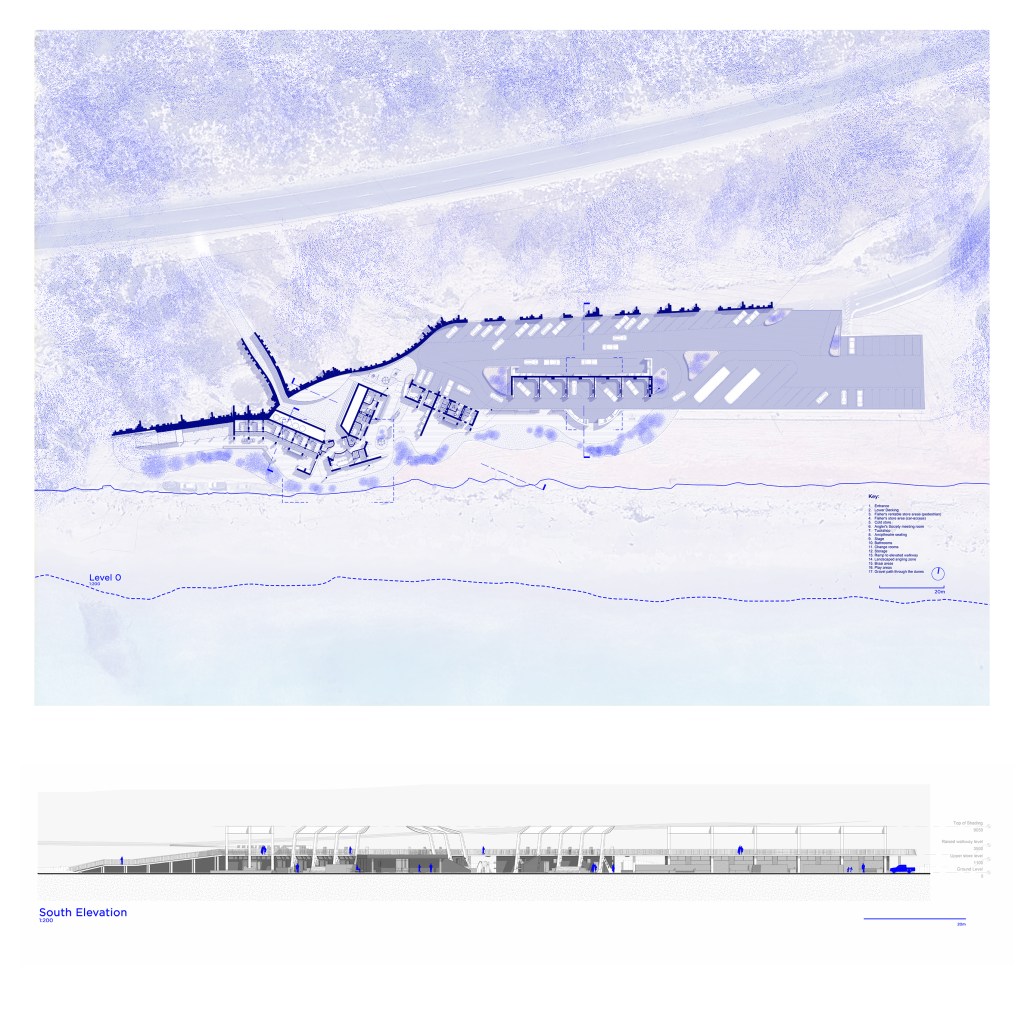
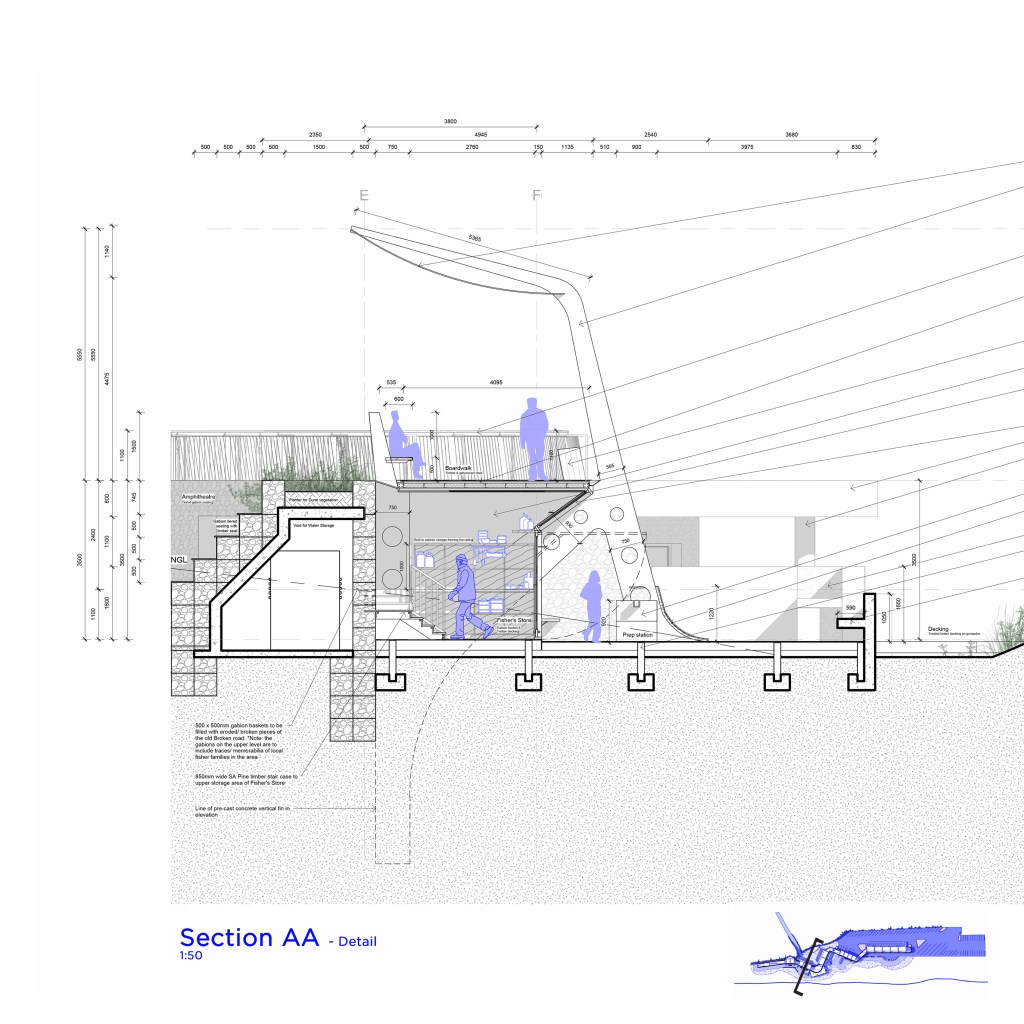
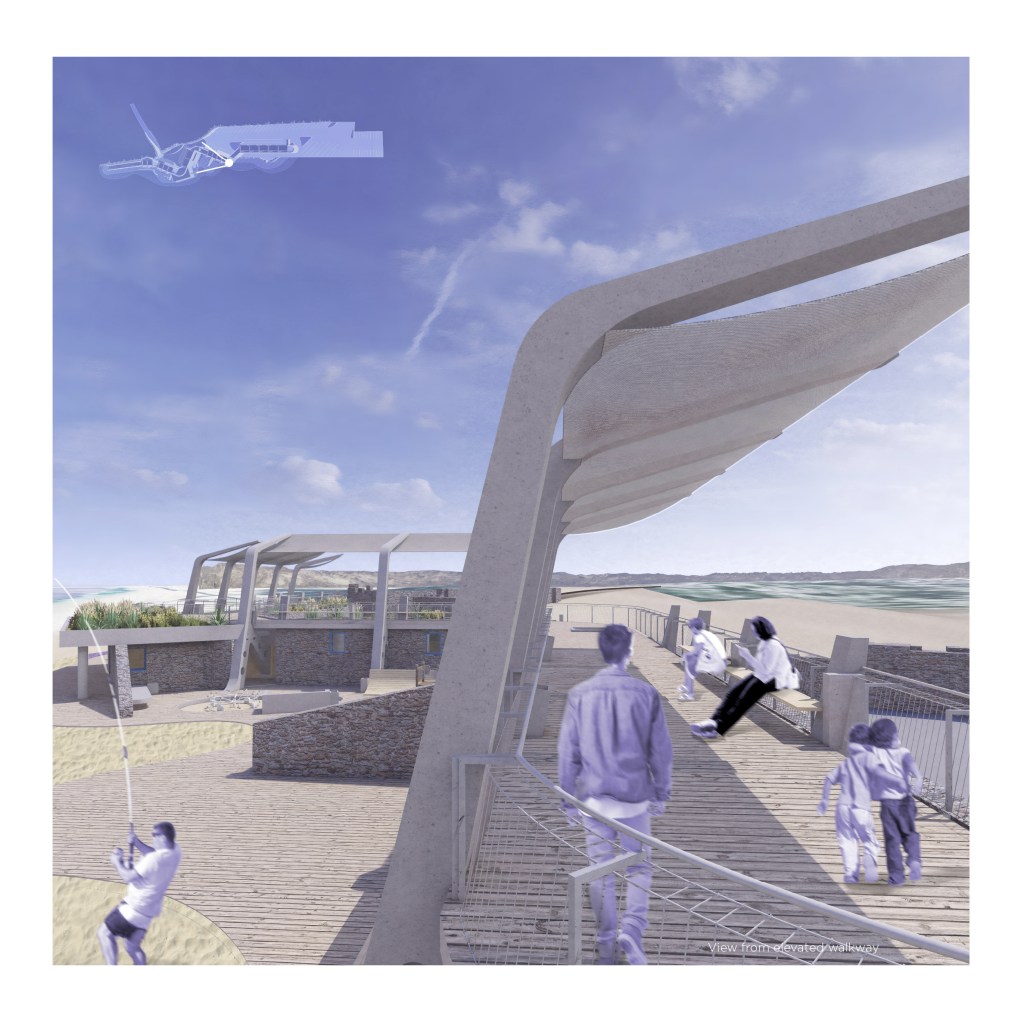
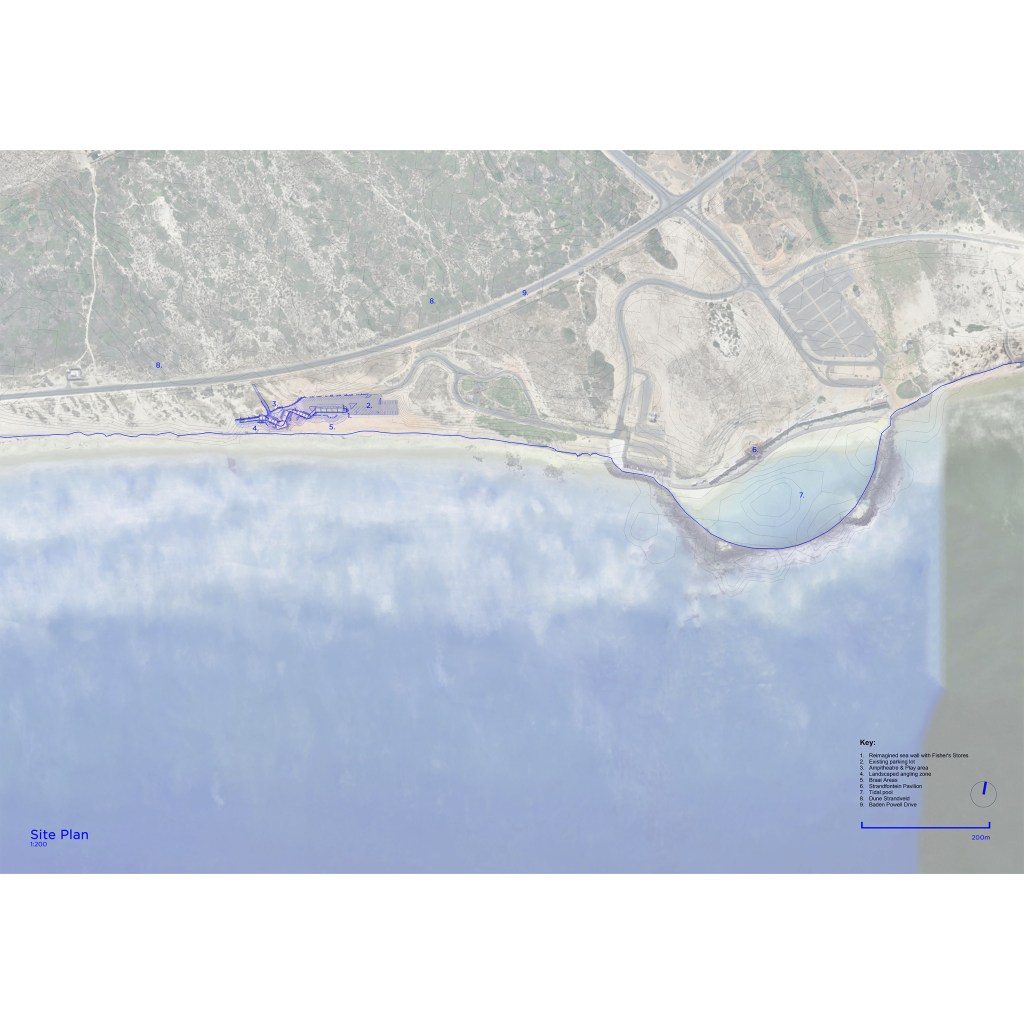
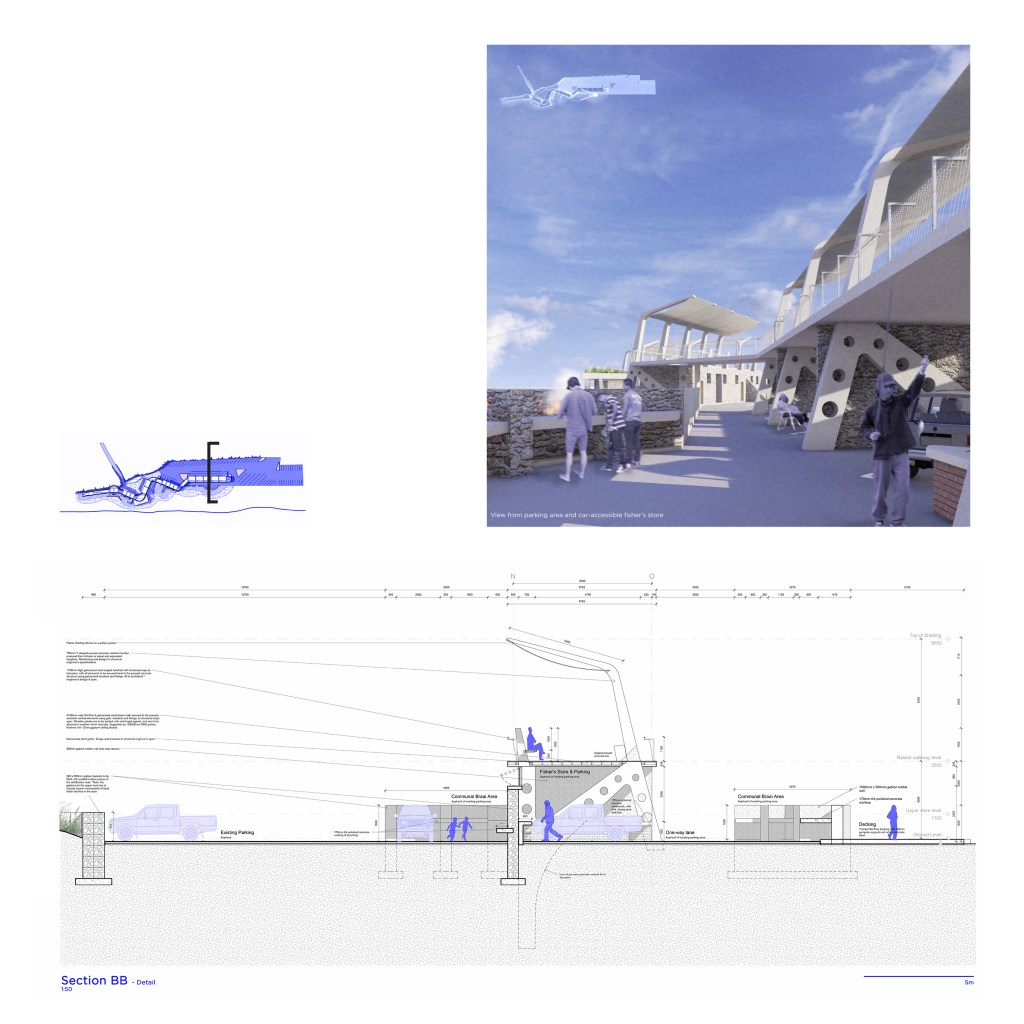
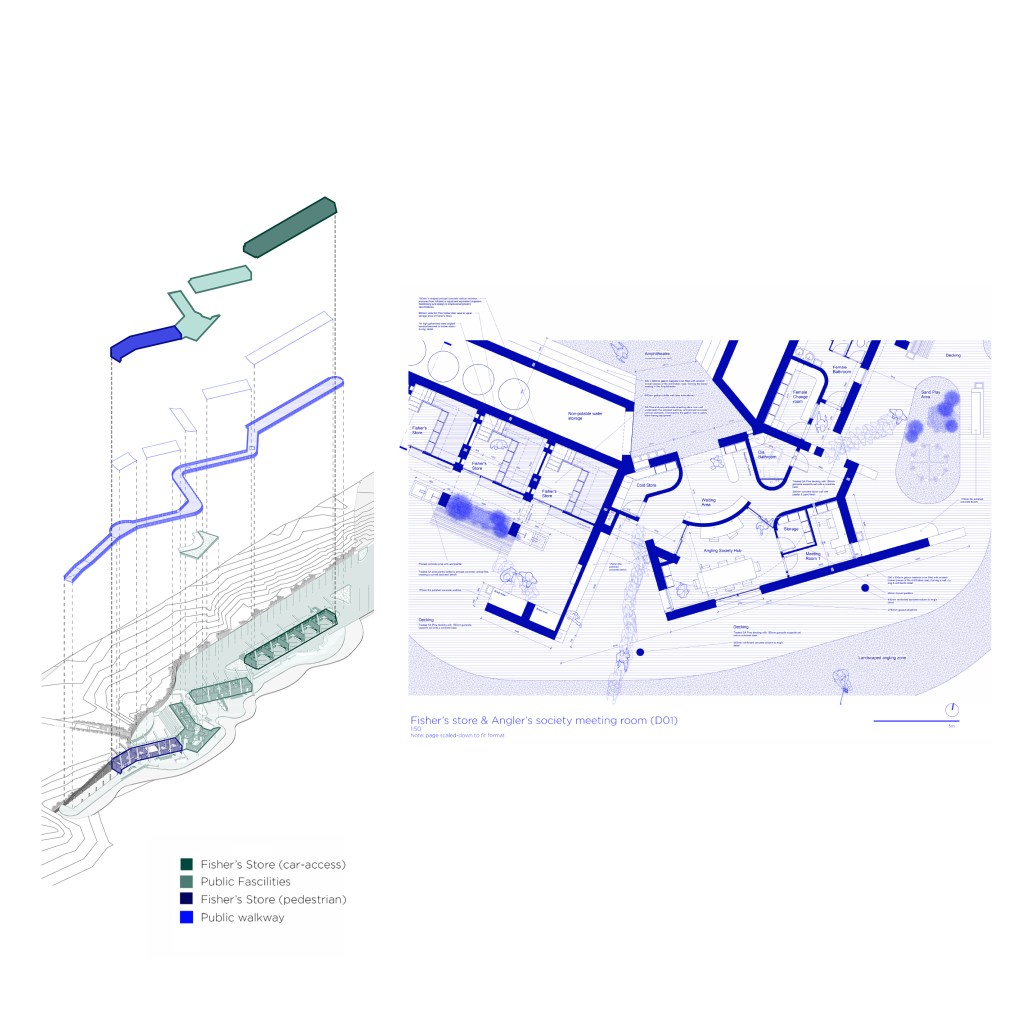
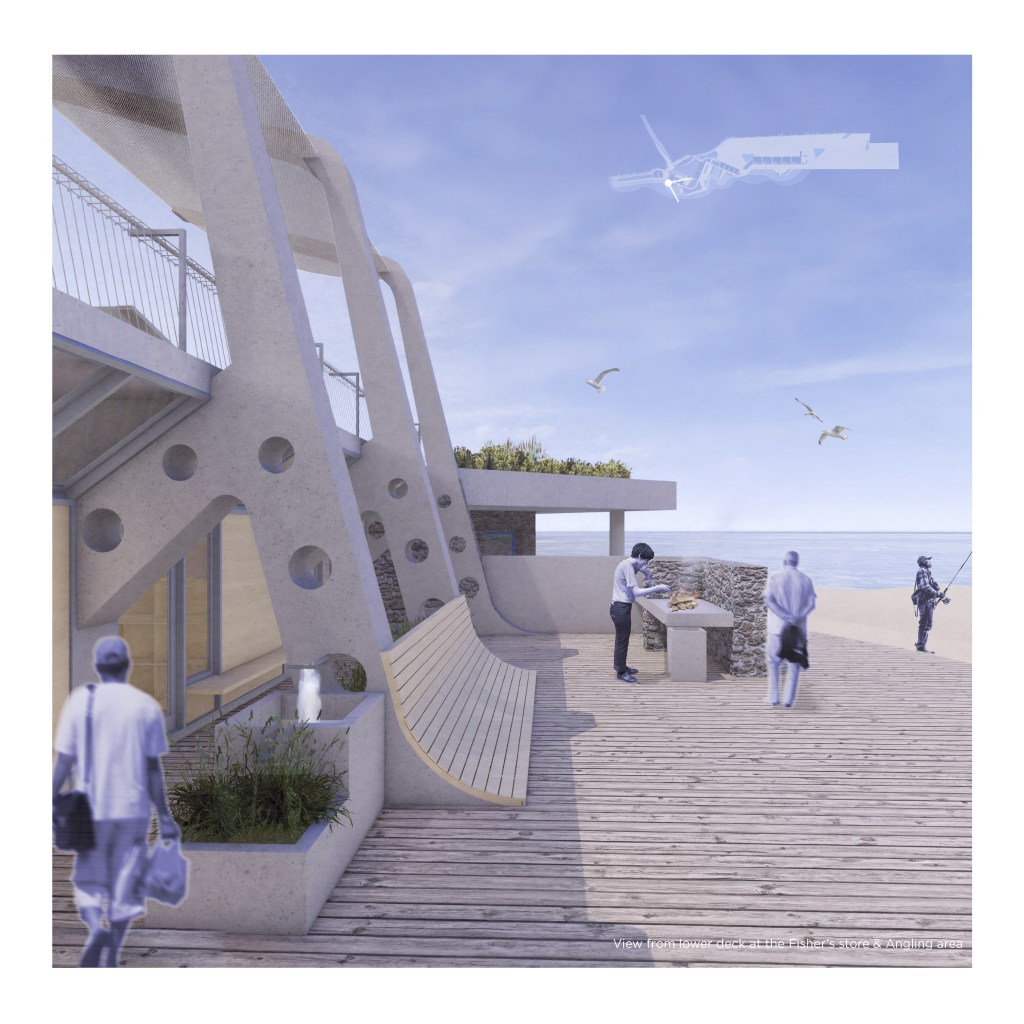
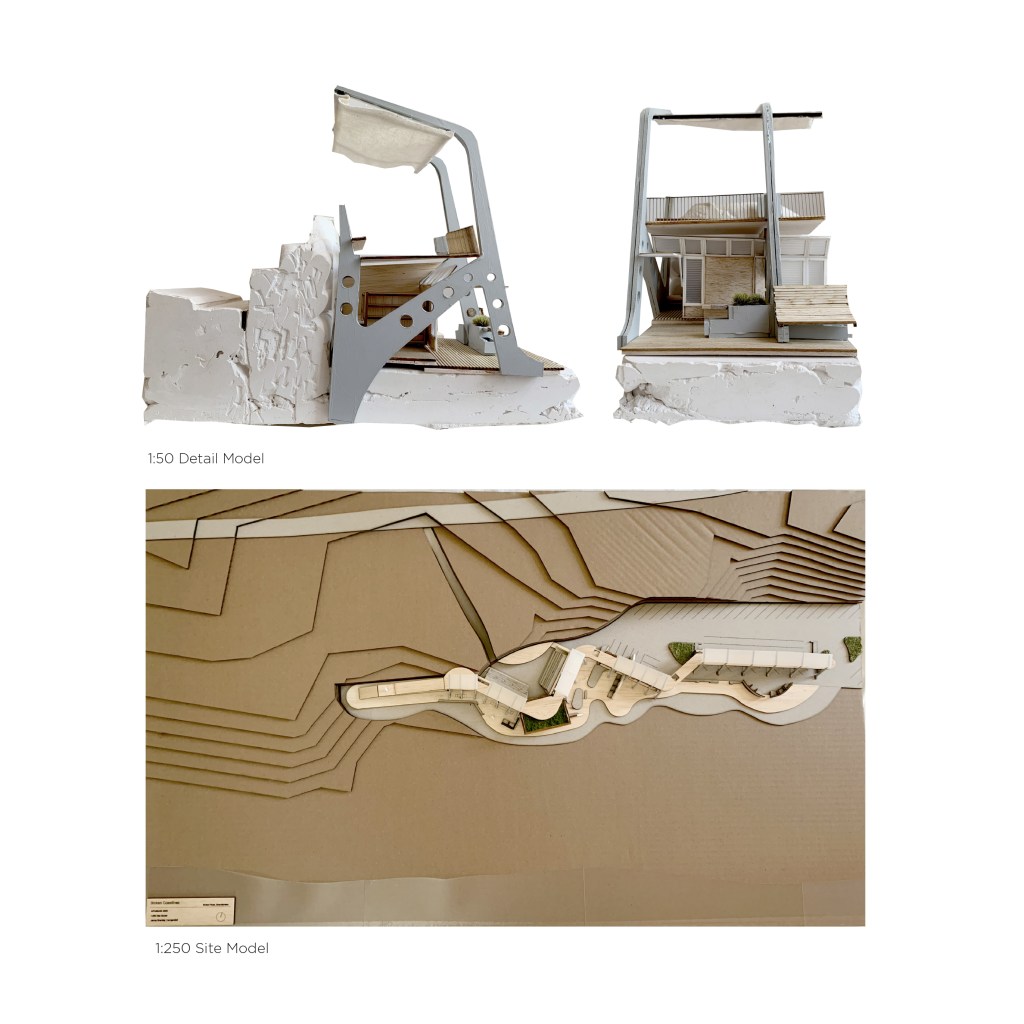
The design responds not by resisting the coast, but by working with it. Human movement is lifted above the fragile dunes through an elevated walkway that follows the natural dune lines. A reimagined, semi-porous seawall curves with the landscape, built from the broken road itself, packed into gabion baskets — what collapsed becomes structure.
The intervention becomes:
- an ecological scaffold
- a social space for recreational fishing
- a living archive
It introduces service points long absent for fisher-people — water, bathrooms, storage, parking, gathering and braai zones — responding directly to existing patterns of use, where fishing already happens from the backs of bakkies.
Rather than erase, the project repairs. Rather than fortify, it listens — allowing the broken to become connective once again.
 repairative architectures