How do governance, policy, and material infrastructures fragment a coastline — and who benefits from those boundaries?
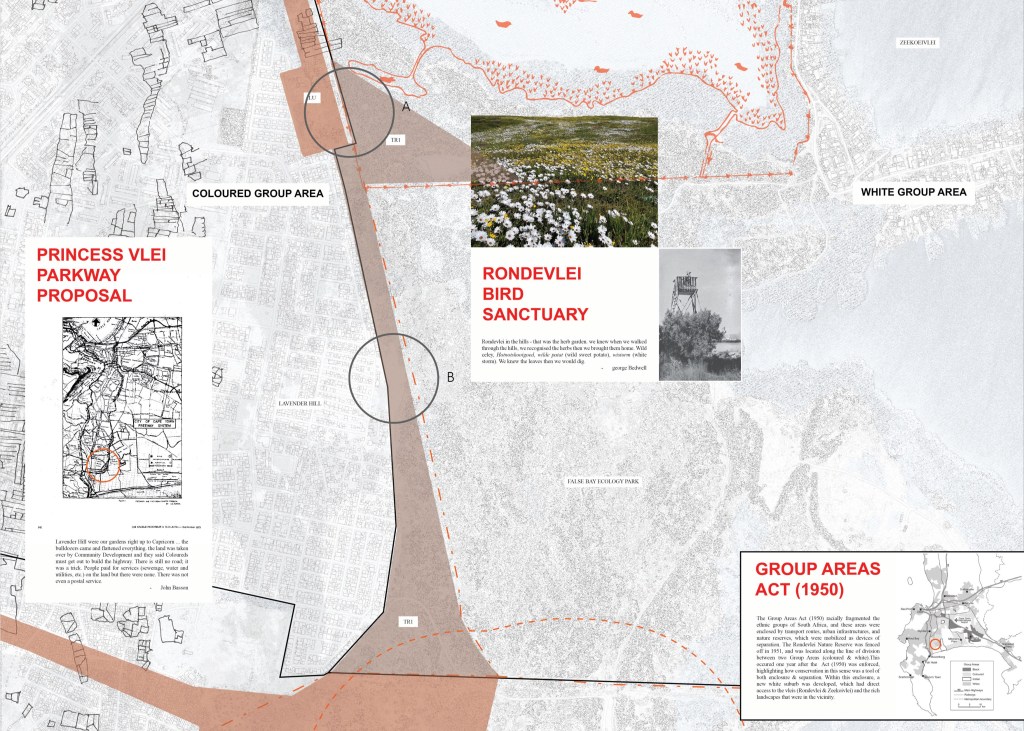
This project investigates the layered exclusions shaping the Cape Flats, Lavender Hill, and False Bay Ecology Park. Legal lines, conservation zones, waste infrastructure, transport corridors, and psychosocial borders intersect here to produce both environmental degradation and spatial injustice — each reinforcing the other.
The core question follows: how can architecture intervene toward repair — and reparation?
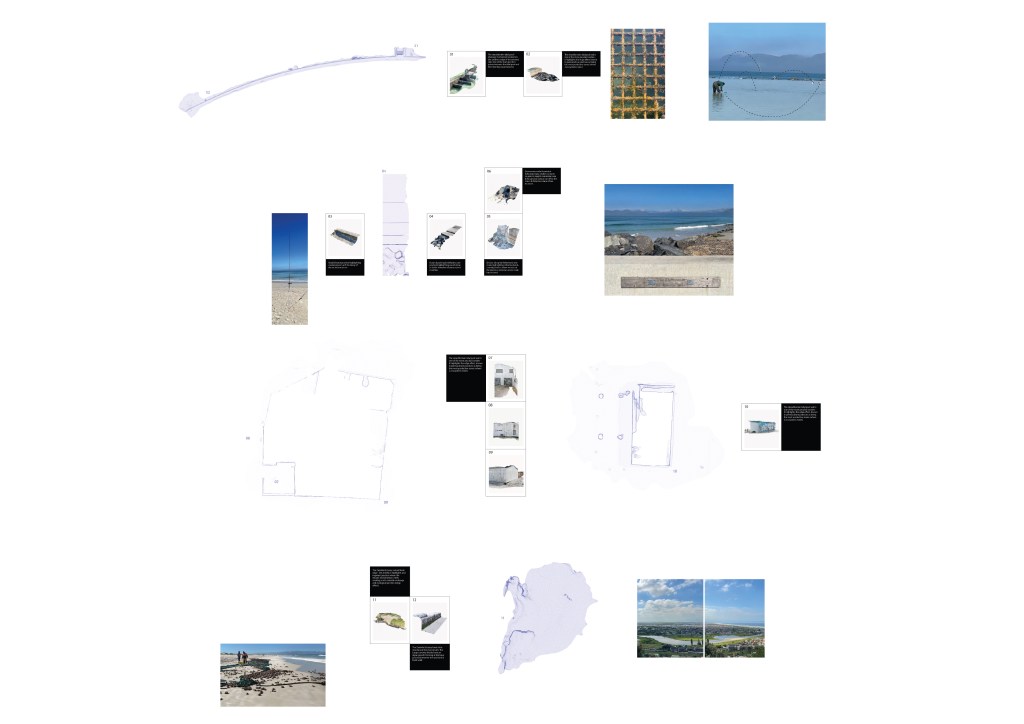
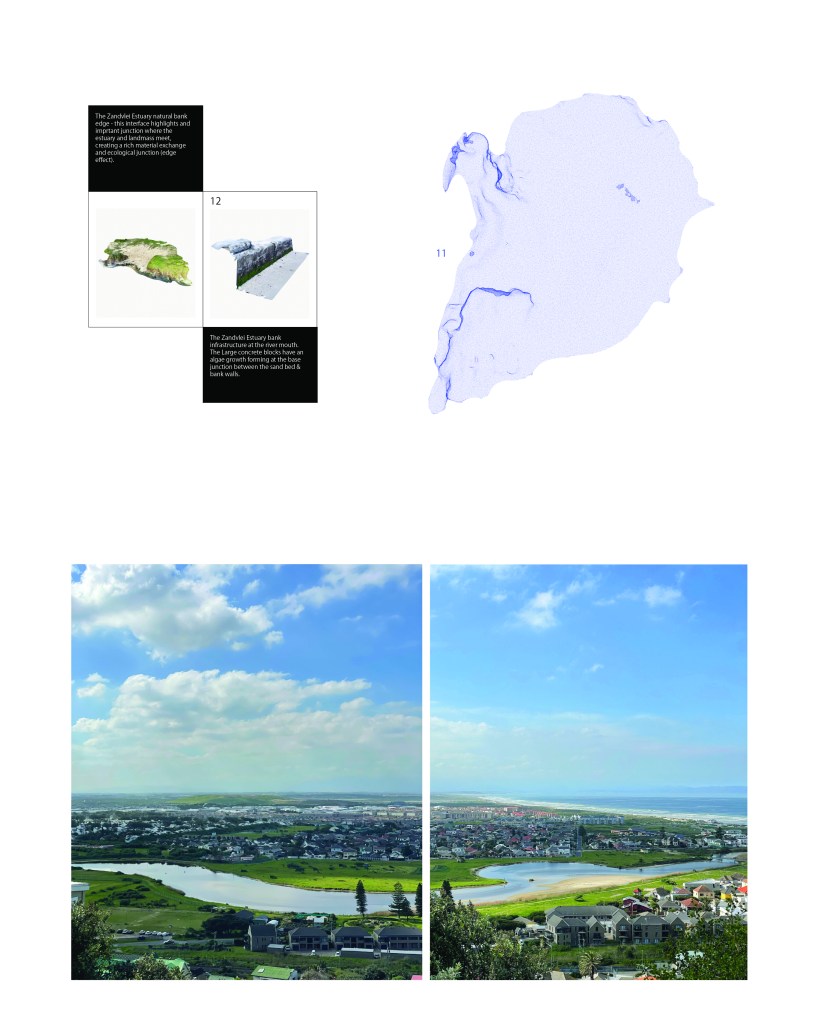
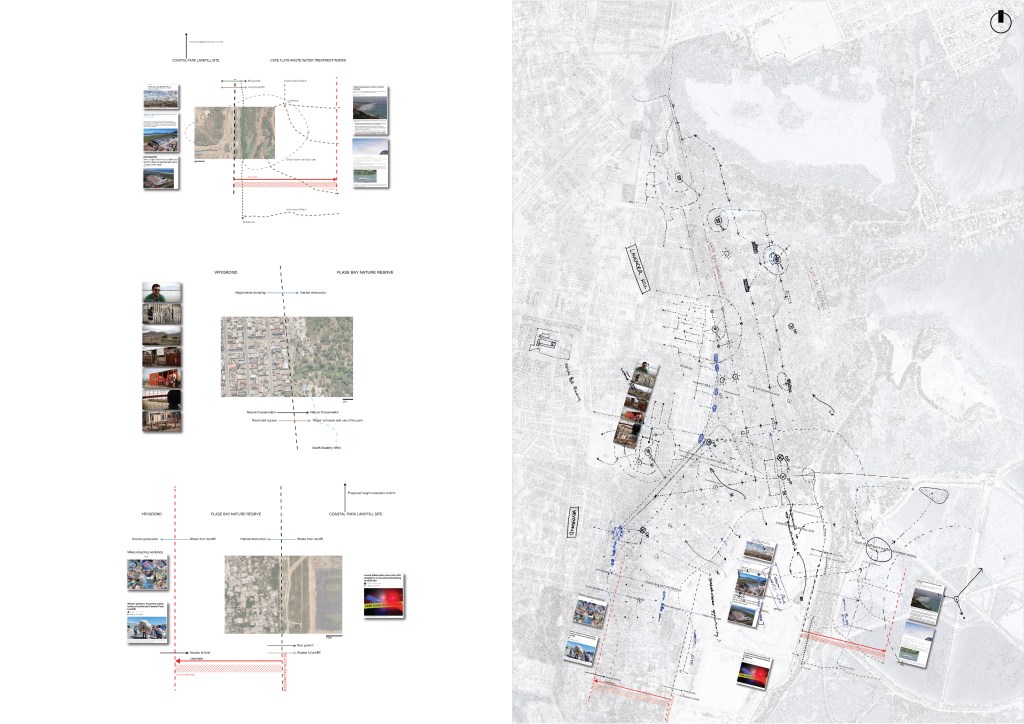
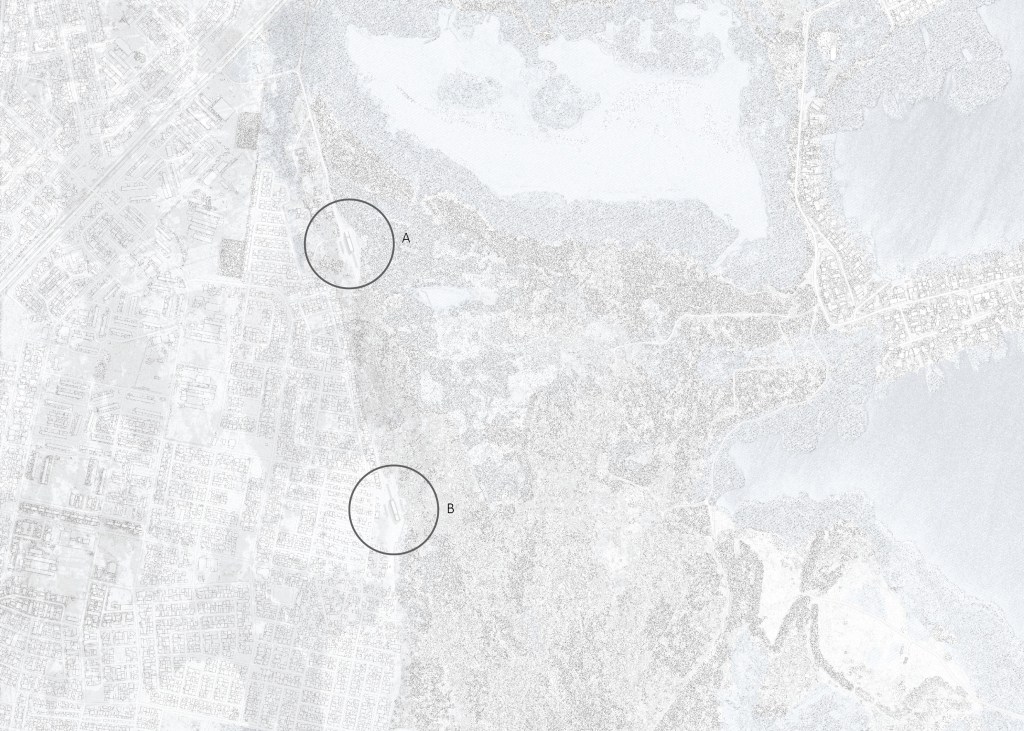
Using spatial forensics, historical analysis, counter-mapping, and field documentation, the project reframes the coastline not as empty land but as an assemblage of vibrant materials, jurisdictions, and contested histories. Mapping revealed how planning systems territorialise space. Archival research exposed forced removals, conservation enclosures, and the deliberate siting of waste infrastructure. On-site “border moments” showed how these boundaries are lived, negotiated, and resisted daily — not as abstractions, but as things people navigate every day.
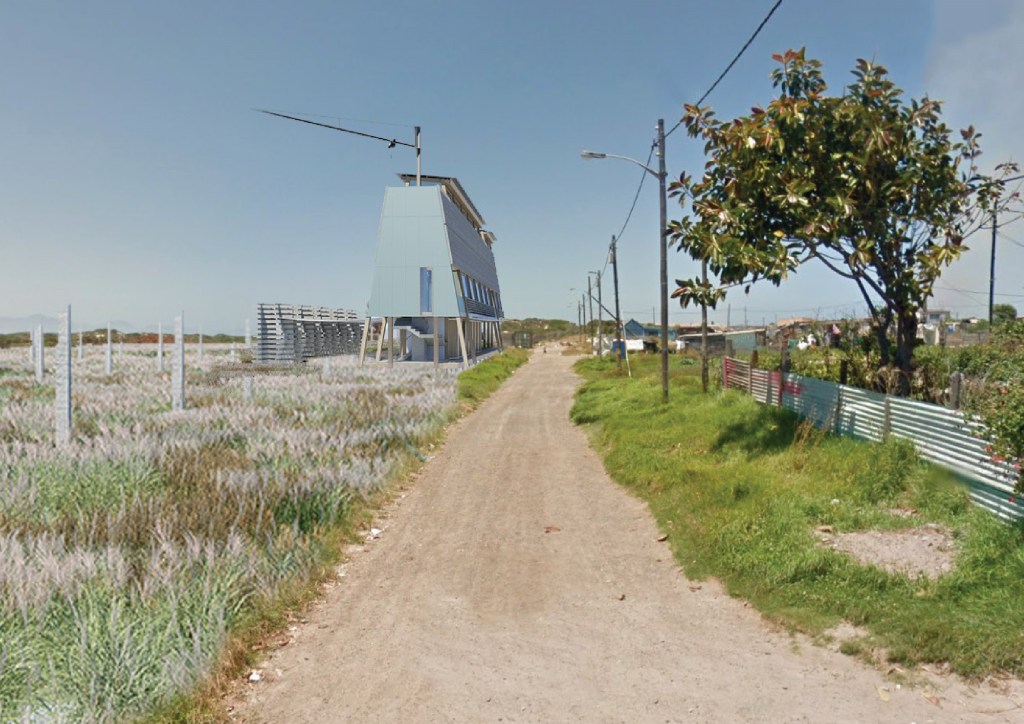
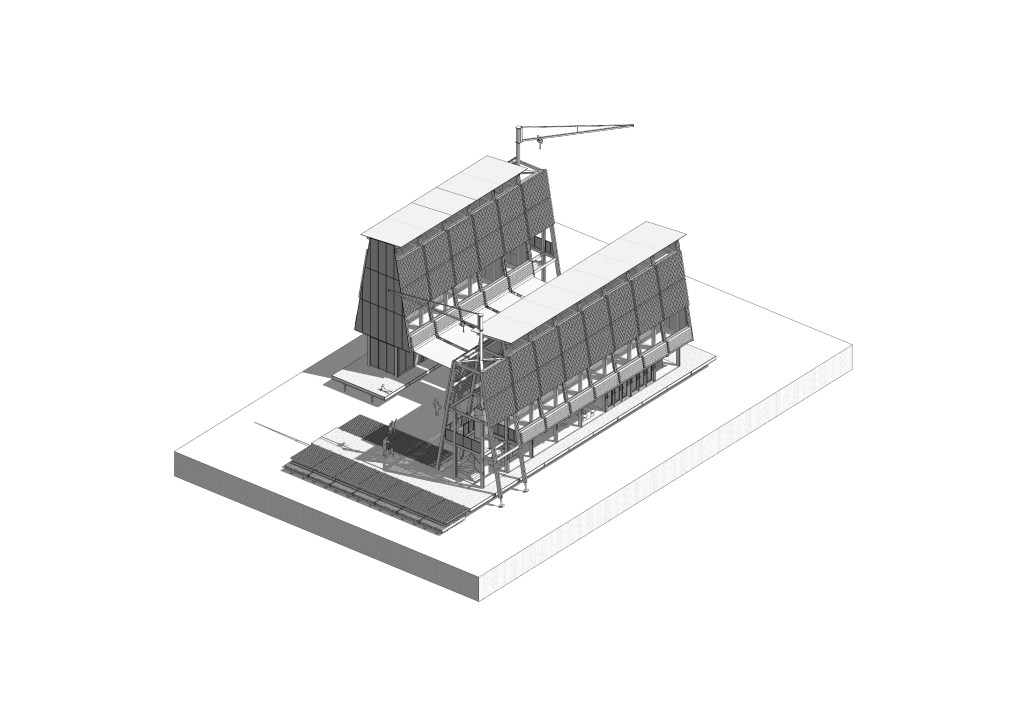
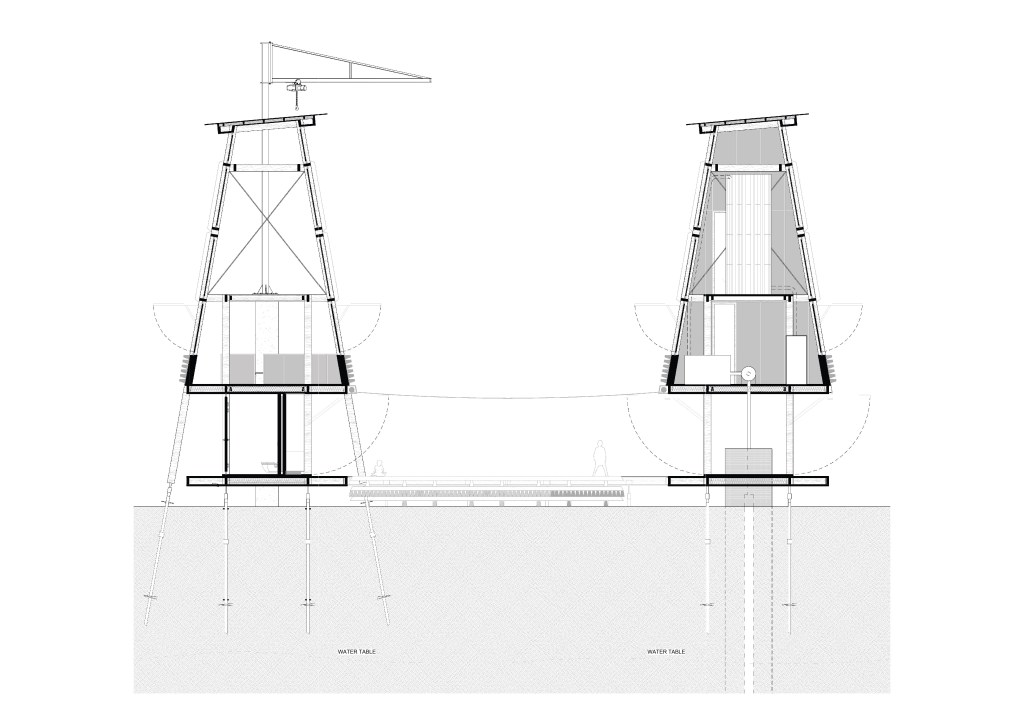
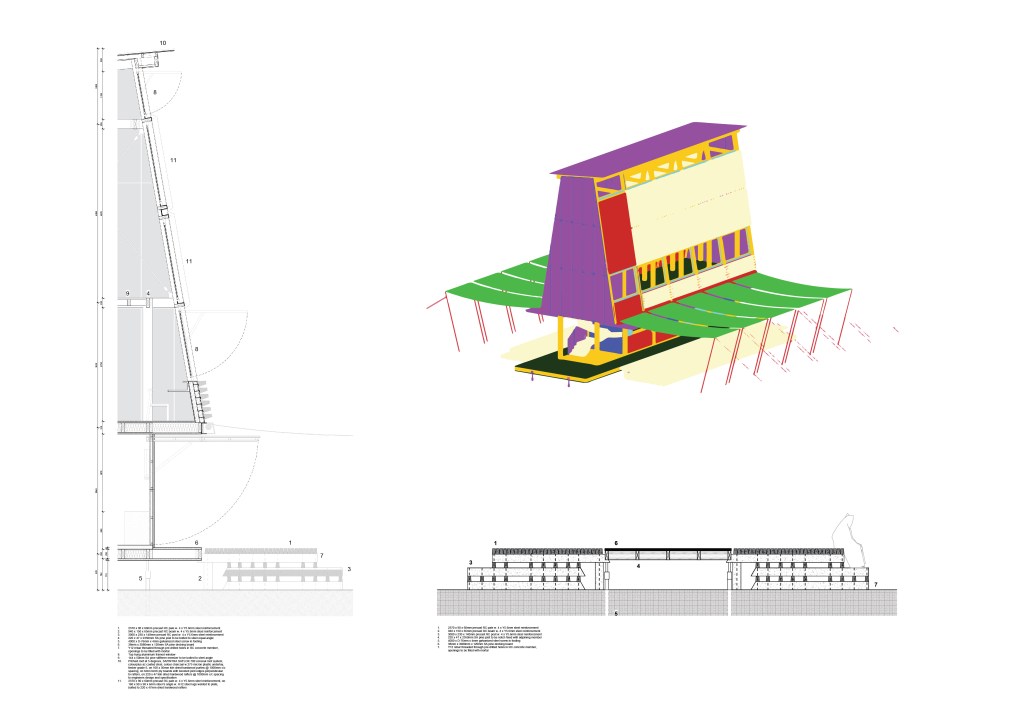
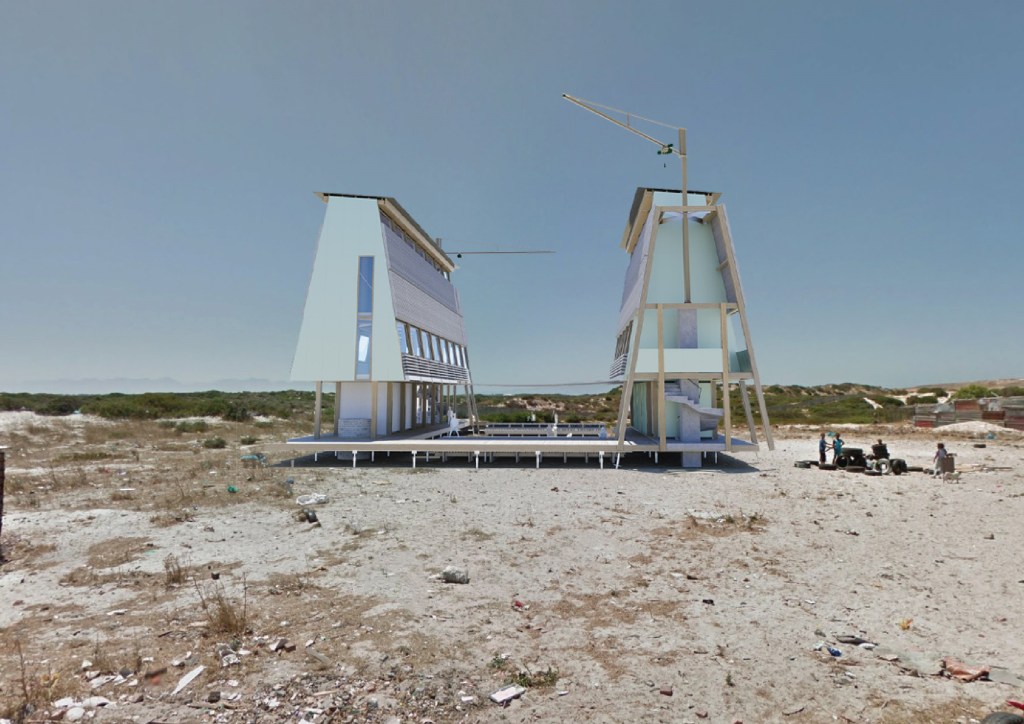
Rather than designing a fixed object, the proposal shifts toward designing process. Two modular, movable civic structures operate as tools rather than monuments — supporting community agency, enabling cross-institutional dialogue, and creating platforms for co-developed land restoration, education, and service provision.
Repair, here, is not a final solution. It is ongoing. Relational. Grounded in Southern urbanisms — an architecture that acknowledges harm, supports community-led decision-making, and transforms boundaries from lines of exclusion into sites of connection.
 repairative architectures