What do we inherit when we inherit fear?
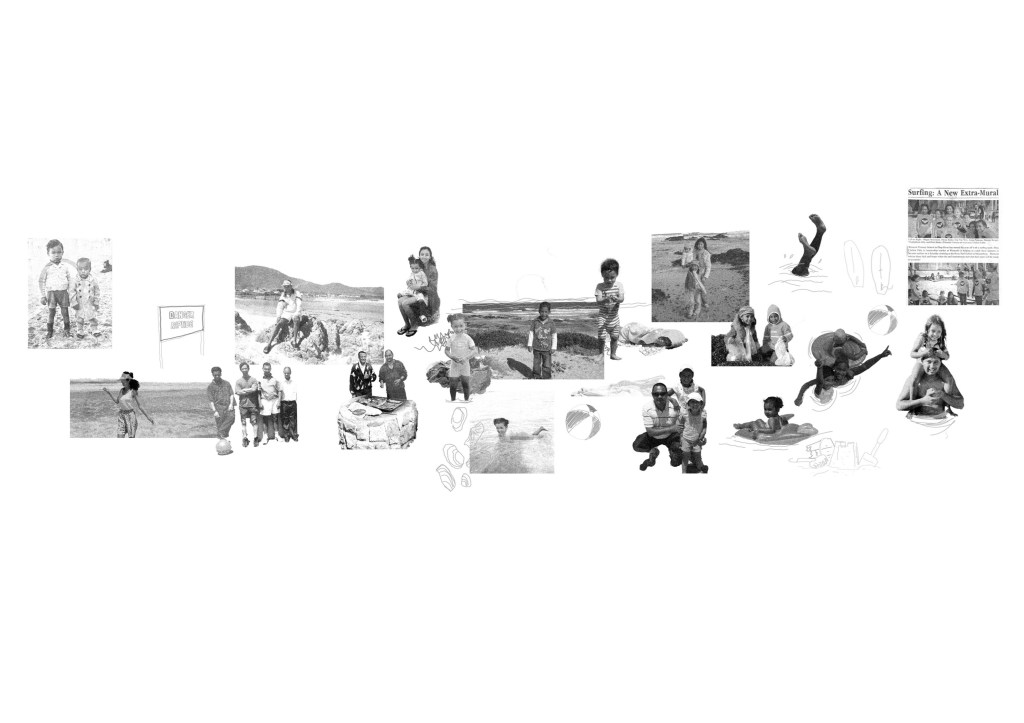
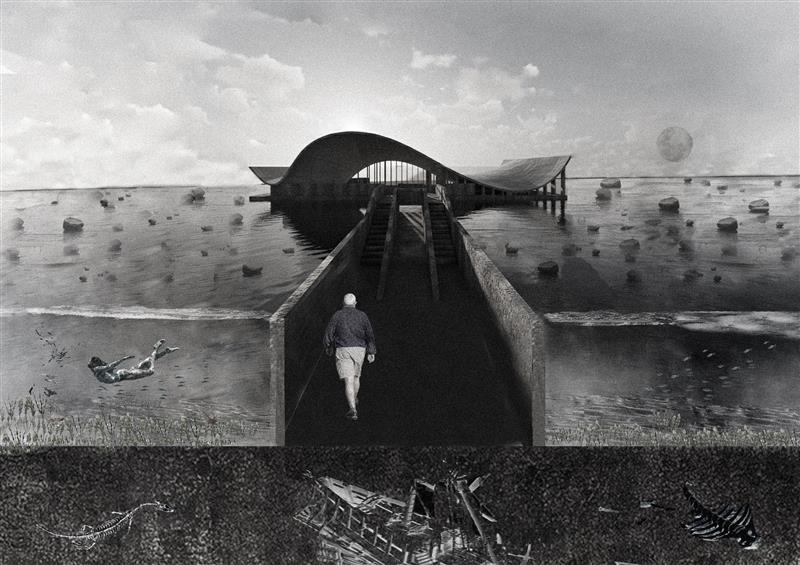
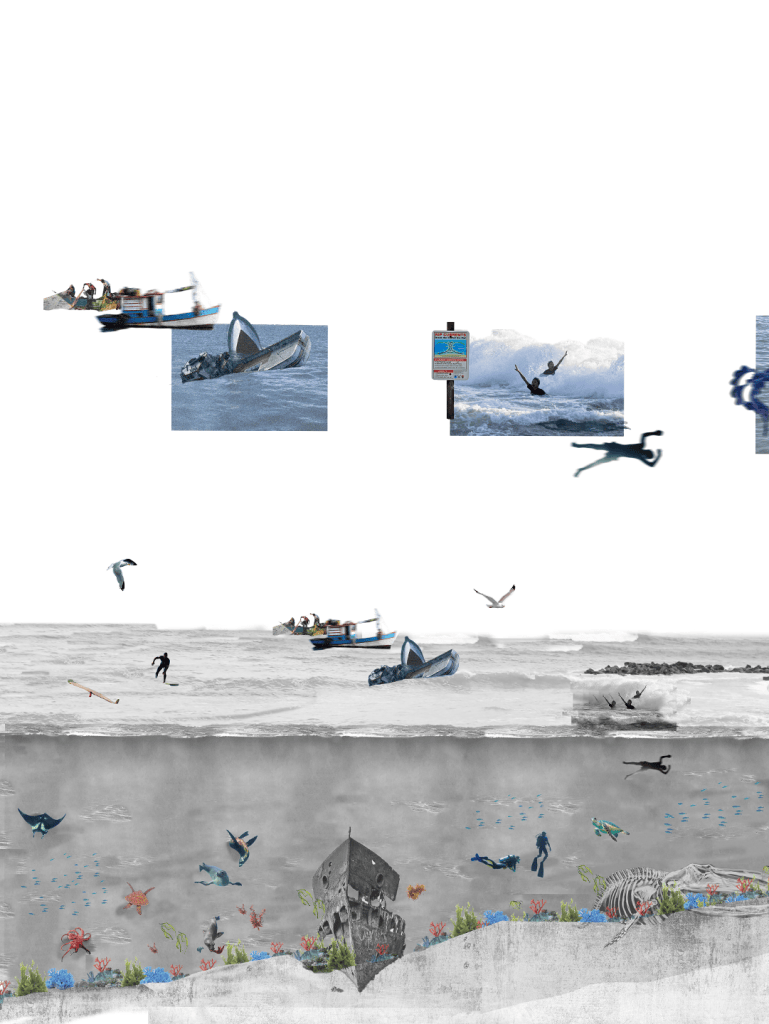
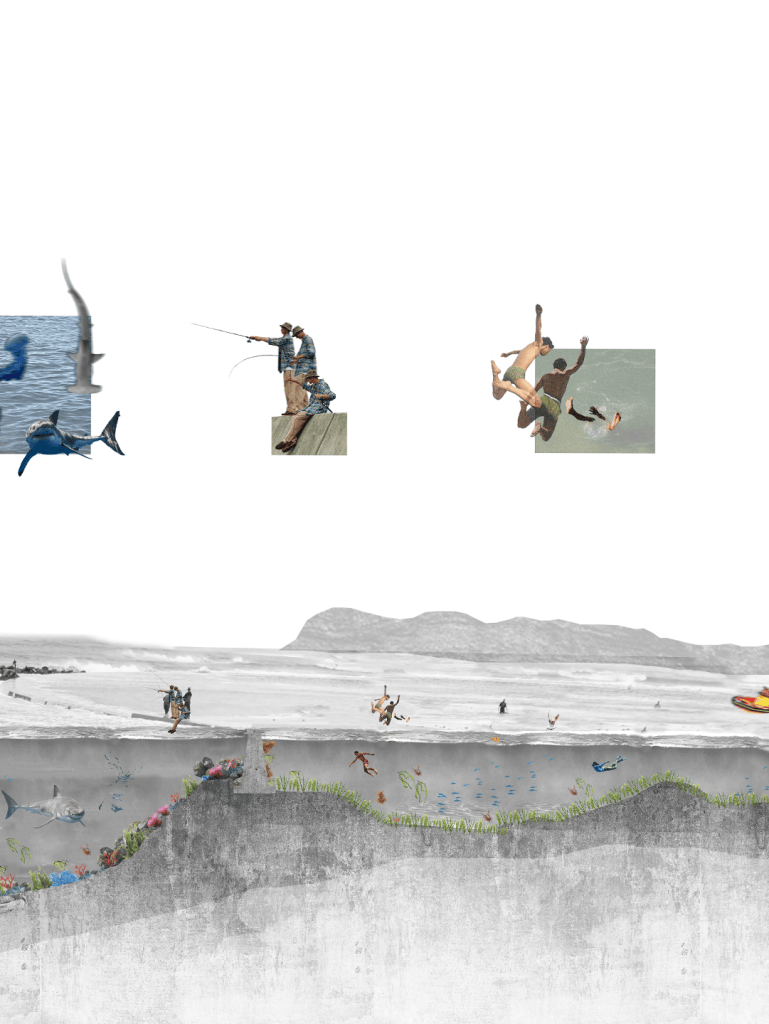
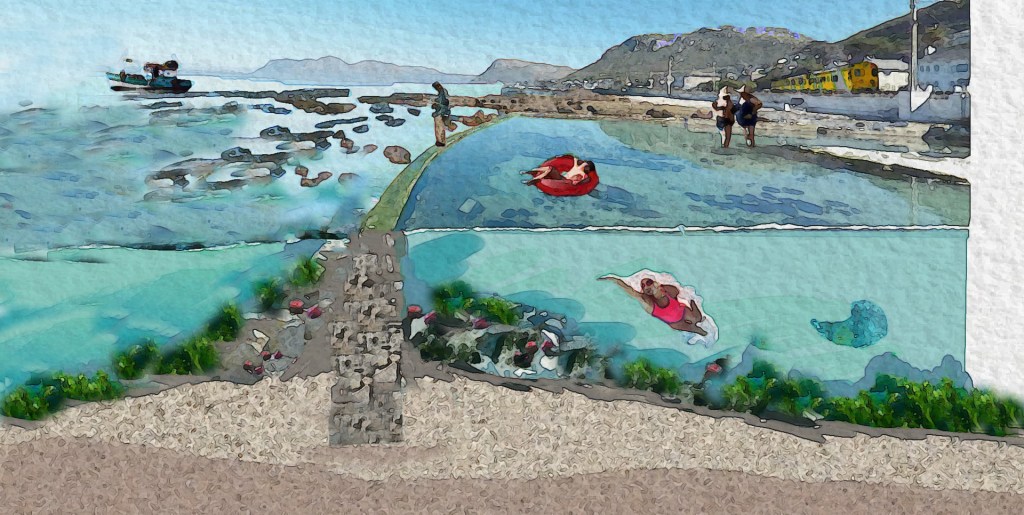
“Don’t go deeper than your knees.” “Make sure I can always see you.” “Keep your floaties on.” These were Megan’s mother’s rules — spoken with care, edged by a trauma she carried after surviving a riptide. For her mother, the ocean meant danger. For Megan, it meant joy. This project lives inside that tension, in the space where delight and fear are asked to coexist rather than cancel each other out.
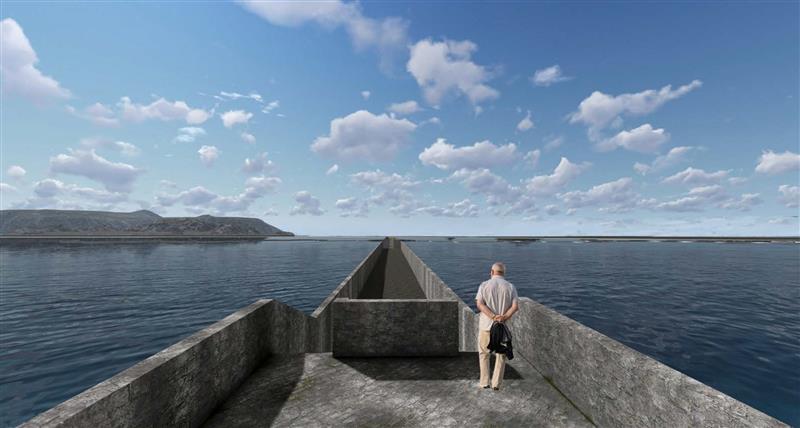
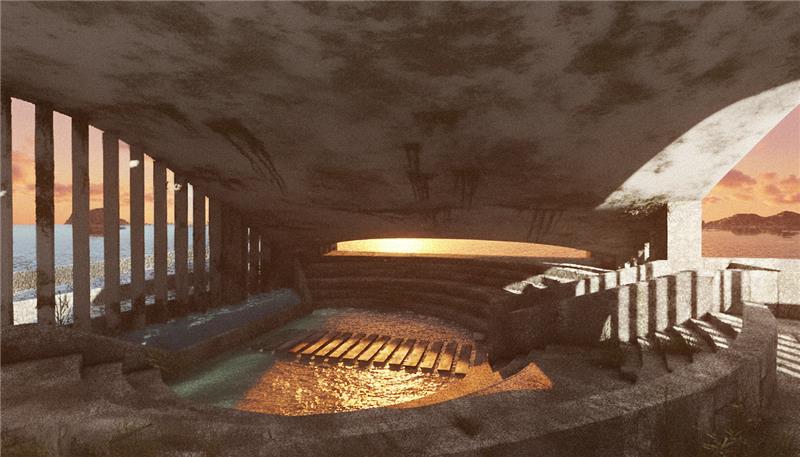
Through embodied research — swimming, sketching, remembering — Megan traces how coastal relationships are shaped as much by memory and intergenerational caution as by the water itself. The tidal pool becomes her working metaphor: a study in ecosystem resilience, where algae, mollusks, fish, and anemones depend on one another to survive. Nothing in the pool holds on its own. Survival here is collective, and fragility, held this way, becomes a form of strength rather than its opposite.
Her responsive 3D anemones translate that logic into form — bending and contracting to sound, absorbing pressure instead of resisting it. A living model, in miniature, of what coastal adaptation actually looks like.
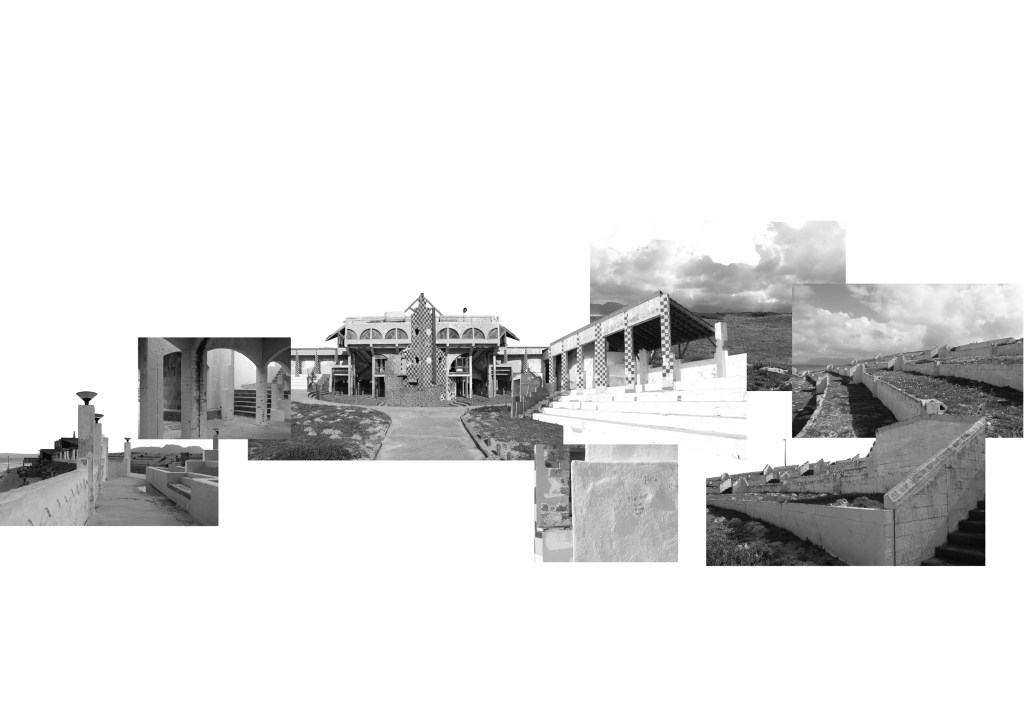
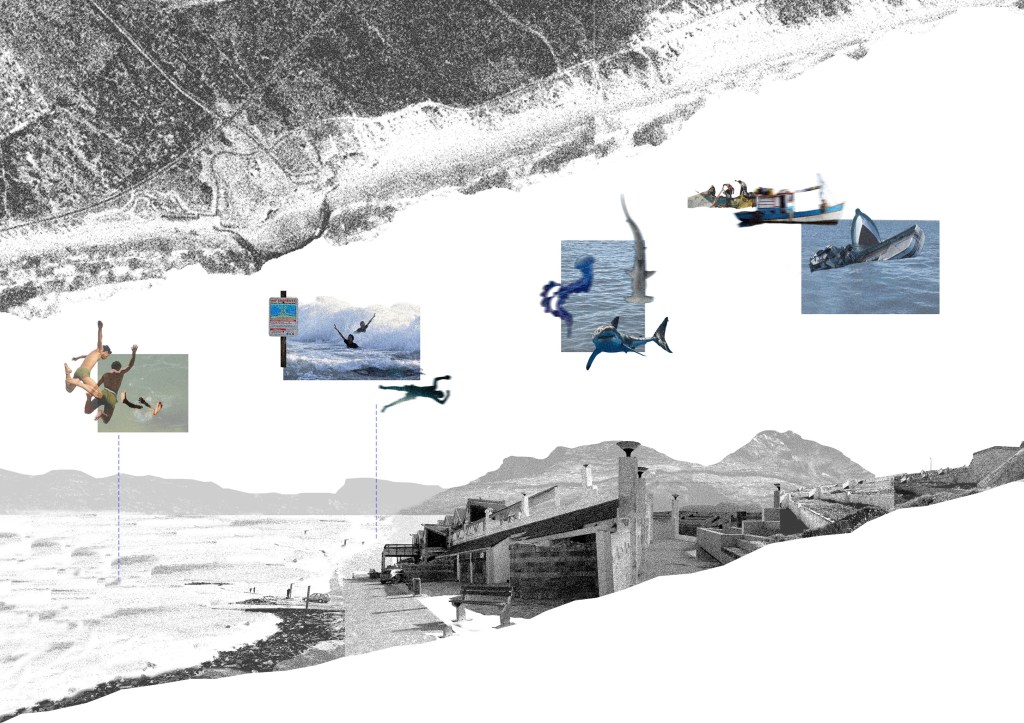
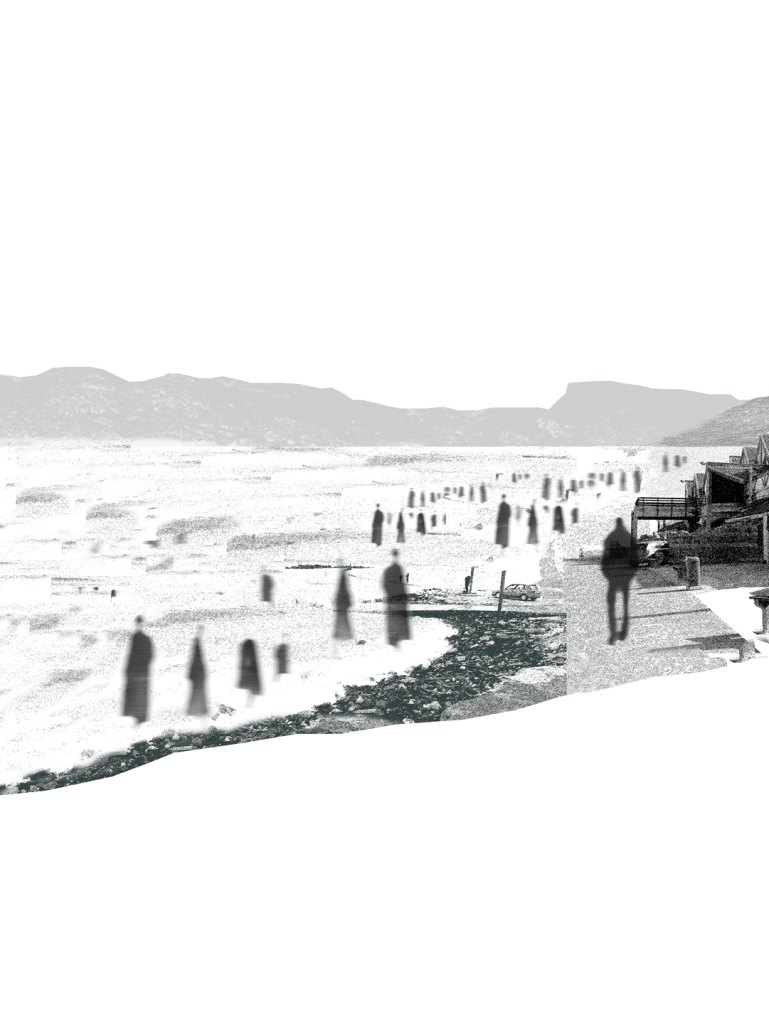
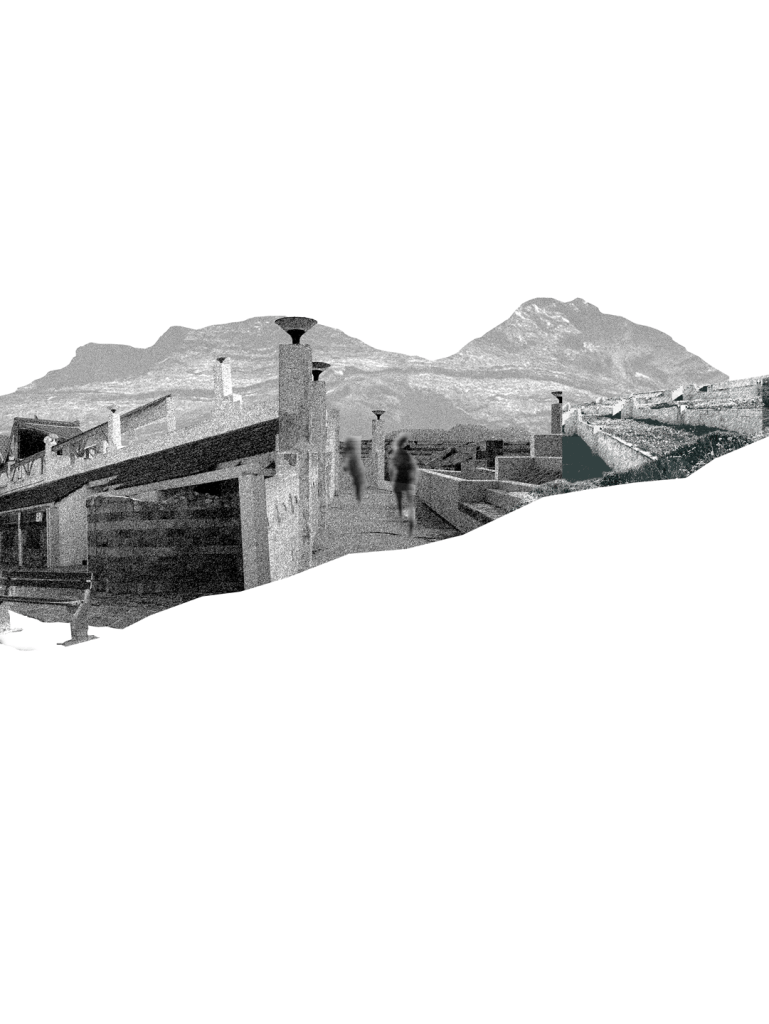
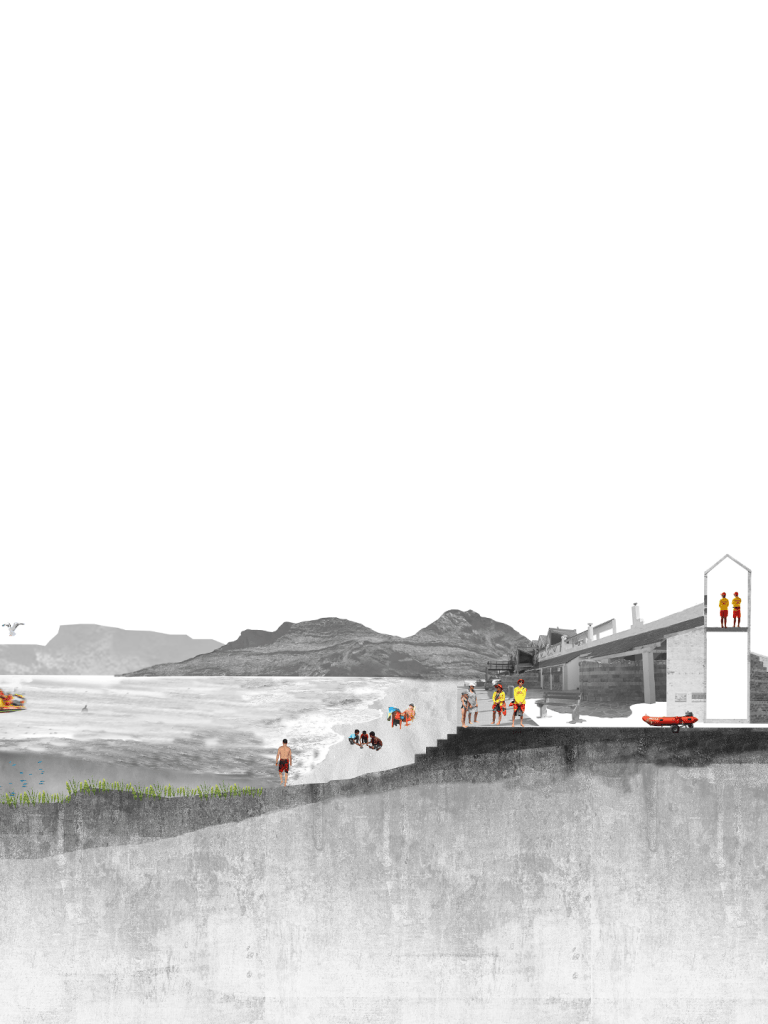
Archival research adds another layer to the tidal pool’s history. “Tidal Pool Is a Death Trap.” “Many Will Drown.” “Make Strandfontein a Safer Beach.” Under apartheid, Strandfontein was designated for “coloured” communities — in part because it was considered unsafe. Drownings were frequent. What settled into the place was more than policy; it became trauma, embedded in the site and passed down through families as instinct, as rules spoken at the water’s edge.
Ocean Memory asks how we design with inherited fear — how we acknowledge the uneven histories of safety that different communities carry along the same coastline, even when they’re standing in the same water.
Repair, here, is not erasure. It is recognition.

 repairative architectures